

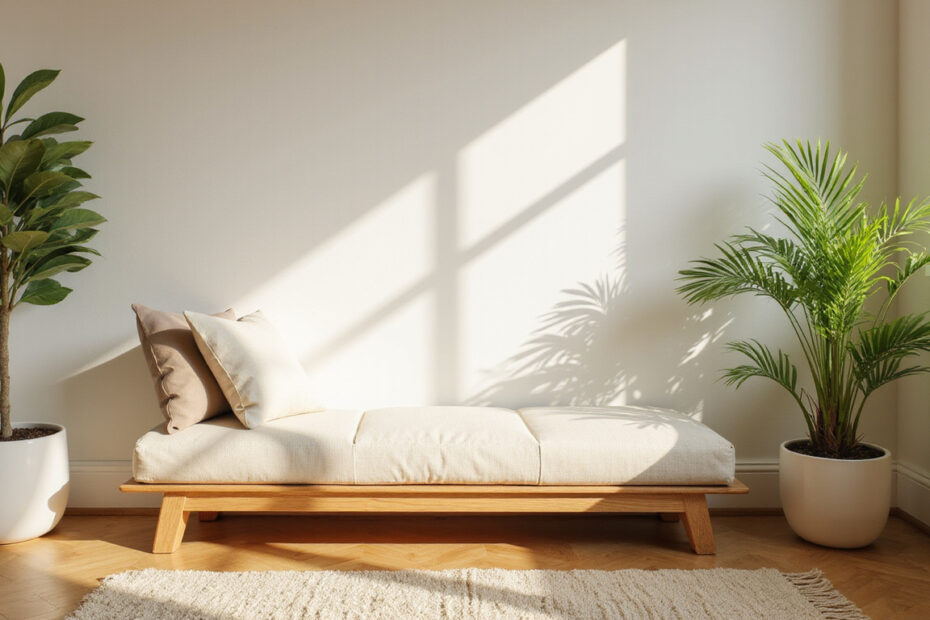
Your home can be more than a place to sleep and store your stuff—it can be an inner sanctuary that restores your energy and calms your mind. Yet many of us live in spaces overflowing with objects, visual noise, and half-finished projects. The good news: you don’t need a bigger house, expensive décor, or a total renovation to create a peaceful home retreat. You just need clarity, intention, and a few practical steps.
This guide walks you through how to transform any home—studio apartment, shared house, or family home—into a calm, clutter-light refuge that supports your well‑being.
Why Your Inner Sanctuary Starts at Home
Your environment constantly feeds your nervous system. Research shows that excess visual stimuli—like cluttered surfaces and crowded rooms—compete for your attention, increasing stress and reducing focus (source: Princeton Neuroscience Institute). When your home is chaotic, it’s harder for your mind to be still.
A home that functions as an inner sanctuary offers:
- Lower stress and anxiety – Fewer visual distractions, more soothing cues.
- Better sleep – A calm, orderly bedroom supports rest.
- Emotional regulation – A peaceful space becomes a buffer from external pressures.
- More intentional living – You’re reminded daily of what truly matters.
Creating this doesn’t mean striving for perfection or minimalism for its own sake. It means designing a space that genuinely supports how you want to feel.
Step 1: Define What “Inner Sanctuary” Means to You
Before you touch a single drawer, get clear on the feeling you’re aiming for. A true inner sanctuary is personal.
Ask yourself:
- When do I feel most at peace?
- What does that moment look, sound, and smell like?
- Which activities restore me: reading, stretching, journaling, prayer, meditation, art, music?
Write down 3–5 words that describe your ideal home atmosphere, for example:
- Soft
- Spacious
- Warm
- Airy
- Grounded
- Sacred
- Joyful
Keep these words nearby as you work. Every decision—what to keep, how to arrange, what to add—should answer: “Does this support the feeling of my inner sanctuary?”
Step 2: Start With One Small Zone, Not the Whole House
Overhauling your entire home at once is overwhelming. Instead, choose one sanctuary zone as a starting point:
- A corner of your living room
- One side of your bedroom
- A nook by a window
- A chair with a small table and lamp
This is your first dedicated inner sanctuary area—a tiny retreat within the larger home. Once you see and feel the difference here, you’ll be more motivated to expand the calm elsewhere.
Choose a space that:
- You can clear and refresh in 1–2 hours.
- You can easily access daily.
- Has at least a chair, floor space, or a comfortable spot to sit or lie down.
Step 3: Clear Visual Noise (Without Becoming a Minimalist)
Clutter is less about the number of things and more about whether your space feels crowded and visually “loud.” To create a sanctuary, you want your eyes to be able to rest.
In your chosen zone:
- Remove everything from surfaces (tables, shelves, floor).
- Sort items into three quick categories:
- Keep right here – essential or deeply loved.
- Keep elsewhere – belongs in another room or storage.
- Let go – donate, recycle, or discard.
- Wipe surfaces and do a light clean. Dust and crumbs undermine the feeling of a sanctuary.
- Put back only what supports your chosen words (soft, spacious, etc.).
Aim for more empty space than objects. If it feels slightly bare, you’re probably closer to sanctuary than if it feels “just right.” Your nervous system benefits from a little extra openness.
Step 4: Choose a Simple Sanctuary Layout
Design your sanctuary zone around a single primary function: rest and restoration. That could mean reading, meditating, stretching, napping, or simply breathing and thinking.
Some simple layout ideas:
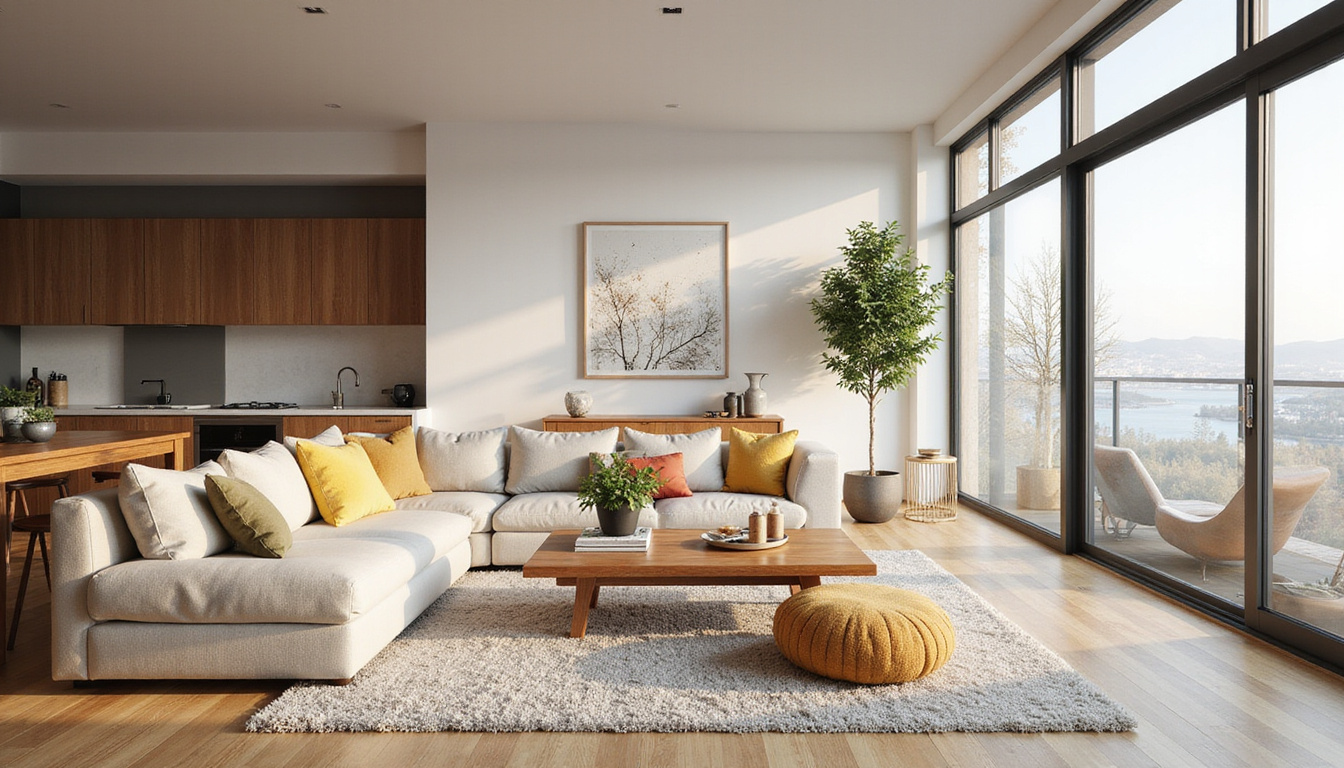
-
Reading/Reflection Chair
- Comfortable chair or floor cushion
- Small side table
- Soft lamp or candle
- Blanket within reach
-
Meditation / Quiet Corner
- Floor cushion or yoga mat
- Low stool or bench (optional)
- Minimal altar or meaningful objects
- Simple, uncluttered wall or view
-
Stretch / Gentle Movement Nook
- Clear floor area
- Yoga mat rolled nearby
- Basket with blocks or strap if you use them
- Neutral, calming wall color or art
Keep furniture lines simple and avoid blocking windows or creating visual obstacles. Your inner sanctuary should invite free movement and easy breathing.
Step 5: Use the Five Senses to Shape Calm
A true inner sanctuary engages all your senses in subtle, supportive ways. Ask: “What would soothe me here?” Then make small, low-cost adjustments.
Sight
- Keep color palette soft or cohesive—neutrals with 1–2 accent colors.
- Choose one or two pieces of art you genuinely love; avoid busy gallery walls in this zone.
- Leave empty wall space to act as a visual rest area.
- Hide cables and cords where possible.
Sound
- Add a small speaker for gentle music, nature sounds, or guided meditations.
- Consider a white-noise machine if you share walls or live in a noisy area.
- Use soft furnishings (rug, curtains, cushions) to absorb harsh echoes.
Smell
- Use one primary scent for your sanctuary area: a candle, essential oil diffuser, or incense.
- Choose grounding scents (cedar, sandalwood), calming scents (lavender, chamomile), or clean scents (citrus, eucalyptus).
- Keep it subtle—overpowering fragrance can be as stressful as clutter.
Touch
- Add a soft throw, textured cushion, or small rug underfoot.
- Prioritize natural materials where possible: cotton, linen, wool, wood, stone.
- Remove scratchy blankets, uncomfortable cushions, or sticky surfaces from this zone.
Light
- Make the most of natural light: clear windowsills, open blinds, use sheer curtains.
- For evening, use warm, soft lighting: floor or table lamps, string lights, or candles.
- Avoid bright overhead lights; switch to lower-watt bulbs or dimmers if you can.
Step 6: Keep Decor Meaningful, Not Excessive
An inner sanctuary is not about having no items—it’s about having the right items. Each visible object should either:
- Serve a clear purpose (lamp, chair, blanket), or
- Carry genuine emotional or spiritual significance.
You might include:
- One favorite plant
- A photograph that evokes peace, not nostalgia or sadness
- A quote or affirmation framed on the wall
- A simple altar or small collection of sacred objects (stones, symbols, candles)
- A single stack of current reading, not your entire library
Avoid turning your sanctuary into a display shelf. If you love many meaningful items, rotate them over time instead of showing all at once.
Step 7: Create Micro-Habits to Maintain Your Inner Sanctuary
A clutter-free sanctuary will not maintain itself. The key is to build tiny, repeatable habits that protect the space with minimal effort. Consider:
- One-minute reset – Before leaving the area, return items (blanket folded, book stacked, mug removed).
- Evening clear-down – 5 minutes to tidy your sanctuary zone before bed.
- Weekly refresh – Dust, water plants, and check if anything has drifted in that doesn’t belong.
You can also establish a simple rule for this zone:
“Only items that support rest, reflection, or healing live here.”
When something new enters the space, ask if it belongs under that rule. If not, it finds a home elsewhere.
Step 8: Extend Sanctuary Principles to the Rest of Your Home
Once your first inner sanctuary zone is working, start applying its principles more widely, one area at a time.
The Bedroom
- Keep surfaces (nightstand, dresser) mostly clear.
- Remove work items, unpaid bills, or screens from view if possible.
- Use soft, breathable bedding and calming colors.
- Limit décor to a few loved items.
The Entryway
- Create a simple, tidy “landing strip” for keys, shoes, and bags.
- Use baskets, hooks, or trays to contain daily items.
- Aim for a first impression of order and welcome, not chaos.
The Living / Shared Spaces
- Designate clear homes for remotes, devices, and blankets.
- Keep coffee table surfaces mostly open.
- Store games, toys, or hobbies in closed baskets or cabinets.
- Allow one intentionally messy zone (like a craft corner), but contain it.
The goal is not a magazine-perfect home—it’s a series of spaces that consistently remind you: “This is my inner sanctuary. I’m safe here.”
A Quick Checklist for Your Inner Sanctuary
Use this as a simple guide as you create or refine your area:
- [ ] I’ve defined 3–5 words describing how I want this space to feel.
- [ ] I chose one small zone to begin and completed it fully.
- [ ] Surfaces are mostly clear, with only a few purposeful or meaningful items.
- [ ] There is at least one comfortable place to sit, lie, or stretch.
- [ ] Lighting can be made soft and warm for evenings.
- [ ] One gentle scent or none—nothing overpowering.
- [ ] I’ve removed obvious distractions (work, bills, clutter piles) from sight.
- [ ] I have a tiny daily habit to restore this space in under 5 minutes.
- [ ] Being here, even for a few minutes, makes my body feel more at ease.
FAQ: Inner Sanctuary and Clutter-Free Calm
Q1: How do I create an inner sanctuary in a small apartment or shared room?
Choose a micro‑zone you control completely: one chair, a bedside table, or a corner with a floor cushion. Use vertical space (a small wall shelf, hook, or hanging plant) to keep the floor clear. Store sanctuary items (journal, candle, headphones) in a basket you can pull out when needed and put away after, so your inner sanctuary can “appear and disappear” within a shared space.
Q2: What if my family or roommates don’t care about a peaceful inner sanctuary?
Start with your personal zone—your side of the bed, desk, or a single chair. Communicate kindly that this small space is important for your mental well‑being. You don’t have to change everyone; simply maintaining one visibly peaceful area often inspires others over time.
Q3: Can I still have an inner sanctuary if I love collections and cozy clutter?
Yes—aim for intentional fullness rather than random accumulation. Group similar items together, use shelves and closed storage, and keep surfaces partially open. Your inner sanctuary doesn’t have to be stark; it just needs to feel coherent, breathable, and supportive, not overwhelming.
Bring Your Inner Sanctuary to Life—Starting Today
You don’t need a new home, expensive furniture, or a weekend-long decluttering marathon to feel more at peace where you live. You need a single, clear intention and one small area to begin. From there, your inner sanctuary can slowly expand—drawer by drawer, surface by surface, habit by habit—until your home feels like a true ally in your emotional and spiritual life.
Start with one corner, one chair, one clear surface today. Sit in your newly simplified space for five quiet minutes. Notice how your body responds, how your breath changes, how your mind softens.
Then protect that feeling. Build on it. Let your home become the outer reflection of your inner sanctuary—calm, grounded, and deeply your own.