


How the Sacred Pause Rewires Your Brain for Focus and Calm
In a world of constant notifications, multitasking, and mental overload, it can feel almost impossible to slow down. That’s exactly why the sacred pause is so powerful. This simple, intentional act of stopping—just for a few breaths—can literally begin to rewire your brain, helping you reclaim focus, emotional balance, and a deep sense of calm.
This isn’t just poetic language; it’s grounded in neuroscience. Let’s explore what the sacred pause is, how it affects your brain, and how you can start using it in daily life.
What Is the Sacred Pause?
At its core, the sacred pause is a deliberate moment of stopping before reacting.
It might look like:
- Taking three slow breaths before responding to an upsetting email
- Pausing to feel your feet on the ground when you’re anxious
- Stopping mid-spiral in negative thoughts just to notice what’s happening
The “sacred” part isn’t necessarily religious. It points to the quality of presence—seeing the pause as meaningful, worthy, and intentional, not just empty space.
The sacred pause gives you a chance to:
- Notice what you’re feeling
- Observe what your mind is doing
- Choose a response instead of reacting on autopilot
This tiny gap between stimulus and response is where your brain and your life can begin to change.
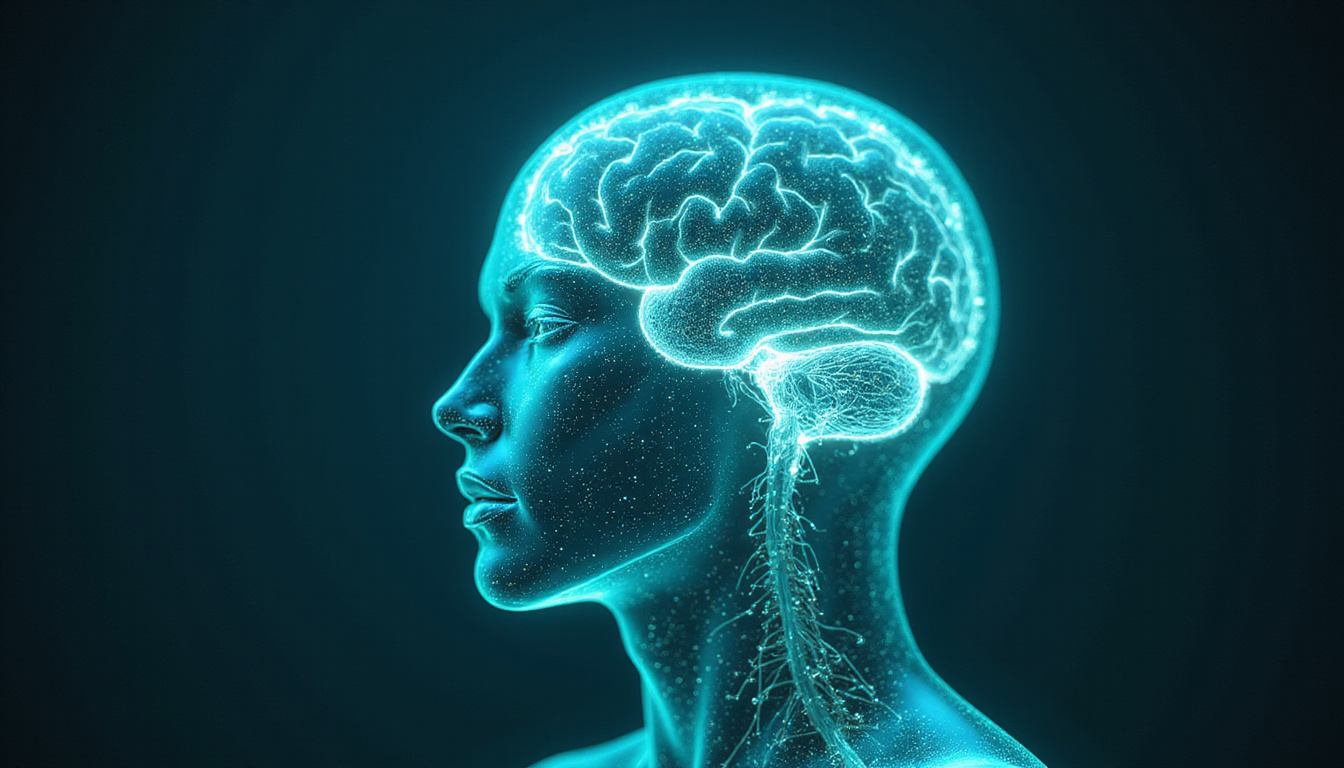
The Neuroscience Behind the Sacred Pause
To understand how the sacred pause rewires your brain, it helps to know a few key players:
- Amygdala – your brain’s alarm system, scanning for threat
- Prefrontal cortex (PFC) – your “CEO brain,” involved in focus, planning, and self-control
- Default mode network (DMN) – active during mind-wandering and self-referential thinking
When you’re stressed or triggered, the amygdala fires. Your nervous system shifts into fight, flight, or freeze. Blood flow moves away from the prefrontal cortex, and you become more reactive, impulsive, and distracted.
The sacred pause interrupts this pattern.
Research on mindfulness and brief, repeated moments of awareness shows that:
- Regularly pausing and attending to the present moment strengthens the prefrontal cortex.
- It improves emotion regulation, making it easier not to be hijacked by feelings.
- It reduces amygdala reactivity, meaning your alarm system becomes less jumpy over time.
A review of mindfulness research published in Nature Reviews Neuroscience highlights that mindfulness practices (of which the sacred pause is a simple form) lead to structural and functional changes in brain regions involved in attention, emotional regulation, and self-awareness (source: Nature Reviews Neuroscience).
In plain language: the more you practice pausing on purpose, the more your brain learns to stabilize, focus, and calm itself.
How the Sacred Pause Builds Focus
Modern life constantly fragments attention. The sacred pause works as a micro-reset for your focus in several ways:
1. Disengaging From Automatic Distraction
Every time you pause instead of mindlessly checking your phone or hopping to another task, you’re:
- Noticing the impulse
- Interrupting the habit loop
- Redirecting your attention deliberately
This trains your brain to notice distractions without obeying them, strengthening cognitive control.
2. Training Attentional Muscles
When you pause, you usually choose an anchor: your breath, bodily sensations, sounds, or even the feeling of your hands resting.
That means you’re practicing:
- Shifting attention: from distraction to anchor
- Sustaining attention: staying with the anchor for a few breaths
- Returning attention: gently bringing it back when it wanders
These micro-moments mirror what’s happening in longer meditation sessions—but in a way that fits into real life.
3. Reducing Cognitive Load
Constant task-switching clutters your mental workspace. A short sacred pause lets your mind:
- “Clear the buffer” of scattered thoughts
- Re-establish what actually matters right now
- Re-enter your task with less internal noise
Over time, this fosters deeper focus and a more spacious, uncluttered mental state.
How the Sacred Pause Creates Calm
The sacred pause doesn’t mean you have no anxiety, anger, or stress. It means you relate to those experiences differently.
1. Activating the Parasympathetic Nervous System
A key part of the sacred pause is often slowing your breathing and tuning into your body. This signals safety to your nervous system and engages your parasympathetic (“rest and digest”) branch.
Effects can include:
- Lower heart rate
- Reduced muscle tension
- Softer, slower thoughts
Even a few slow, deep breaths can start to downshift your physiology.
2. Creating Space Around Emotions
When something triggers you, the pause lets you notice:
- “Anger is here.”
- “Fear is present.”
- “Tightness in my chest, knot in my stomach.”
You move from being the emotion to observing it. That subtle shift—“I’m noticing anxiety” rather than “I am anxious”—is profoundly regulating. It loosens the emotion’s grip and allows more flexible, wise responses.
3. Weakening Stress-Based Habits
Stress often drives automatic behaviors: snapping at loved ones, doom-scrolling, overeating, or overworking.
By inserting a sacred pause at the moment of urge, you:
- Notice the habit cue
- Feel the craving or emotion without immediately acting
- Sometimes choose differently
Repeatedly doing this weakens the old stress-response pathways and lays down new, healthier patterns.
A Simple Sacred Pause Practice (60 Seconds or Less)
You don’t need a cushion, altar, or special app. You just need a willingness to stop.
Try this whenever you feel rushed, overwhelmed, or reactive:
-
Stop
Wherever you are—at your desk, in the car (parked), in the hallway—just stop what you’re doing. -
Feel your body
Notice your feet on the ground, the weight of your body on the chair, the contact of your hands. Let your shoulders drop a fraction. -
Take 3–5 slow breaths
Inhale gently through the nose, exhale a bit more slowly through the mouth or nose. Notice the movement of your chest or belly. -
Name what’s here
Silently label: “Tightness in my chest,” “Racing thoughts,” “Tiredness,” “Frustration,” “Impatience.” No fixing, just noticing. -
Choose your next step
Ask: “What is the most helpful next thing?” It might be returning to your task, taking a break, or communicating calmly.
That’s it. You’ve just done a sacred pause—and given your brain a chance to rewire.
Daily Life Moments to Use the Sacred Pause
The sacred pause is most powerful when woven into ordinary life, not reserved just for crises.
Here are some easy entry points:
-
Before opening your email or messages
One breath and a quick body scan before you dive in. -
After finishing a task
Pause for 20 seconds: acknowledge completion, feel your body, then decide what’s next. -
When a notification appears
See the ping → pause → decide consciously whether to engage now or later. -
In tense conversations
Notice your heart rate rising, pause, breathe, and feel your feet before replying. -
At transition points
Before driving home, before entering your house, between meetings—tiny resets between roles. -
When you catch yourself spiraling
Mid-rumination, pause: name what’s happening, feel your breath, and gently reorient.
These micro-practices compound. Each sacred pause reinforces a brain pattern of presence instead of reactivity.
Common Objections: “I Don’t Have Time to Pause”
The irony is that the busier and more overwhelmed you are, the more you benefit from the sacred pause.
Two key points:
-
It’s measured in seconds, not hours
A 10–30 second pause, repeated several times a day, is realistic even in a packed schedule. -
It usually saves time overall
When you’re less reactive, you:- Write fewer impulsive emails you later need to repair
- Spend less time stuck in mental loops
- Make clearer decisions and stay on track
Far from slowing you down, the sacred pause makes your efforts more efficient and aligned.
How the Sacred Pause Rewires Habits Over Time
Neuroplasticity—the brain’s ability to change—is driven by repetition. Each time you choose a sacred pause instead of an automatic reaction, you’re:
- Slightly quieting your stress pathways
- Strengthening thoughtful, aware response pathways
- Making it more likely you’ll pause next time
Over weeks and months, people often notice:
- Increased baseline calm
- More emotional resilience
- A stronger sense of inner space, even in chaos
- Less guilt or regret about how they react
This is rewiring in action: not a dramatic overnight shift, but a steady reshaping of how your brain and nervous system respond to life.
FAQ: Sacred Pause, Mindfulness, and Everyday Calm
1. What is a sacred pause in mindfulness practice?
In mindfulness, a sacred pause is a short, intentional break in automatic activity or reactivity. You stop, feel your body, connect with your breath, and notice thoughts and emotions as they are. It’s a portable micro-meditation you can use anywhere, anytime.
2. How do I use the sacred pause for anxiety and stress?
When you feel anxiety rising—tight chest, racing thoughts, restlessness—try a sacred pause: stop, exhale slowly, feel your body, and name what you’re experiencing (“Anxiety is here”). This interrupts the anxiety spiral, engages the calming part of your nervous system, and gives you space to choose a grounding next step instead of acting from panic.
3. How often should I practice the sacred pause to see benefits?
You don’t need long sessions. Aim to integrate a sacred pause 5–10 times a day: when you wake up, before meals, before starting work, at transitions, and during emotional moments. Consistency matters more than duration; regular small pauses gradually retrain your brain toward focus and calm.
Your Next Step: Make Your Next Breath a Sacred Pause
You don’t need to wait for the perfect moment or a free weekend to transform your relationship with stress and distraction. The doorway is already here—in your next breath, your next decision, your next moment of overwhelm.
Right now, before you move on:
- Stop reading for a moment.
- Feel your feet on the floor.
- Take three slow, gentle breaths.
- Notice one thing you’re feeling, without trying to fix it.
That’s your sacred pause.
If you want more focus and calm in your life, let this simple practice become a quiet thread running through your days. Start with a few intentional pauses today—set tiny reminders, link them to daily routines, and watch how, over time, your brain learns a new rhythm: less reactivity, more presence, and a steadier, clearer you at the center of it all.