
If you’ve been struggling with sleepless nights, constant stress, or mental fog, yoga nidra may be the missing piece in your wellness routine. This deeply restorative practice—often called “yogic sleep”—guides you into a state between waking and sleeping where the body fully relaxes and the mind becomes calm and clear. Unlike traditional yoga, yoga nidra requires no physical effort; you simply lie down, listen, and let guided awareness do the work.
In this guide, you’ll learn what yoga nidra is, how it works, and how to use it for better sleep, stress relief, and mental clarity.
What Is Yoga Nidra?
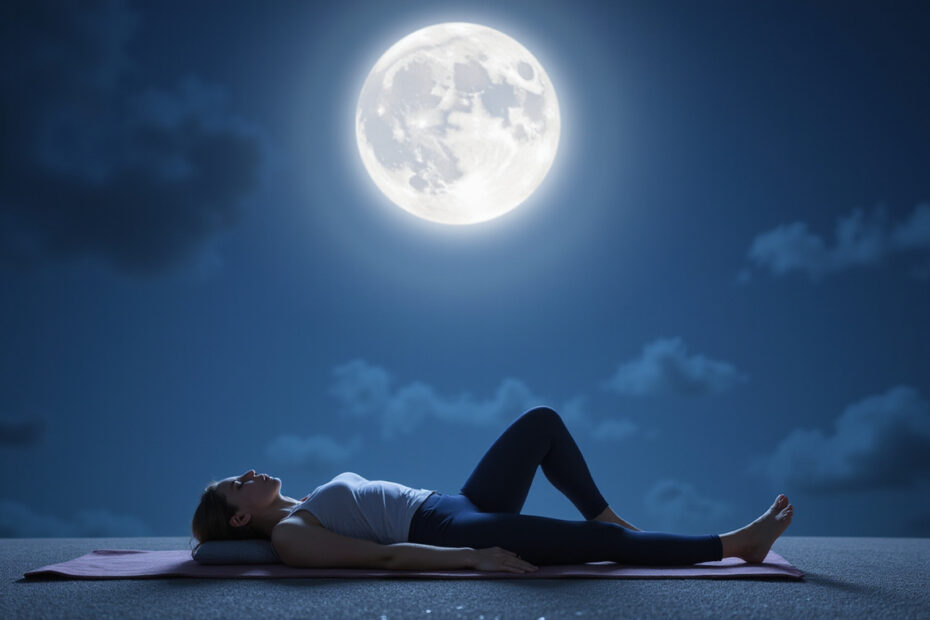
Yoga nidra is a guided meditation technique that brings you into a state of conscious relaxation. You lie down comfortably, close your eyes, and follow the voice of an instructor (live or recorded) through a structured sequence:
- Setting an intention
- Rotating awareness through the body
- Observing breath
- Exploring sensations and emotions
- Resting in pure awareness
Unlike sleep, you stay gently aware throughout the session—but your brain waves shift into deeply relaxed states similar to those seen in the early stages of sleep and in meditation.
Many people finish a 30–40 minute yoga nidra session feeling as refreshed as if they had taken a long nap, yet mentally clearer and more centered.
How Yoga Nidra Works on the Brain and Nervous System
To understand why yoga nidra is so powerful, it helps to know what’s happening on the inside.
Brainwave States and Deep Relaxation
As you move through a session, your brain gradually slows down:
- Beta (active thinking) gives way to
- Alpha (relaxed wakefulness), then
- Theta (dreamy, meditative, creative), and sometimes
- Delta (deep, slow-wave rest)
This progression mirrors the natural descent into sleep but with a key difference: you remain consciously aware. This “conscious sleep” state allows for deep rest while still being capable of observing thoughts and patterns without getting caught in them.
Nervous System Reset
Yoga nidra also activates the parasympathetic nervous system, your body’s “rest and digest” mode. This counters chronic activation of the sympathetic (“fight or flight”) system caused by stress, screens, and constant busyness.
Research shows that yoga nidra and similar practices can:
- Reduce physiological markers of stress like cortisol
- Improve sleep quality and duration
- Support emotional regulation and resilience (source: National Library of Medicine)
Over time, this nervous system reset can help you feel calmer, sleep more easily, and respond to life with less reactivity.
Benefits of Yoga Nidra: Sleep, Stress Relief, and Clarity
Regular practice of yoga nidra offers a wide range of benefits. While experiences vary, these are among the most common and well-documented.
1. Deep Sleep Support and Insomnia Relief
For many, the first and most noticeable benefit is better sleep. Yoga nidra:
- Helps you wind down by quieting mental chatter before bed
- Trains your body to recognize and enter states of deep relaxation
- Can shorten the time it takes to fall asleep
- Helps reduce nighttime awakenings and restless tossing and turning
People with insomnia often use a recording of yoga nidra as part of a nightly routine, either before getting into bed or while lying in bed with headphones. If you fall asleep before the recording ends, that’s perfectly fine—your nervous system still receives the message that it is safe to rest.
2. Powerful Stress Reduction
Chronic stress keeps your body stuck in high-alert mode. Yoga nidra systematically guides you out of that state:
- Muscle tension melts as you move awareness through each part of the body
- Breathing slows and deepens, signaling safety to the brain
- Thoughts are observed rather than believed, loosening their grip
Practiced regularly—even 10–20 minutes a day—yoga nidra can:
- Lower perceived stress
- Reduce anxiety symptoms
- Support recovery from burnout and exhaustion
Because it’s done lying down with no physical effort, it’s accessible even when you’re depleted or dealing with illness, pain, or fatigue.
3. Mental Clarity and Emotional Balance
Beyond sleep and stress relief, yoga nidra works on deeper layers of mind:
- The “witness” awareness cultivated in practice helps you see thoughts and emotions arise without reacting automatically.
- Old patterns, beliefs, and stories can begin to soften as you experience yourself as more than your thoughts.
- The quiet space between thoughts often leads to insights, creative ideas, and a sense of inner direction.
People often report feeling:
- Clear-headed and focused after sessions
- More patient and less reactive in daily life
- Better able to navigate difficult emotions without being overwhelmed
The Structure of a Typical Yoga Nidra Practice
While there are many styles and scripts, most yoga nidra sessions follow a similar arc. Knowing the structure can help you relax more deeply into the process.
1. Preparation and Positioning
You’ll begin by lying on your back in Savasana (corpse pose), or in any comfortable resting position—on your side, with knees supported, or even in a recliner if lying flat isn’t possible.
Use props to maximize comfort:
- A pillow under your head
- A rolled blanket or bolster under your knees
- A light blanket over your body for warmth
- An eye pillow or scarf over your eyes to block light
The more physically supported you are, the more easily your body can let go.
2. Sankalpa: Setting an Inner Resolve
Many traditions of yoga nidra begin with a sankalpa, a positive, present-tense intention or heartfelt resolve.
Examples:
- “I am calm and at peace.”
- “I sleep deeply and wake refreshed.”
- “I trust myself and my path.”
This sankalpa is repeated mentally at the beginning and sometimes at the end of the session, planting a seed in the subconscious when the mind is most receptive.
3. Rotation of Consciousness (Body Scan)
Next, the guide leads you through a systematic body scan, rapidly placing awareness on different points:
- Right hand thumb, fingers, palm
- Right arm, shoulder, side, hip, leg, toes
- Then the left side, back body, front body, etc.
This rotation relaxes each part of the body while keeping the mind lightly focused, preventing you from drifting into ordinary sleep too quickly.
4. Breath Awareness
You’ll then be invited to observe your natural breathing:
- Feeling the rise and fall of the belly or chest
- Counting breaths
- Sensing the movement of air at the nostrils
Breath awareness anchors attention and deepens relaxation, helping to steady the mind.

5. Sensing Opposites and Emotional Release
In some styles, you’ll explore pairs of opposites:
- Heavy / light
- Hot / cool
- Comfort / discomfort
- Calm / restlessness
Bringing awareness to these sensations without judgment teaches the nervous system that it’s safe to experience a full range of internal states. Emotional patterns can surface and release gently in this non-reactive space.
6. Visualization and Expanded Awareness
Next may come simple imagery:
- Floating in a peaceful place in nature
- Soft light spreading throughout the body
- Watching thoughts drift by like clouds
These visualizations help the mind let go of everyday concerns and tap into a sense of spaciousness and connection.
7. Return and Integration
Finally, the guide gently brings awareness back to:
- The physical body
- The room and surrounding sounds
- Small movements of the fingers, toes, and head
You end by resting for a moment, noticing how you feel, and often repeating your sankalpa once more before sitting up slowly.
How to Start a Simple Yoga Nidra Practice at Home
You don’t need a studio or special equipment to start. Here’s a straightforward way to bring yoga nidra into your life.
Step-by-Step Beginner Routine
-
Choose a Time
- For sleep: 20–40 minutes before bedtime.
- For stress relief: mid-day or after work.
-
Create a Restful Environment
- Dim the lights or use an eye mask.
- Silence notifications; use “Do Not Disturb” mode.
- Keep the room comfortably warm and quiet if possible.
-
Get Comfortable
- Lie on your back or side with pillows and blankets.
- Adjust until you feel completely supported—no straining or holding.
-
Select a Guided Practice
- Search for “beginner yoga nidra for sleep” or “yoga nidra for relaxation” on reputable apps or platforms.
- Start with shorter sessions (15–25 minutes) and gradually extend as you like.
-
Set a Gentle Intention
- Pick one simple sankalpa, such as:
- “I am safe and relaxed.”
- “I rest deeply.”
- Pick one simple sankalpa, such as:
-
Allow the Process
- Let go of trying to “do it right.”
- If you drift in and out, that’s okay.
- If thoughts appear, notice them and return to the voice.
-
Stay a Moment Afterward
- When the recording ends, give yourself a minute or two before getting up.
- Notice how your body and mind feel.
Tips for Getting the Most from Yoga Nidra
A few small tweaks can greatly deepen your experience.
- Practice consistently, not perfectly. Even 10–15 minutes a few times a week can be beneficial.
- Use the same sankalpa for weeks or months to let it sink in.
- Don’t worry about falling asleep. It’s common and still helpful. Over time, you may stay more consciously aware.
- Be patient with restlessness. If you feel fidgety or bored at first, that’s normal. The nervous system is learning to slow down.
- Avoid judgment. There’s no such thing as a “bad” session. Every practice is training your body and mind to relax more deeply.
Is Yoga Nidra Safe for Everyone?
Yoga nidra is generally considered very safe and is often used therapeutically for:
- Insomnia and sleep disturbances
- Anxiety and depression (as part of a broader care plan)
- PTSD and trauma recovery (with specialized guidance)
- Chronic pain and illness
However, if you have a history of trauma, dissociation, or severe mental health challenges, it’s wise to:
- Start with shorter, gentler practices
- Work with a trauma-informed teacher or therapist if possible
- Stop or adjust the practice if anything feels overwhelming
As with any wellness practice, listen to your body and consult a professional if you’re unsure.
FAQ: Common Questions About Yoga Nidra
1. What is yoga nidra meditation and how is it different from regular meditation?
Yoga nidra meditation is a guided practice done lying down that leads you into a state between sleep and wakefulness. Unlike many sitting meditations that emphasize focusing on the breath or a mantra, yoga nidra systematically relaxes the body and mind through a structured sequence. You don’t have to “concentrate hard”—you simply follow the voice and allow yourself to rest deeply.
2. Can yoga nidra for sleep really help with chronic insomnia?
Many people find that yoga nidra for sleep becomes a powerful ally against insomnia. By training the nervous system to relax and associating bedtime with calm, it can reduce anxiety around sleep, shorten the time it takes to fall asleep, and improve sleep quality. While it may not be a complete solution for every cause of insomnia, it can be a valuable part of a comprehensive approach that includes lifestyle and medical support when needed.
3. How often should I practice guided yoga nidra for stress and clarity?
For noticeable stress relief and mental clarity, practicing guided yoga nidra 3–5 times per week is ideal, even if only for 15–20 minutes at a time. Some people benefit from a daily short session, while others use a longer practice a few times a week. Consistency matters more than duration—regular repetition trains your body and mind to access relaxation and clarity more easily.
Start Your Own Yoga Nidra Journey Today
If you’re tired of restless nights, overwhelmed by stress, or hungry for mental clarity, yoga nidra offers a gentle, proven path back to balance. You don’t need flexibility, experience, or extra energy—only a quiet space, a comfortable place to lie down, and a willingness to try something new.
Choose one simple guided yoga nidra recording, set aside 20 minutes this week, and commit to showing up for yourself. With each session, you’ll be teaching your body how to relax, your mind how to soften, and your whole system how to remember what true rest feels like.
Begin today, and let yoga nidra become your secret tool for deep sleep, stress relief, and lasting clarity.