

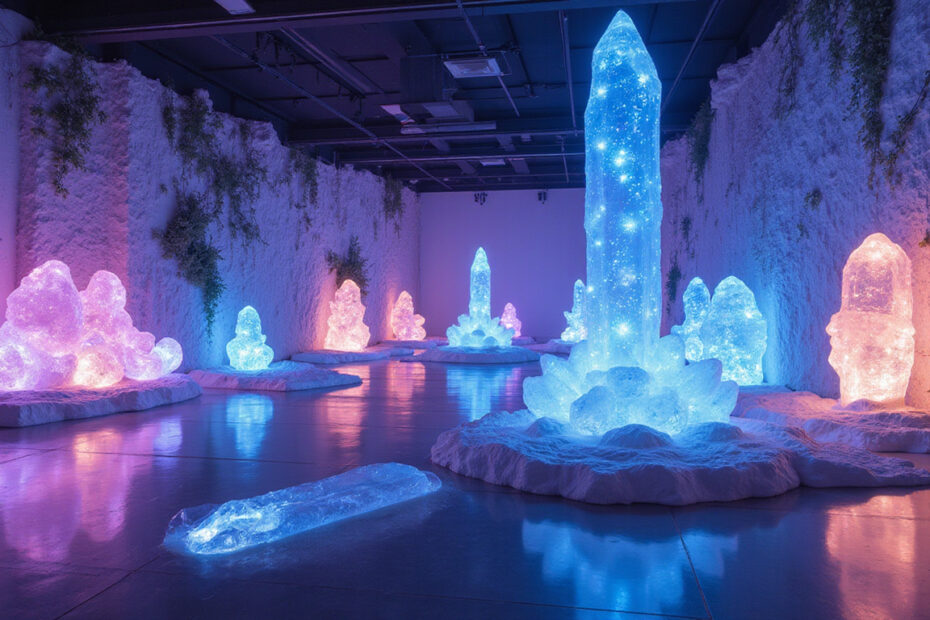
Visionary art has a unique power to transform your space into something magical, spiritual, and deeply personal. Unlike traditional styles that focus only on realism or aesthetics, visionary art reaches into dreamscapes, mystical symbolism, and altered states of consciousness. Curating a home gallery around visionary art lets you surround yourself with imagery that inspires reflection, creativity, and a sense of wonder every single day.
This guide walks you step-by-step through understanding visionary art, choosing the right pieces, and designing an otherworldly home gallery that feels cohesive, intentional, and alive.
What Is Visionary Art? A Quick Primer
Before you start curating, it helps to understand what sets visionary art apart.
Visionary art generally refers to artwork that:
- Draws inspiration from spiritual, mystical, or transcendental experiences
- Depicts inner worlds, dreams, archetypes, and symbolic imagery
- Uses intense color, intricate detail, and surreal compositions
- Feels like a “window” into other realms or states of consciousness
Many visionary artists explore themes like:
- Cosmic or galactic scenes
- Sacred geometry
- Mythological beings and spirit guides
- Chakras and energy fields
- Psychedelic or altered-state visions
The aim isn’t just to decorate; it’s to evoke introspection, connection, and awe. When you design a home gallery around visionary art, you’re not just hanging pictures—you’re building a portal into a more expansive state of mind.
Step 1: Clarify the Intention of Your Visionary Art Gallery
Visionary pieces are powerful. To keep your gallery cohesive rather than chaotic, start with a clear intention.
Ask yourself:
- What do I want to feel when I enter this space—calm, energized, inspired, contemplative?
- Do I want it to support meditation, creativity, or daily relaxation?
- Am I drawn more to cosmic, spiritual, nature-based, or abstract visionary themes?
You might choose one primary intention, such as:
- Meditation sanctuary – Focus on serene, luminous, and balanced compositions.
- Creative studio – Choose bold, colorful, high-energy works.
- Spiritual altar space – Integrate sacred symbols, deities, or archetypal imagery.
Write your intention down. Use it as a filter when choosing each piece of visionary art and planning the layout.
Step 2: Choose a Room That Supports the Mood
Not every room is ideal for an otherworldly gallery. Consider:
- Living room: Great for sharing visionary art with guests and making a bold statement.
- Bedroom: Works if you opt for soothing, harmonious pieces rather than intense or chaotic imagery.
- Home office or studio: Perfect for creativity and focus; choose art that motivates and activates.
- Meditation or yoga room: Emphasize spiritual, calming visionary art with balanced symmetry and soft colors.
Think about:
- Natural light – Some visionary works glow in bright light; others are best in dim, intimate settings.
- Noise level – Spiritual or meditative themes work better in quieter areas of the home.
- Daily use – Choose a room you spend time in regularly to actually benefit from the energy of the art.
Step 3: Curate Visionary Art That Speaks to You
Now comes the fun: finding the right pieces.
Explore Different Sources
You can discover visionary artists and works through:
- Online galleries and artist websites
- Psychedelic, spiritual, and visionary art festivals
- Social platforms that highlight digital and traditional visionary creators
- Local galleries or art fairs with contemporary, experimental work
Look for artists whose imagery consistently resonates with your inner world, not just one trendy piece. The most powerful galleries are built around authenticity and emotional connection.
Balance Styles and Mediums
To keep your gallery visually rich without feeling disjointed:
- Mix painting, prints, and digital art while keeping a consistent theme or color family.
- Combine figurative visionary art (gods, goddesses, beings) with more abstract energy or geometric pieces.
- Consider both large statement works and smaller, intimate ones to build visual rhythm.
Pay Attention to Color and Energy
Color is central in visionary art:
- For a calm, cosmic vibe: blues, purples, silvers, and soft gradients.
- For a vibrant, ecstatic feel: intense neons, warm oranges, reds, and electric greens.
- For a grounded, earth-mystic tone: greens, browns, golds, and natural textures.
Lay your chosen pieces out digitally (or on the floor) before committing. Ask: Do these works feel like they’re “talking” to each other?
Step 4: Plan a Layout That Feels Like a Portal
A visionary art gallery is more than a line of frames. The layout should feel like an immersive journey.
Start with a Focal Point
Choose one anchor piece—often the largest or most powerful—and make it the centerpiece. Place it:
- Above the couch or main seating
- On the wall you see first when entering the room
- Behind an altar table or meditation cushion
This work sets the tone for the entire space.
Build a Visual Flow
Around your focal point, create a sense of movement:
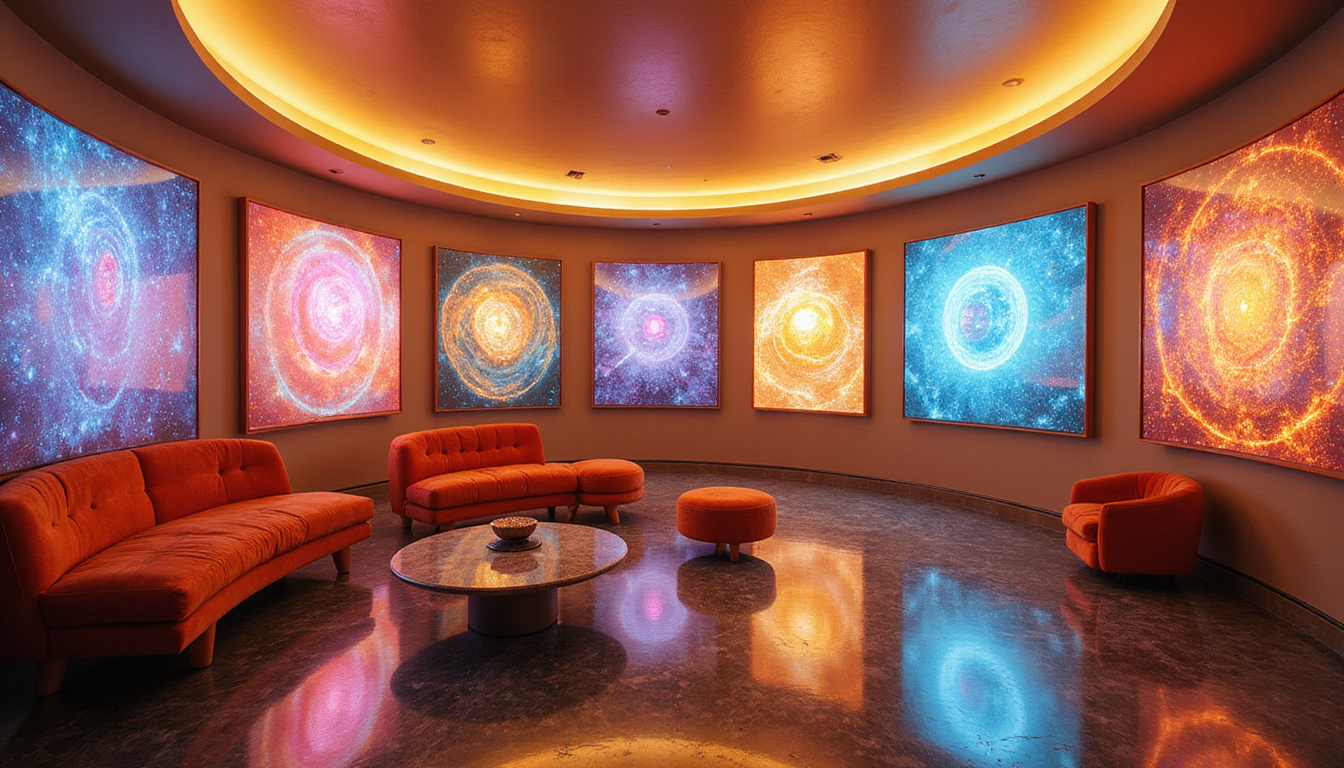
- Arrange art so that lines, shapes, or gazes lead your eyes around the wall.
- Group smaller works in clusters rather than scattering them randomly.
- Use similar frames or color palettes to tie separate pieces together.
A simple approach:
- Place the largest piece at eye level.
- Add medium pieces around it, slightly staggered.
- Fill gaps with small, detailed works that reward close viewing.
Consider Symmetry vs. Organic Arrangements
- Symmetrical layouts (mirror-imaged) work beautifully for sacred geometry and meditative themes.
- Organic, wave-like arrangements suit more wild, psychedelic, or dreamlike collections.
Whichever you choose, step back frequently and check how the entire wall feels as one composition.
Step 5: Use Lighting to Activate the Vision
Lighting can completely change how visionary art reads. A piece that looks flat in daylight can become radiant and immersive with intentional illumination.
Layer Your Lighting
Use a combination of:
- Ambient light – The overall room light (ceiling fixtures, large lamps).
- Accent lights – Picture lights, track lights, or spotlights targeting key pieces.
- Decorative lighting – LED strips, soft colored bulbs, salt lamps, or fiber-optic elements.
For an otherworldly effect, try:
- Dimmer switches to shift from bright daytime viewing to moody nighttime immersion.
- Subtle colored accent lights (e.g., soft violet or blue) to enhance cosmic or spiritual themes.
Research in environmental psychology suggests that softer, more controlled lighting can promote relaxation and introspection—ideal for spaces featuring visionary and spiritual art (source: NIH / NCBI).
Step 6: Integrate Textures, Objects, and Altars
A visionary art gallery becomes truly immersive when you support the visuals with textures and meaningful objects.
Add Complementary Decor
Consider adding:
- Crystals, geodes, or mineral specimens that echo the colors of your art
- Tapestries or fabrics with cosmic or geometric patterns
- Sculptures or figurines that align with the spiritual or mythic themes
- Plants for a living, earth-connected counterpoint to the cosmic imagery
Create a Central Altar or Focus Area
Beneath the main visionary art piece, you might place:
- A low table or shelf with candles, incense, and personal talismans
- A meditation cushion or yoga mat
- Journals, oracle cards, or spiritual texts
Keep this area curated and intentional—not cluttered. It should feel like a physical anchor to the visionary realms depicted on the wall.
Step 7: Frame and Present with Intention
The frame is part of the artwork’s presence. Poor framing can dampen even the most stunning visionary piece.
Choose Frames That Support the Art
- For intricate, colorful visions, simple black, white, or natural wood frames prevent visual overload.
- For minimal or sacred-geometry pieces, sleek metal or thin-profile frames can feel modern and clean.
- For earthy, shamanic works, carved wood or slightly distressed frames can enhance warmth and texture.
Avoid frames that compete with the art. The viewer’s eyes should land on the image first.
Mind the Spacing
- Leave enough negative space between pieces so each can breathe.
- Use consistent spacing (e.g., 2–3 inches between frames) to maintain order, even in organic layouts.
- Keep the center of the overall arrangement around eye level (roughly 57–60 inches from the floor).
Step 8: Maintain and Evolve Your Visionary Gallery
A visionary art gallery is a living entity—it should grow as you do.
Rotate Pieces Periodically
- Swap in new works when your inner life or spiritual practice shifts.
- Store older pieces carefully so you can reintroduce them later.
- Use rotation to keep the gallery feeling fresh and alive.
Clean and Care for the Space
- Dust frames, objects, and surfaces regularly.
- Check for fading if works are in bright sun; consider UV-protective glass if necessary.
- Occasionally sit in the space quietly and sense how it feels—does anything need to move, leave, or be added?
Checklist: Building Your Otherworldly Visionary Art Home Gallery
Use this quick list as you design your space:
- Define your intention (meditative, creative, spiritual, etc.).
- Choose the best room based on light, noise, and how you use it.
- Curate visionary art that emotionally and spiritually resonates.
- Select a focal piece and build a coherent layout around it.
- Layer lighting (ambient, accent, decorative) to activate the art.
- Add supporting elements: crystals, fabrics, plants, altars.
- Frame art with simple, supportive frames and consistent spacing.
- Maintain and evolve the gallery as your inner world changes.
FAQ About Visionary Art and Home Galleries
Q1: How do I start collecting visionary artwork on a budget?
Look for open-edition prints, smaller formats, and digital downloads you can print locally. Many visionary artists offer affordable print options. Start with one or two pieces you truly love instead of buying many cheap works that don’t deeply resonate.
Q2: What’s the difference between visionary art and psychedelic art?
Psychedelic art is often associated specifically with drug-influenced or countercultural imagery. Visionary art is broader: it can be inspired by meditation, dreams, spiritual practices, or mystical experiences, and it often emphasizes inner transformation rather than just visual intensity.
Q3: How can I make a small space feel like a visionary art sanctuary?
In a small room, focus on one powerful visionary piece as a focal point, use mirrors to open the space, and rely on lighting, textiles, and a few meaningful objects to enhance the atmosphere. Avoid overcrowding the walls—minimal but intentional can feel more sacred and immersive.
Bring Your Visionary Home Gallery to Life
Your home can be more than functional—it can be a daily reminder of mystery, beauty, and inner exploration. By intentionally curating visionary art, shaping the lighting, and integrating symbolic objects, you create a personal portal to other realms right where you live.
Don’t wait for the “perfect” moment or unlimited budget. Start with a single visionary artwork that moves you, choose a corner or wall to devote to it, and build from there. Each piece you add will deepen the story your space tells.
Begin curating your visionary art gallery today, and transform your home into a living, breathing reflection of your highest imagination.