

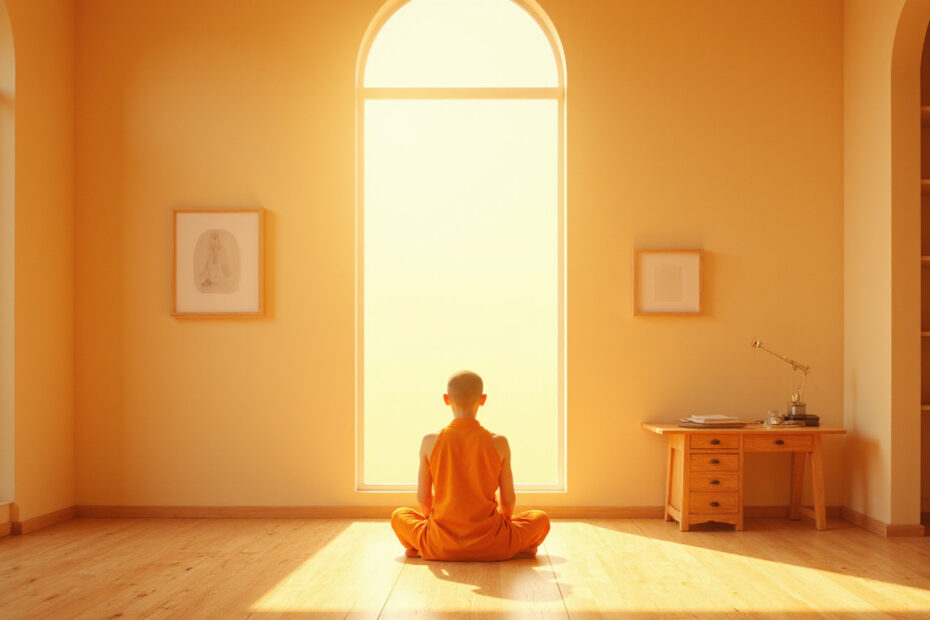
Asceticism is often pictured as monks in caves or sages in the mountains, far removed from ordinary life. But in a world flooded with distractions, noise, and endless digital temptations, modern, practical asceticism can be a powerful tool for boosting productivity, strengthening health, and sharpening mental clarity. You don’t need to renounce the world; you need to learn how to relate to it differently.
This article explores accessible ascetic practices you can integrate into everyday life—no monastery required.
What Is Asceticism in a Modern Context?
Asceticism, traditionally, is a disciplined way of living that involves intentional self-restraint. Historically, it’s been used for spiritual growth, but its principles also map neatly onto high performance and psychological well‑being.
In practical terms, modern asceticism means:
- Putting limits on impulses and comforts.
- Prioritizing long‑term goals over short‑term pleasure.
- Training the mind and body to function with greater strength and focus.
Instead of “deprivation for its own sake,” the goal is deliberate constraint to create space for what truly matters—deep work, health, and inner calm.
Why Minimal Voluntary Discomfort Works
A central idea in asceticism is that voluntary, moderate discomfort builds strength. When you occasionally say “no” to comfort and “yes” to challenge, you:
- Strengthen your willpower.
- Reduce dependency on external rewards.
- Increase resilience to stress and uncertainty.
Research on delayed gratification and self-control (for example, the famous Stanford marshmallow experiment) shows that people who can tolerate short‑term discomfort tend to do better in health, work, and relationships over the long term (source: APA). Modern ascetic practices are like a training program for that capacity.
Asceticism for Productivity: Cutting Noise to Do Deep Work
Distraction is the new addiction. Asceticism gives you a structure to protect your attention.
1. Digital Fasting: Restricting Tech to Regain Focus
Digital fasting is simply abstaining from certain devices or apps for set periods. It’s a modern form of asceticism that aims at reclaiming your focus.
You can:
- Block social media during work hours.
- Turn your phone off for the first and last hour of the day.
- Have one “screen‑free” evening per week.
This creates friction between you and impulsive checking, letting your brain relearn how to focus on a single task.
2. Single‑Tasking as a Discipline
Multitasking is often disguised procrastination. As an ascetic technique, single‑tasking means:
- Choosing one clear, specific task.
- Eliminating all unrelated stimuli.
- Working in uninterrupted blocks (e.g., 25–50 minutes).
You might designate certain hours as “sacred work time,” where you commit not to check anything else. The self‑denial isn’t arbitrary; it’s in service of producing higher quality work in less time.
3. Time Blocking as an Ascetic Structure
Time blocking is another way to bring an ascetic mindset into your schedule:
- Assign each hour (or half‑hour) a clear purpose.
- Limit the number of commitments to what can realistically fit.
- Treat your blocks like appointments you can’t casually break.
The discipline here is in not allowing “just one more thing” to creep into your day. You deny yourself the illusion of infinite capacity and instead commit to realistic, focused execution.
Asceticism for Health: Using Restraint to Build Strength
Asceticism has long included physical practices: fasting, simple diets, modest living. Done wisely and moderately, similar techniques can dramatically impact health.
4. Mindful Eating and Simplified Diets
You don’t have to eat bland food or follow extreme rules. But you can use ascetic principles to remove excess and autopilot eating:
- Eat at set times rather than constantly snacking.
- Choose simple, whole foods most of the time.
- Limit ultra‑processed foods to rare, intentional treats.
Eating becomes less about impulsive pleasure and more about nourishment and long‑term energy. This reduces decision fatigue and stabilizes your mood and focus.
5. Intermittent Fasting as a Structured Discipline
Many people use intermittent fasting (IF) as a health practice: narrowing the daily eating window to, say, 8 hours and fasting for 16. From an ascetic perspective, IF is about:
- Training the body to tolerate mild hunger without panic.
- Reducing the constant search for food as stimulation.
- Creating a predictable structure to your day.
Always consult a medical professional before adopting fasting, especially if you have health conditions. The aim is measured, controlled restraint—not harm or extreme deprivation.
6. Cold Exposure and Physical Discomfort
Cold showers, brief exposure to cold air, or finishing your shower cold for 30–60 seconds are modern ascetic practices gaining popularity. Benefits can include:
- Increased alertness and circulation.
- Improved tolerance to physical stress.
- A daily “willpower workout” that begins your day with a voluntary challenge.
The key is moderation and safety. You’re not trying to prove toughness; you’re building a habit of calmly facing discomfort.
Asceticism for Mental Clarity: Subtracting Noise, Adding Space
Mental clutter comes from overstimulation, unresolved emotions, and constant input. Ascetic practices create breathing room for clarity.

7. Meditation as Intentional Stillness
Meditation is one of the oldest and most universal ascetic practices. At its core, it’s about deliberately doing nothing while watching your mind:
- Sit still for 5–20 minutes daily.
- Focus on your breath or a simple phrase.
- Gently return whenever your mind wanders.
The restraint is internal: you refrain from chasing every thought or urge. Over time, this builds the ability to observe impulses without automatically reacting—crucial for clear thinking and wise choices.
8. Silence and Solitude Breaks
Most people move through their day with constant sound: podcasts, music, TV, chatter. Periods of silence are a gentle but powerful ascetic technique.
You can:
- Take 10–15 minutes daily with no devices, no talking, no reading.
- Go for a walk without headphones.
- Have one “quiet morning” or “quiet evening” weekly.
This allows your thoughts to settle, insights to arise, and your nervous system to relax. The absence of noise becomes a resource, not a void.
9. Information Diets
We tend to think of more information as better. Asceticism suggests the opposite: most of us need less.
An information diet might include:
- Limiting news consumption to a once‑daily check.
- Unsubscribing from nonessential email lists.
- Reducing the number of influencers, experts, or channels you follow.
By curating input, you preserve bandwidth for thinking, creating, and truly understanding what you do consume.
Building a Personal Asceticism Practice
Asceticism is not one‑size‑fits‑all. It works best when personalized and flexible, yet firm enough to challenge you.
Principles for Designing Your Own Practice
Consider these:
- Start small and specific. Choose one or two practices to try for 2–4 weeks.
- Aim for discomfort, not misery. You should feel stretched, not broken.
- Tie each practice to a clear goal. For example:
- “I’m limiting social media to 30 minutes daily to improve my focus at work.”
- “I’m fasting 12–14 hours overnight to stabilize my energy and appetite.”
- Track the effects. Note changes in mood, focus, sleep, productivity.
- Review and adjust. Increase intensity slowly if the practice is sustainable; scale back if it causes harm or severe stress.
Example: A Simple 7‑Day Asceticism Experiment
Try this one‑week reset to test basic ascetic techniques:
- Morning
- 5 minutes of silent meditation.
- No phone for the first 30 minutes after waking.
- Workday
- 2–3 blocks of 45 minutes of single‑tasking with your phone in another room.
- No social media until after lunch.
- Eating
- A 12‑hour overnight fast (e.g., finish dinner at 7 p.m., eat breakfast at 7 a.m.).
- No snacking after dinner.
- Evening
- 15–30 minutes of screen‑free time before bed.
- One cold shower finish (30 seconds of cooler water) on 3 of the 7 days.
After the week, evaluate your productivity, mood, and clarity. Many people report surprising calm and control from even moderate restraint.
Common Misconceptions About Asceticism
Because asceticism is often misunderstood, it’s worth clarifying what it is not.
- It’s not self‑hatred or punishment. Healthy asceticism is oriented toward growth and flourishing, not self‑destruction.
- It’s not about extremes. You don’t need to starve, isolate yourself, or abandon all comforts.
- It’s not anti‑pleasure. It teaches you to enjoy pleasures more fully, because you’re not enslaved to them or consuming them mindlessly.
Think of it as strength training for the soul: you apply resistance to become more capable, not more miserable.
Practical Ascetic Techniques at a Glance
Here’s a quick list you can mix and match:
- Digital fasting (restricted social media or screen time).
- Scheduled deep work blocks without interruption.
- Time‑blocked days with clearly defined activities.
- Mindful, simplified eating with fewer processed foods.
- Gentle intermittent fasting, medically approved.
- Cold exposure, such as short cold showers.
- Daily meditation or breathwork.
- Periodic silence and solitude.
- Reduced news and content consumption.
- Intentional spending limits (e.g., no impulse buys for 30 days).
Each is a way of saying, “I choose my actions instead of letting urges and habits choose for me.”
FAQ: Modern Asceticism and Everyday Life
Q1: How can I practice asceticism without becoming extreme?
Focus on moderate, sustainable changes. Choose one or two areas—like reducing social media or practicing a simple fast—and test them for a few weeks. Avoid practices that cause harm, exhaustion, or significant anxiety. Asceticism should make your life more ordered and meaningful, not harsh or unsustainable.
Q2: Is ascetic lifestyle compatible with a busy career and family?
Yes. Modern ascetic living is about intentional boundaries, not withdrawal from life. You might limit work email after a certain hour, set device‑free family time, or use early mornings for meditation. Small, consistent practices can support your career and relationships by increasing your presence and resilience.
Q3: What are some ascetic practices for mental clarity specifically?
For mental clarity, prioritize meditation, silence breaks, and an information diet. Short daily meditation (5–10 minutes), a walk without headphones, and limiting news and social feeds to set times can dramatically reduce mental noise and improve focus.
Begin Your Own Experiment in Intentional Restraint
Your environment is designed to pull your attention, your time, and your energy in a hundred directions a day. Integrating thoughtful asceticism into your routine is a way of reclaiming that power. By choosing small, voluntary discomforts—digital fasting, simple eating, quiet time, structured work—you train your mind and body to be calmer, stronger, and more focused.
You don’t have to overhaul your life overnight. Pick one ascetic technique from this article and commit to practicing it for the next seven days. Notice how it affects your productivity, health, and mental clarity—and then build from there. The discipline you cultivate now can become the foundation for a more intentional, powerful, and genuinely free way of living.