
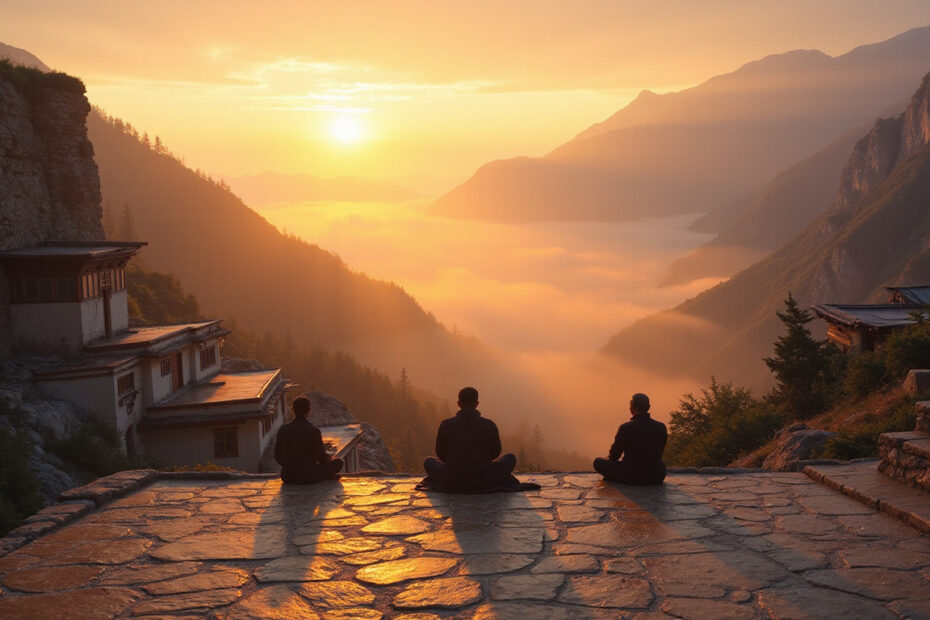
Spiritual tourism is no longer a fringe travel trend; it’s a growing, mainstream way of exploring the world with deeper purpose. Instead of focusing only on sightseeing and bucket-list photos, spiritual tourism invites you to slow down, connect with local traditions, and return home changed on the inside as much as the outside. Whether you’re drawn to ancient temples, silent retreats, or nature-based pilgrimages, this form of travel can offer clarity, healing, and renewed meaning in your life.
Below is a practical, people-centered guide to what spiritual tourism is, how to choose transformative destinations, and how to plan mindfully so your trip is both enriching and respectful.
What Is Spiritual Tourism?
Spiritual tourism is travel motivated by a desire for inner growth, connection, or transcendence. It’s less about religious obligation and more about personal transformation, using travel as a catalyst.
It often includes:
- Visiting sacred sites such as temples, churches, mosques, shrines, and pilgrimage routes
- Attending retreats for meditation, yoga, mindfulness, or silence
- Engaging with indigenous or ancestral spiritual practices (with respect and consent)
- Spending immersive time in nature for reflection and healing
- Participating in festivals, ceremonies, or rituals that foster community and meaning
Crucially, spiritual tourism doesn’t need to be tied to one belief system. Travelers might be practicing Buddhists, curious agnostics, lapsed Catholics, or spiritual-but-not-religious seekers. What unites them is an intention: to use the journey for self-discovery, healing, or connection to something greater.
Why Spiritual Travel Is Growing
Several global shifts are driving the rise of spiritual tourism:
- Burnout and digital overload: Many people use travel as a reset from high-stress, hyper-connected lives.
- Search for meaning: Traditional religious participation may be declining in some regions, but interest in spirituality and mindfulness is rising.
- Holistic wellness movement: Yoga, meditation, and breathwork have moved into the mainstream, and travelers want to deepen these practices on the road.
- Post-crisis reevaluation: After global disruptions and uncertainty, people are rethinking what truly matters, and travel is becoming more intentional.
UNWTO has highlighted spiritual and religious tourism as a large and steadily expanding segment of global travel, with hundreds of millions of people visiting spiritual sites annually (source: UN Tourism).
Types of Spiritual Tourism Experiences
Spiritual journeys can take many forms. Understanding the main types can help you choose what resonates.
1. Pilgrimages and Sacred Routes
Pilgrimages are journeys to sites considered holy or spiritually significant. Historically, they were religious obligations; today, many pilgrims are seeking reflection, healing, or transition support (e.g., after loss, career change, or major life decisions).
Well-known pilgrimage routes include:
- Camino de Santiago (Spain and beyond): A network of routes leading to Santiago de Compostela; famous for community, simplicity, and introspection.
- Kumano Kodo (Japan): Ancient mountain trails linking shrines; combines Shinto and Buddhist influences in serene natural settings.
- Kailash Mansarovar Yatra (Tibet/India): A demanding pilgrimage around sacred Mount Kailash, revered in Hinduism, Buddhism, and other traditions.
Pilgrimages are powerful because you travel with a clear intention, often in a community of fellow seekers, and the physical effort mirrors internal change.
2. Retreats and Immersive Programs
Retreats offer structured spiritual tourism with guided practices and support:
- Meditation retreats: Ranging from silent Vipassana courses to gentle mindfulness weekends.
- Yoga retreats: Often in nature or near the ocean, combining asana, breathwork, and philosophy.
- Monastery stays: Living alongside monks or nuns for a set period, joining daily rituals and contemplation.
Retreats suit travelers who want clear frameworks, teachings, and time set aside solely for inner work.
3. Sacred Nature and Eco-Spiritual Travel
For some, the most profound spiritual experiences happen outdoors. This can include:
- Forest or mountain retreats
- Desert or wilderness solo time (with proper safety measures)
- Sacred sites tied to indigenous cosmologies (e.g., Uluru in Australia, certain mountains or rivers worldwide)
Nature-based spiritual tourism often focuses on interconnectedness, humility, and ecological awareness.
4. Cultural and Ritual Experiences
This approach to spiritual tourism centers on learning and participating—respectfully—in local spiritual life:
- Attending festivals and ceremonies (e.g., Diwali in India, Semana Santa in Latin America)
- Joining community rituals open to visitors (chanting, prayer, tea ceremonies)
- Learning from spiritual teachers, elders, or healers with consent and proper boundaries
This form requires strong ethical awareness to avoid cultural appropriation or “spiritual consumerism.”
Transformative Spiritual Tourism Destinations
There’s no single “best” spiritual destination; the right place is the one aligned with your needs, beliefs, and capacity. Here are several types of hubs around the world:
India: Diversity of Spiritual Paths
India is a classic destination for spiritual tourism, home to Hinduism, Buddhism, Sikhism, Jainism, and numerous indigenous traditions.
Notable hubs:
- Varanasi: One of the world’s oldest continually inhabited cities; powerful, intense, and focused on life, death, and devotion along the Ganges.
- Rishikesh: The “Yoga Capital of the World,” combining ashrams, yoga schools, and Ganges-side contemplation.
- Bodh Gaya: A key site in Buddhism, where Siddhartha Gautama is said to have attained enlightenment.
India can be overwhelming; it’s ideal for travelers willing to confront both beauty and discomfort in their search.
Japan: Serenity, Ritual, and Mindfulness
Japan offers a gentler, highly aesthetic approach to spiritual exploration:
- Kyoto: Zen temples, Shinto shrines, and gardens built for contemplation.
- Koyasan: A monastic mountain town where visitors can stay in temple lodgings and join morning prayers.
- Shikoku Pilgrimage: An 88-temple route combining walking, hospitality, and reflection.
The emphasis on ritual, simplicity, and nature suits travelers seeking quiet refinement.
Europe: Ancient Routes and Contemplative Spaces
Europe’s spiritual tourism options extend beyond cathedrals:
- Camino de Santiago (Spain, France, Portugal): A time-tested pilgrimage emphasizing community and simplicity over dogma.
- Assisi (Italy): Linked to St. Francis, with a strong tradition of peace and care for creation.
- Monasteries in France, Spain, Greece: Many offer guest stays for silent retreats, prayer, and rest.
These destinations appeal to those with Christian roots as well as secular seekers drawn to contemplative traditions.
The Americas: Indigenous Wisdom and Retreat Culture
North, Central, and South America offer a blend of retreat centers and deep indigenous spiritual lineages.
Examples:
- Peru (Sacred Valley, Machu Picchu area): Andean cosmology, mountain worship, and a strong retreat infrastructure.
- Costa Rica: Known for wellness and spiritual retreats in lush natural settings.
- U.S. Southwest and Canada: Sacred indigenous lands and traditions (access must be led by and centered on local communities).
Approach indigenous practices with humility, recognizing historical harm and current power imbalances.
How to Plan a Spiritual Tourism Journey
Spiritual travel planning is less about ticking sights off a list and more about shaping conditions for meaningful experience.
1. Clarify Your Intention
Before choosing a destination, ask yourself:
- What am I seeking—healing, clarity, grief support, rest, community, inspiration?
- Am I drawn to a specific tradition (e.g., Buddhism, Christianity, indigenous wisdom) or more open exploration?
- Do I prefer structure (retreat, pilgrimage route) or open-ended wandering?
Write your primary intention down. Return to it as you plan and again during your trip.
2. Choose the Right Level of Challenge
Spiritual transformations often arise at your edge, but that edge is different for everyone. Consider:
- Physical demands: Long hikes? High altitudes? Simple accommodations?
- Emotional demands: Intense rituals, facing mortality, confronting personal history?
- Cultural unfamiliarity: Are you ready for environments very different from home?
Pick a journey that stretches you slightly without overwhelming your nervous system.
3. Research Ethically and Deeply
When planning spiritual tourism:
- Look for locally owned accommodations, guides, and retreat centers.
- Read about cultural norms and religious etiquette—dress codes, photography rules, gender norms, and sacred boundaries.
- Seek reviews that mention respectful practices and non-exploitative use of local traditions.
- Be wary of programs promising instant enlightenment or guaranteed “miracles.”
4. Pack for Simplicity, Not Performance
A lighter, simpler pack supports a quieter mind. Along with essentials, consider:
- A small journal and pen
- A scarf or shawl for modesty in sacred sites
- Comfortable walking shoes and simple, respectful clothing
- A reusable water bottle and minimal toiletries
Avoid overloading on spiritual “props.” The most powerful tools are your attention and intention.
5. Build Space Into Your Itinerary
One of the biggest mistakes in spiritual tourism is over-scheduling. Leave:
- Empty days for unplanned exploration or rest
- Time for integration after intense experiences
- Buffer room for spontaneous local invitations (a ceremony, a shared meal, a conversation with a teacher or elder)
Depth requires slowness.
Mindful Practices to Deepen Your Experience
Regardless of where you go, simple practices can make your journey more transformative.
Practice Presence
- Begin each day with 5–10 minutes of quiet breathing or meditation.
- Put your phone on airplane mode during key experiences.
- When you arrive at a site, pause at the entrance, breathe, and silently ask permission to enter.
Engage With Humility
- Listen more than you speak, especially when learning about local beliefs.
- Ask consent before taking photos of people, rituals, or private spaces.
- Offer gratitude—verbally, with donations, or through service—where appropriate.
Reflect Regularly
Set aside a few minutes each evening to:
- Note memorable moments or insights.
- Acknowledge difficult emotions that came up.
- Reconnect with your original intention and how it’s evolving.
Over time, these notes can become a map of your inner journey.
Ethical Considerations in Spiritual Tourism
Spiritual travel has ethical complexities. Traveling mindfully means minimizing harm and supporting the communities that host you.
Key principles:
- Respect sacredness: Some sites or ceremonies are not for tourists. If you’re told “no,” accept it.
- Avoid commodifying traditions: Treat local practices as living, complex systems, not exotic backdrops for photos.
- Support fair compensation: Pay fairly for teachings, ceremonies, and guiding; avoid bargaining aggressively over spiritual services.
- Center local voices: Choose experiences led by local practitioners rather than outsiders who have appropriated traditions.
Done well, spiritual tourism can sustain cultural preservation and provide dignified livelihoods. Done poorly, it can deepen exploitation and erasure.
Integrating Your Journey When You Return
A spiritual trip doesn’t end when your flight lands. Integration is where experiences become lasting change.
After you return:
- Rest first. Give yourself a few unscheduled days if possible.
- Revisit your journal. Notice recurring themes, surprising insights, or unresolved questions.
- Create one or two simple practices you can sustain—morning meditation, gratitude journaling, regular time in nature.
- Stay connected with people or communities you met, if appropriate, through respectful, non-demanding communication.
- Let the experience inform choices about work, relationships, and lifestyle rather than rushing back into old patterns.
The true success of spiritual tourism is not how “intense” the trip felt, but how gently and genuinely it reshapes your everyday life.
FAQ About Spiritual Tourism
1. What is spiritual travel, and how is it different from regular tourism?
Spiritual travel (or spiritual tourism) is motivated by inner growth, healing, or connection to something greater than yourself. Unlike conventional tourism, which is often focused on entertainment and sightseeing, spiritual travel prioritizes reflection, meaningful encounters, and personal transformation over ticking off attractions.
2. How do I choose the right destination for spiritual tourism?
Start by clarifying your intention—what you hope to find or work through. Then look for destinations whose traditions, environment, and level of challenge match that intention. For example, if you want contemplative silence and structure, a meditation retreat or monastery stay might be ideal. If you seek community and physical challenge, a pilgrimage route such as the Camino de Santiago can be a strong fit.
3. Can I practice my own beliefs while engaging in spiritual tourism abroad?
Yes. Spiritual tourism doesn’t require abandoning your beliefs. You can maintain your own practices while respectfully learning about others. The key is humility: follow local etiquette, seek consent before joining rituals, and avoid judging or trying to “correct” other traditions. Treat your journey as an opportunity for dialogue rather than replacement.
Spiritual tourism invites you to travel not just across distance, but into deeper layers of your own life. If you feel the pull toward more meaningful journeys—ones that leave you clearer, kinder, and more grounded—consider planning a spiritually focused trip for your next vacation. Choose your destination with care, move slowly, listen deeply, and let the journey change you. When you’re ready, take the first step: set an intention, research one destination that resonates, and block time on your calendar. Your transformative journey can begin long before you pack your bags.