
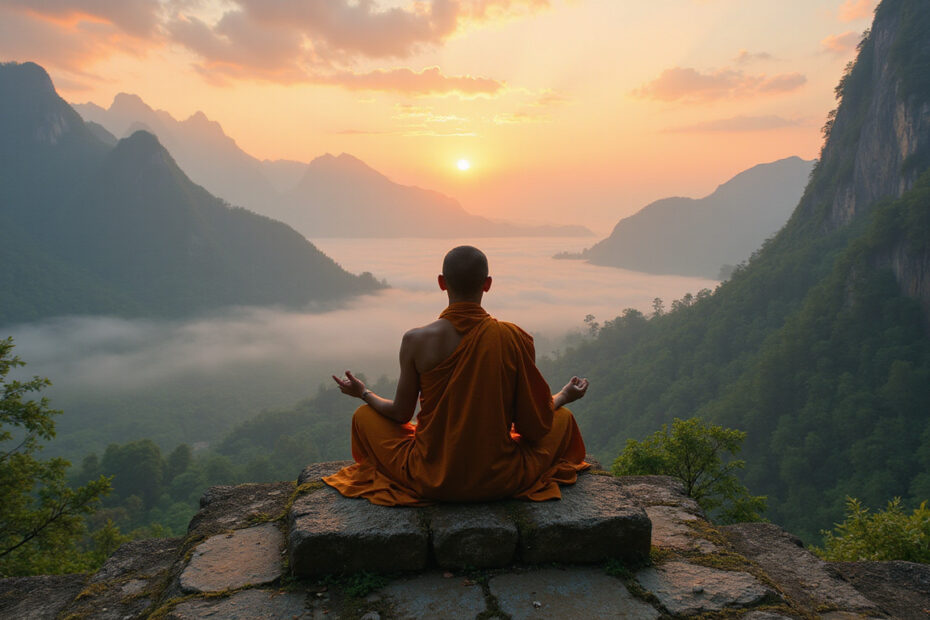
In a world of constant notifications, deadlines, and uncertainty, more people are turning to buddhism not as a religion in the traditional sense, but as a practical, day‑to‑day guide for staying calm. Far from being abstract or mystical, its core ideas are surprisingly down‑to‑earth: understand your mind, work with your emotions, and relate more wisely to change. That’s exactly why buddhism has become an unexpected secret to lasting calm for people far beyond Asian monasteries.
What buddhism Really Is (And Isn’t)
Many people assume buddhism is only about monks, incense, and temples. In reality, it offers a complete toolkit for living with less stress and more clarity—whether you’re religious or completely secular.
At its heart, buddhism is about:
- Understanding how the mind works
- Seeing clearly why we suffer
- Training ourselves to respond differently
You don’t have to “believe” in anything to benefit from its core teachings. You just have to be willing to look honestly at your experience and experiment with new ways of relating to it.
The Root of Stress, Through a Buddhist Lens
To understand how buddhism leads to calm, it helps to see how it explains stress and anxiety.
The Four Noble Truths in Everyday Language
Buddhism’s foundational framework, the Four Noble Truths, is often misunderstood as pessimistic. In plain language, they say:
- Life involves discomfort and dissatisfaction.
- A big part of that comes from how we cling, resist, and react.
- It’s possible to suffer less.
- There’s a trainable path to get there.
Rather than saying life is only suffering, buddhism points out that we suffer unnecessarily when we fight reality—when we demand that people, feelings, and situations be different than they are.
How This Shows Up in Your Day
Stress usually doesn’t come just from what happens, but from what your mind does with what happens:
- You replay an argument in your head for hours.
- You obsessively check email, desperate not to miss anything.
- You panic about a future that hasn’t happened yet.
Buddhism calls this craving, aversion, and delusion: chasing what we want, pushing away what we don’t want, and getting tangled in confused thinking. The good news? All of this is workable.
Impermanence: The Calm Hidden in Change
One of buddhism’s most important insights is impermanence: everything is changing, all the time—your mood, your job, your relationships, your thoughts.
At first, that can sound unsettling. But seen more deeply, it’s a powerful source of calm.
Why Impermanence Reduces Anxiety
When you feel overwhelmed or stuck, buddhism reminds you:
- This feeling won’t last.
- This situation will change.
- This thought is only passing through.
Instead of seeing difficult moments as permanent disasters, you see them as waves: they rise, crest, and fall. That shift loosens fear and helps you stay grounded, even in chaos.
Practicing Impermanence in Daily Life
You can work with this insight in very simple ways:
- Notice how your breath is constantly changing—no two breaths identical.
- Watch emotions rise and fade in real time, like weather passing through the sky.
- Reflect on how life has already changed: jobs you’ve left, fears you outgrew, people you’ve met.
The more you see impermanence directly, the less you feel attacked by what’s happening now. You learn to ride the waves instead of feeling drowned by them.
Mindfulness: buddhism’s Practical Engine of Calm
If impermanence is the insight, mindfulness is the tool that lets you experience it.
Mindfulness in buddhism simply means clear, non‑judgmental awareness of what’s happening in the present moment—thoughts, sensations, emotions—without immediately reacting or getting swept away.
How Mindfulness Breaks the Stress Loop
Stress tends to follow a predictable loop:
- Trigger happens (email, comment, memory).
- Thought appears (“I’m failing,” “This is terrible”).
- Emotion surges (anxiety, anger).
- Reaction (“I’ll quit,” “I’ll lash out,” “I’ll numb out”).
Mindfulness inserts a gap between the trigger and your reaction. In that space, you can see:
- “This is just a thought, not a fact.”
- “This is anxiety peaking; it will pass.”
- “I don’t have to send that angry message.”
That gap is where calm lives. And you can train it.
A Simple Buddhist-Inspired Mindfulness Practice
Try this short practice once or twice a day:
- Sit or stand comfortably.
- Gently close your eyes or soften your gaze.
- Bring attention to your breath—feeling it at your nose, chest, or belly.
- When thoughts arise (and they will), note them briefly (“planning,” “worrying,” “remembering”) and then return to the breath.
- Continue for 5 minutes.
You’re not trying to stop thinking. You’re training the ability to notice, name, and come back. Over time, this same skill shows up during arguments, meetings, and moments of fear—giving you more calm in real life.
Compassion: The Overlooked Path to Inner Ease
Buddhism doesn’t stop at mindfulness. It pairs awareness with compassion: a sincere wish for yourself and others to be free from suffering.
This might sound soft, but it’s deeply practical. Harsh self‑criticism, resentment, and shame are huge drivers of stress. Compassion directly untangles them.
Self-Compassion in the Buddhist Tradition
A classic buddhist practice, often called metta (loving-kindness), involves silently repeating phrases of goodwill. You can adapt it in a modern, grounded way:
- “May I be safe.”
- “May I be at ease.”
- “May I be kind to myself.”
Then you extend the same wishes to others—even people you find difficult. This doesn’t mean approving of their actions; it means refusing to poison your own mind with hatred.
Compassion softens inner tension and makes it easier to face mistakes, setbacks, and conflict without collapsing into anxiety or blame.
The Noble Eightfold Path as a Life Framework
The Buddha’s practical roadmap for a calmer, wiser life is summed up as the Noble Eightfold Path. Originally a spiritual path, it’s also a powerful framework for mental health and ethical living.
Here’s how it translates into everyday terms:
- Right View – Understanding cause and effect; noticing how your actions and habits shape your experience.
- Right Intention – Cultivating intentions grounded in kindness, non‑harming, and letting go.
- Right Speech – Speaking truthfully and kindly; reducing drama and gossip that fuel anxiety.
- Right Action – Acting in ways that don’t harm yourself or others, which naturally reduces guilt and regret.
- Right Livelihood – Earning a living in ways aligned with your values, so your work supports rather than drains your inner peace.
- Right Effort – Applying steady, balanced effort—neither burning out nor giving up.
- Right Mindfulness – Staying present and aware in daily life, not just on a meditation cushion.
- Right Concentration – Training the mind to stay focused, which reduces scattered, anxious thinking.
You don’t have to master all eight at once. Even modest improvements in speech, effort, and mindfulness can significantly lower everyday stress.
What Modern Science Says About Buddhist Practices
Many of the core tools of buddhism—especially mindfulness and compassion training—have been studied extensively over the past few decades.
Research has found that regular mindfulness practice can:
- Reduce symptoms of anxiety and depression
- Improve emotional regulation and resilience
- Lower perceived stress in both clinical and non‑clinical populations
- Even produce measurable changes in brain areas linked to attention and emotional balance (source: American Psychological Association)
While the spiritual context is optional, the practical benefits are increasingly clear: buddhist‑inspired practices help people stay calmer and more balanced in modern life.
Simple Ways to Bring buddhism Into Your Day
You don’t need to “convert” to benefit from buddhism. You can start with small, concrete shifts:
- Begin and end your day with 5 mindful breaths. Before checking your phone, feel five full breaths. At night, do the same before sleep.
- Practice “one mindful activity” daily. Choose one routine task—showering, making coffee, washing dishes—and give it full attention.
- Notice clinging and resisting. When you feel tense, ask, “What am I desperately wanting or trying to push away right now?” Just noticing often softens the grip.
- Take a “three-breath pause” before reacting. In a difficult conversation, pause for three breaths before replying. Allow the first emotional surge to pass.
- Add one minute of compassion. Once a day, silently wish yourself and one other person well. Keep it simple and sincere.
Over time, these small habits stack into a quieter mind, softer body tension, and a more stable sense of ease.
Common Myths About buddhism and Calm
“Buddhism means suppressing emotions.”
Buddhism doesn’t ask you to numb out or pretend you’re fine. It invites you to fully feel emotions—without letting them control your actions. Anger, grief, and fear are seen as natural; what you do with them is where practice comes in.
“To practice buddhism, I have to become passive.”
Calm doesn’t mean passive. Many engaged Buddhists are active in social justice, medicine, education, and environmental work. The difference is that they aim to act from clarity and compassion, not from blind rage or despair.
“I don’t have time to meditate 30 minutes a day.”
You can start with 3–5 minutes. Even brief, consistent practice rewires habits of mind. And mindfulness can be woven into things you already do: walking, commuting, eating, or talking.
FAQ: buddhism and Lasting Calm
Q1: How can buddhism help with anxiety in daily life?
Buddhism helps ease anxiety by training you to notice thoughts and sensations without fusing with them. Through mindfulness and understanding impermanence, anxious thoughts are seen as passing mental events, not absolute truths. Practices like mindful breathing, body scans, and metta softens the fear response and create more psychological space.
Q2: What is Buddhist mindfulness meditation and how do I start?
Buddhist mindfulness meditation involves sitting quietly, focusing on your breath or bodily sensations, and gently returning attention whenever the mind wanders. To start, set a timer for 5 minutes, sit comfortably, and follow your breath. When you notice thinking, label it (“thinking”) and come back to the breath. Consistency matters more than duration.
Q3: Do I have to be religious to benefit from Buddhist teachings on calm?
No. Many people approach buddhism as a philosophy and set of mental practices rather than a religion. You can explore mindfulness, compassion, and the insights about impermanence and clinging entirely in a secular way, using them as tools to reduce stress, improve relationships, and cultivate a steadier inner peace.
Let buddhism Become Your Quiet Advantage
You don’t have to move to a monastery or adopt a new identity to let buddhism reshape your relationship to stress. By understanding how suffering arises, embracing impermanence, training mindfulness, and cultivating compassion, you gain something rare in modern life: a reliable inner refuge that doesn’t depend on circumstances.
If you’re ready to explore this unexpected secret to lasting calm, pick one simple practice from this article and commit to it for the next 7 days. Treat it as an experiment. Watch what shifts in your mind, your body, and your reactions.
Lasting calm isn’t a personality trait; it’s a skill. Buddhism offers a time‑tested way to develop it—starting with the very next breath.