

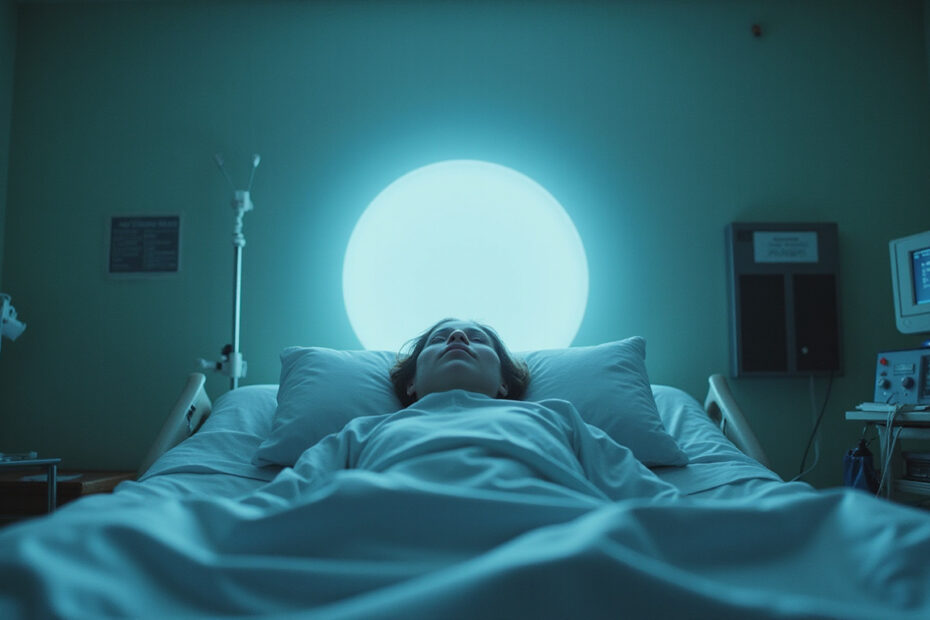
A near-death experience (NDE) can completely transform how a person views life, death, relationships, and even daily choices. While every story is unique, people who come close to dying often report strikingly similar insights afterward—insights that can help anyone re-evaluate what truly matters, before a crisis forces it. Drawing from common themes reported by near-death experience survivors, here are 10 life-changing lessons to live by.
1. Life is fragile—treat your time as your most precious currency
Near-death experience survivors often talk about how quickly everything can change. One moment they were driving, on an operating table, or simply going about their day; the next, they were hovering between life and death.
What they usually bring back is an urgent awareness that:
- Time is not guaranteed.
- Ordinary days are not “nothing” days; they are your life.
- Postponing what matters is a silent gamble you don’t realize you’re making.
Many survivors say they stop saying “someday” and start asking, “If I knew I only had a year, what would I absolutely want to do, say, or become?” You don’t need a near-death experience to ask that now.
Practical takeaway: Write down three things you keep postponing “for later.” Choose one and take the smallest possible step toward it today—send the email, make the call, book the appointment, start the first page.
2. Love is the core metric of a life well lived
Across cultures and beliefs, near-death experience accounts consistently emphasize love. Survivors often describe:
- A feeling of overwhelming, unconditional love.
- A realization that the love they gave (and sometimes withheld) mattered more than achievements or status.
- Regret not for what they owned, but for times they were too busy, afraid, or hurt to love freely.
In many NDE “life review” stories, people say they relive moments where their actions affected others emotionally—especially times they showed kindness or caused pain. Success, in this light, is measured not in trophies or titles but in how deeply and courageously we love.
Practical takeaway: Each morning, ask, “What’s one loving thing I can do today that I’ll be proud I did if I were gone tomorrow?” Then do it, even if it’s small.
3. Small acts of kindness echo far beyond what you see
A powerful lesson from near-death experience survivors is that seemingly tiny actions can have a big emotional and spiritual impact. Many describe seeing or sensing the ripple effects of:
- A kind word at the right time
- Listening when someone needed to talk
- Defending someone being mistreated
- Simple generosity or encouragement
Several report learning that no act of kindness is “too small” to matter. In a life review, a moment you barely remember—like holding a door, offering a smile, or comforting a stranger—can stand out as deeply significant.
Practical takeaway: Choose one everyday situation—lines, traffic, customer service, emails—and decide that in that context you will deliberately practice micro-kindness: patience, politeness, and generosity, even when you’re stressed.
4. Forgiveness frees you more than anyone else
Many people who have had a near-death experience describe intense clarity about grudges, guilt, and unresolved conflicts. Common realizations include:
- Carrying resentment hurts you more than the person you resent.
- Self-forgiveness is essential; beating yourself up doesn’t fix the past.
- At the edge of life, old fights often look trivial compared to the love that was lost because of them.
Some survivors share that during an NDE, they felt compassion both for themselves and for those who hurt them, recognizing that everyone acts from their own pain and limitations. That doesn’t excuse harmful behavior, but it can soften the tight grip of bitterness.
Practical takeaway: Think of one person—maybe yourself—you’re holding something against. You don’t have to forget or reconcile, but you can challenge the story. Ask, “What might I not be seeing about their pain or mine?” Consider writing an unsent letter expressing everything you feel, and then, symbolically, let it go.
5. Your purpose is less about what you do and more about how you live
After a near-death experience, many people change careers, but more importantly, they change their relationship to work and purpose. They often realize:
- There isn’t always one “perfect” job you were meant to do.
- Purpose can be lived in any role if aligned with your values.
- Being a compassionate friend, partner, parent, or caregiver can be as meaningful as any prestigious career.
Instead of asking, “What is the one big thing I’m supposed to be doing?” survivors often shift to, “How can I bring my gifts and my heart to where I am right now?”
Practical takeaway: List your top three values (for example: kindness, creativity, integrity, service). Then ask: “How can I live these in my current job and relationships this week, even in small ways?”
6. Presence matters more than productivity
People who have had a near-death experience frequently say that they regret:
- Times they were physically present but emotionally absent.
- Memories they missed because they were glued to a screen or consumed by work.
- Relationships that drifted simply because they weren’t paying attention.
They report that when life flashed before their eyes, it was often simple moments that glowed: laughing over dinner, playing with a child, walking in nature, sharing a quiet conversation.
Practical takeaway: Pick one daily activity—eating, walking, or talking with someone—and practice doing it with full presence: no phone, no multitasking, just attention. Notice how even “ordinary” moments feel richer.
7. Fear of death can shrink; curiosity and peace can grow
A surprising number of near-death experience survivors say they lose most or all of their fear of death. Instead, they gain:
- A sense that consciousness may continue in some form.
- Comfort in experiences of light, peace, or reunion with loved ones.
- A calmer relationship to mortality and aging.
Research compiled by organizations such as the International Association for Near-Death Studies documents recurring themes of peace and continued existence reported by NDE experiencers (source). While science continues to explore neurological explanations, the emotional impact is clear: people come back less terrified of death and more focused on how they live.

Practical takeaway: Reflect on your own beliefs about death—spiritual, scientific, or uncertain. Reading NDE accounts, talking with others, or journaling your thoughts can help transform vague terror into a more grounded, thoughtful relationship with mortality.
8. Authenticity is worth the risk
After a near-death experience, many survivors say they can no longer tolerate living someone else’s version of their life. They often:
- Come out about their true identity or beliefs.
- Set boundaries they’d long avoided.
- Pursue passions they had suppressed to please others.
- End harmful relationships or dynamics.
One major realization is that pretending to be someone you’re not is a quiet kind of dying, long before your physical life ends. The cost of inauthenticity becomes impossible to ignore once you’ve faced the possibility of losing your one life.
Practical takeaway: Identify one area where you’re hiding or shrinking—at work, in a relationship, or in your creative life. Decide on a small act of honesty you can take: saying what you really think in a meeting, sharing a truth with a friend, or showing your work publicly.
9. Gratitude can transform how you experience ordinary life
Near-death experience survivors often describe a profound gratitude for things they once took for granted:
- The feel of sunlight on their skin
- The ability to breathe easily
- The sound of a loved one’s voice
- Simply waking up to another day
This isn’t forced positivity; it’s an awakened appreciation born from nearly losing everything. Life becomes less about what’s missing and more about what’s miraculously still here.
Practical takeaway: Each night, list three very specific things from that day you’re grateful for (not generic “family” or “health,” but “my sister’s text,” “the warm coffee,” “the nurse who was kind”). Over time, this trains your mind to notice what you already have, not just what you lack.
10. You don’t have to almost die to completely change your life
Perhaps the most empowering lesson from people who undergo a near-death experience is this: you can change now. You don’t need:
- A cardiac arrest
- A car accident
- A medical emergency
- Or any dramatic crisis
to reorient your life around what matters. The wake-up call can come from their stories instead of your own trauma.
Many survivors say they wish they’d understood these truths earlier, without having to come so close to death. You have that chance—to let their near-death experience be your near-miss.
Practical takeaway: Use these lessons as a personal audit. On a scale of 1–10, rate yourself on each:
- Valuing time
- Living with love
- Practicing kindness
- Letting go and forgiving
- Living with purpose
- Being present
- Making peace with mortality
- Being authentic
- Practicing gratitude
- Willingness to change
Pick the lowest score and commit to one concrete action this week to move it up by just one point.
Quick-reference list: 10 lessons from near-death experience survivors
- Life is fragile—time is your most precious currency.
- Love is the core metric of a life well lived.
- Small acts of kindness have huge ripple effects.
- Forgiveness liberates you more than anyone else.
- Purpose is how you live, not just what you do.
- Presence matters more than productivity.
- Fear of death can soften into peace or curiosity.
- Authenticity is worth the risk.
- Gratitude transforms how you experience daily life.
- You can change now, without a crisis.
FAQ: Near-death experiences and life lessons
Q1: What is a near-death experience, exactly?
A near-death experience is typically described as a profound psychological event that occurs when someone is close to death or in a situation of extreme physical or emotional distress. Common features include leaving the body, moving through a tunnel, encountering a bright light, meeting beings or deceased loved ones, and having a “life review.” Not everyone experiences all of these, and interpretations vary based on beliefs and culture.
Q2: Do all near-death experience stories include spiritual or religious elements?
No. While many near-death experience survivors interpret what happened in spiritual or religious terms, others describe their NDE using psychological or scientific language. Some feel they entered a different realm; others believe they experienced unique brain activity under extreme stress. Regardless of the explanation, the after-effects—reduced fear of death, increased compassion, and changes in priorities—are widely reported.
Q3: How can I apply near-death experience lessons without having one myself?
You don’t need to survive a crisis to benefit from these insights. You can:
- Read and reflect on NDE accounts.
- Regularly ask yourself, “If I nearly died tomorrow, what would I regret not doing or saying?”
- Practice the core themes NDE survivors emphasize: love, presence, forgiveness, authenticity, and gratitude.
Treat their near-death perspectives as a mirror showing what you might one day wish you’d done differently—then adjust now.
Let near-death experience wisdom become your everyday guidance
You may never have a near-death experience, and hopefully you never will. But you can still live with the clarity of someone who’s seen how short and precious life is. You can choose love over distraction, presence over busyness, authenticity over approval, gratitude over entitlement, and courage over waiting “for the right time.”
Don’t wait for a hospital bed, flashing lights, or a close call to reorder your priorities. Start treating today as the rare and unrepeatable day it is. Pick one lesson that spoke to you, take one small action before the day ends, and begin living the kind of life that—even in a life review—you’d be deeply grateful to have lived.