The simple act of coloring or drawing a mandala can quickly shift you out of mental overload and into calm focus. Whether you’re stressed from work, school, or daily life, using a mandala as a gentle, creative ritual can help quiet racing thoughts, support mindfulness, and even improve concentration—no art skills required.
Below you’ll find practical, science-informed mandala art hacks you can start using today to boost focus and reduce everyday anxiety.
What Is a Mandala, Really?
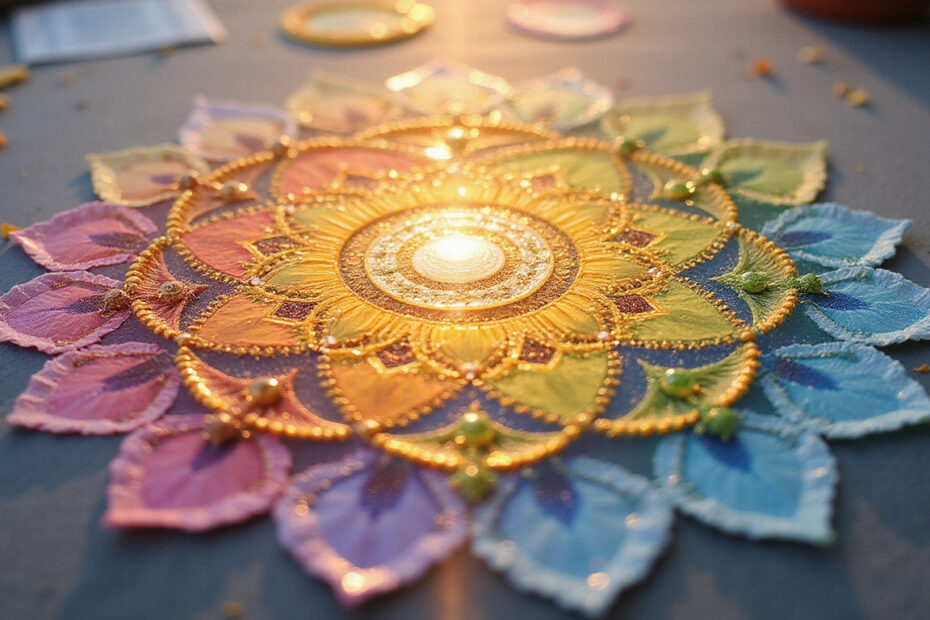
A mandala is a circular design organized around a central point, often filled with repeating patterns, shapes, and symbols. The word comes from Sanskrit and roughly means “circle” or “center.”
Across cultures, a mandala can be:
- A spiritual symbol for wholeness
- A meditation tool
- A geometric artwork or coloring pattern
- A personal reflection of your inner state
Because it’s both structured (the circle, symmetry, repetition) and creative (colors, patterns, textures), working with a mandala naturally engages your brain in a calming, focused way.
Why Mandala Art Helps With Focus and Anxiety
You don’t have to believe anything spiritual to gain benefits from mandala art. Several psychological and neurological principles are at play:
1. Repetition Calms the Nervous System
Filling in small repeated shapes or drawing lines again and again creates a rhythm. This predictable repetition:
- Gives your brain something simple and steady to focus on
- Reduces mental chatter by occupying working memory
- Encourages slow, regular breathing as your body synchronizes with the rhythm
Rhythmic, repetitive actions—like knitting, walking, or coloring—are known to be soothing because they help shift the nervous system from “fight or flight” towards “rest and digest.”
2. Structure Reduces Overwhelm
A blank page can feel intimidating when you’re anxious. A mandala gives you:
- Clear boundaries (the circle)
- A starting point (the center)
- A loose roadmap (patterned sections to fill)
This structure makes it easier to begin. Starting something small and manageable builds a sense of control that counters anxiety.
3. Visual Focus Supports Mindfulness
Mindfulness—staying present with what you’re doing right now—is one of the most studied approaches for reducing anxiety (source: American Psychological Association). Mandala art naturally encourages mindfulness by keeping your attention on:
- Color choice
- Brush or pencil pressure
- The shape you’re filling
- The symmetry of the design
Every time your attention drifts to worries, you can gently bring it back to the mandala in front of you.
Hack #1: The 10-Minute Mandala Reset for Busy Days
You don’t need an hour to feel calmer. Try this 10-minute practice when you’re overwhelmed:
-
Choose a Simple Mandala Page
Use a printed mandala coloring sheet or a basic circular pattern on your tablet. -
Set a 10-Minute Timer
Promise yourself you’ll stop when the timer goes off—this keeps it low-pressure. -
Pick Just Two or Three Colors
Limiting choices reduces decision fatigue. -
Breathe With Your Strokes
- Inhale as you choose a section
- Exhale as you color it in slowly
-
Focus on One Tiny Area at a Time
Don’t think about “finishing” the whole piece. Just complete each small section.
You’ll often notice:
- Shoulders dropping
- Jaw unclenching
- Thoughts slowing down
If you like, repeat the 10-minute reset later in the day and gradually build it into a micro-habit.
Hack #2: Use Color Psychology to Shape Your Mood
Your color choices in a mandala can subtly influence how you feel. You don’t have to follow rules, but being intentional can help:
- For calm and reduced anxiety: soft blues, greens, lavender, muted pastels
- For focus and mental clarity: cool blues, teals, crisp whites, and grays
- For energy and motivation: bright yellows, oranges, and warm reds (use sparingly if anxious)
A simple approach:
- Use cool colors near the center of your mandala to anchor calm.
- Add warmer colors near the outer edges for gentle energy and motivation.
Over time, you may notice personal color preferences. Let your body “choose” what feels good each day.
Hack #3: The Layered Mandala for Deep Focus
When you need to concentrate—on studying, planning, or problem-solving—try creating a layered mandala from scratch:
-
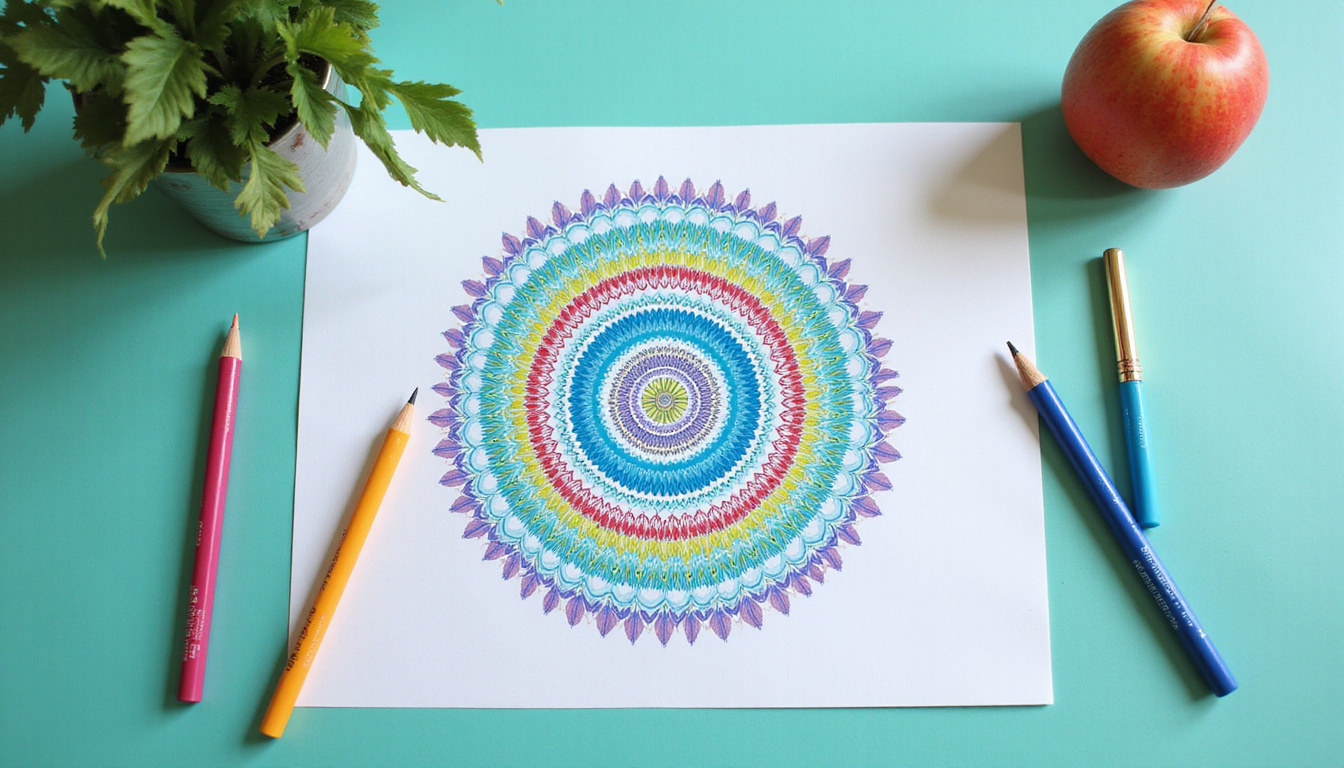
Draw a Circle
Use any round object (a cup, lid, or tape roll) as a guide. -
Divide the Circle
Lightly draw lines through the center to create 6–12 “slices,” like a pizza. -
Add Rings
Draw 3–5 concentric circles from the center outward. You now have a grid. -
Fill Each Ring With Simple Patterns
In each “slice,” draw repeated shapes: dots, triangles, petals, lines, or waves. -
Color in Quietly
Keep your attention on staying symmetrical and consistent.
This kind of hand-drawn mandala requires enough attention to fully engage your brain, which can help:
- Block intrusive thoughts
- Build sustained concentration
- Ease you into a deep-work mindset before starting a mentally demanding task
Use it as a “warm-up” ritual before exams, important meetings, or study sessions.
Hack #4: Turn Worries Into a Mandala
If anxiety is looping in your mind, try this quick cognitive-emotional hack:
-
Write Down Your Main Worries
On a scrap paper, jot a few short phrases that capture what’s bothering you. -
Assign a Symbol or Shape to Each Worry
For example:- Work stress = small squares
- Health worry = waves
- Relationship tension = broken lines
-
Draw a Simple Mandala Framework
A circle with a few rings or segments is enough. -
Fill the Mandala With Those Shapes
Place each shape around the circle, mixing them together. -
Color It With Intention
- Dark, heavy colors for intensity
- Lighter, brighter colors to symbolize healing or release
When you feel done, you can keep the mandala as a record of what you’ve processed—or tear it up or recycle it as a symbolic release. Either way, you’ve externalized your worries and transformed them into something you can see and work with.
Hack #5: Pair Your Mandala With Breath or Music
Mandala art becomes even more effective when combined with another calming input.
Option A: Breath-Paced Coloring
- Inhale for 4 counts as you choose an area.
- Exhale for 6 counts as you slowly fill it in.
- Repeat for 5–15 minutes.
This extended exhale pattern is known to calm the nervous system.
Option B: Focus-Boosting Music
Choose instrumental or ambient tracks (no lyrics, minimal changes in volume) and color your mandala while listening. The combination of:
- Steady sound
- Repetitive movement
- Visual focus
creates a multi-sensory “cocoon” of concentration that can help you enter a flow state more easily.
Hack #6: Use Mini Mandalas as “Anxiety Bookmarks”
Instead of reaching for your phone the moment you feel stressed, keep tiny mandala prompts nearby:
- Small cards with printed mini mandalas
- A pocket notebook with circles ready to fill
- A mandala coloring app on your tablet
Create a simple rule for yourself:
“When anxiety spikes, I complete one mini mandala before I decide what to do next.”
This pause:
- Interrupts impulsive reactions (doomscrolling, snapping at someone, etc.)
- Gives you a few minutes to breathe and re-center
- Helps you respond more thoughtfully to whatever triggered your stress
Hack #7: Build a Weekly Mandala Ritual
Consistency matters. A weekly mandala ritual can act like a reset button for your nervous system.
Try this:
-
Pick a Time and Place
For example, Sunday evening with soft lighting and a cup of tea. -
Gather Simple Supplies
- Printed or hand-drawn mandala
- 6–12 colored pencils or markers
- Optional: candle, calm playlist, or essential oil diffuser
-
Set a Gentle Intention
Something like, “This is 30 minutes for me to slow down and unwind.” -
Color Slowly, No Pressure to Finish
If your mind wanders, notice it and gently return to the shapes and colors.
Over a few weeks, your body will start to associate mandala time with safety, rest, and quiet focus—making it easier to slip into a calm state.
Simple Supplies to Get You Started
You don’t need fancy tools to benefit from the art of the mandala. Start with:
- Paper: printer paper, sketchbook, or a small notebook
- Drawing tools: pens, fine liners, or simple pencils
- Coloring tools: colored pencils, markers, or crayons
- Templates: free printable mandalas, adult coloring books, or simple circles you draw yourself
Digital options work too—many apps and tablets let you color or design mandalas with a stylus.
FAQs About Mandala Art for Stress and Focus
1. How does a mandala coloring page reduce anxiety?
A mandala coloring page combines structure and creativity. The repetitive, symmetrical patterns require just enough attention to pull your mind away from worries, while the act of coloring is rhythmic and soothing. This blend helps calm the nervous system and reduce everyday anxiety.
2. Is drawing a mandala better than using a pre-made design?
Both are useful. Drawing your own mandala engages more of your brain and can deepen focus, especially if you enjoy creating patterns. Using a pre-made mandala is easier and faster, making it ideal for quick anxiety relief. Many people like to alternate between the two depending on time and energy.
3. Can mandala art help with focus for ADHD or studying?
Mandala art can support focus for some people with attention challenges by providing a structured yet low-pressure task. It can be used as a warm-up before studying or as a short grounding break between tasks. It’s not a cure, but it can be a practical tool in a broader focus-support routine.
Using a mandala as a daily or weekly ritual is a simple, low-cost way to care for your mental health. You don’t need artistic talent, special training, or big blocks of time—just a circle, some colors, and a willingness to pause.
If you’re ready to experiment, choose one hack from this guide—a 10-minute mandala reset, a weekly ritual, or a worry-to-symbol exercise—and try it today. Pay attention to how your mind and body feel before and after. Then, build your own personalized mandala practice to boost focus, quiet anxiety, and bring a little more calm into your everyday life.