

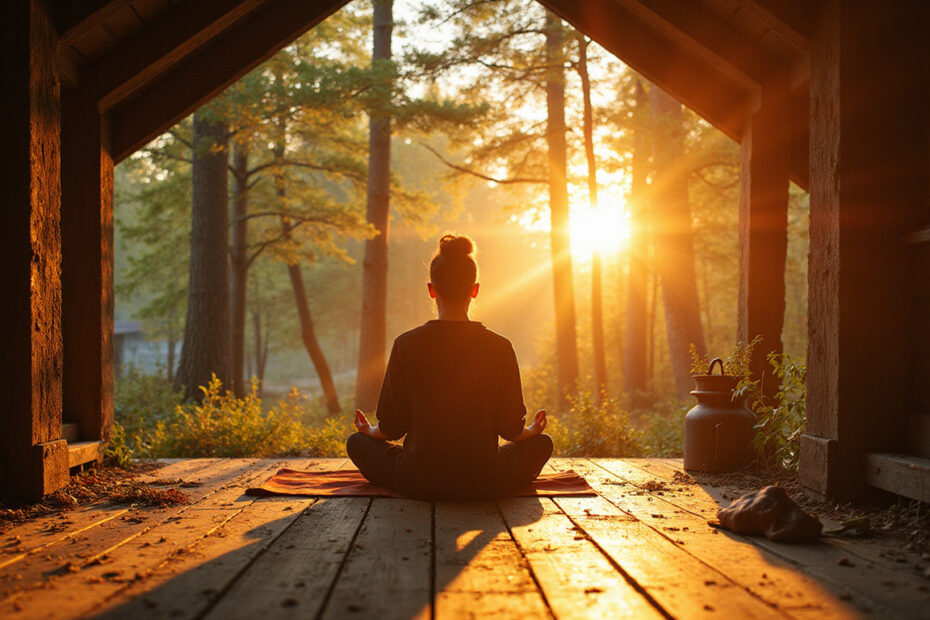
A silent retreat may sound extreme in a world buzzing with notifications, meetings, and constant chatter—but that’s exactly why it works. Taking even a weekend to step away from screens, conversation, and daily obligations can reset your nervous system, sharpen your thinking, and restore a sense of calm you may not realize you’ve lost.
Below, we’ll explore what a silent retreat is, why it’s so powerful for your brain, what actually happens during those quiet days, and how you can design your own weekend of silence—even at home.
What Is a Silent Retreat, Really?
A silent retreat is a dedicated period of time—often a weekend to a week—where you intentionally step away from:
- Verbal communication
- Digital devices
- Work and social obligations
The focus is usually on mindfulness, rest, and reflection rather than productivity. Some retreats are hosted at meditation or wellness centers with structured schedules; others are completely self-guided, such as quietly renting a cabin or staying home offline.
Common elements of a silent retreat include:
- No speaking (except for emergencies or short logistics)
- No phones, laptops, TV, or social media
- Simple meals
- Time for meditation, walks, journaling, or restorative yoga
This isn’t about punishing yourself with isolation—it’s about giving your brain the downtime it needs to function at its best.
Why Silence Is So Powerful for Your Brain
We tend to think of “rest” as sleep and “relaxation” as entertainment, but the brain has a third category it desperately needs: mental whitespace.
A silent retreat gives you that whitespace in several scientifically backed ways.
1. Your Brain Finally Stops Multitasking
Even when you’re not at work, your brain is constantly switching between messages, social media, background TV, and conversation. This rapid context switching drains your mental energy.
Silence and solitude reduce the number of inputs your brain has to process, allowing it to:
- Consolidate memories
- Integrate information
- Restore attention and focus
In other words, your mental “browser tabs” finally start to close.
2. Your Stress System Down-Regulates
Chronic noise and constant alerts keep your nervous system slightly activated all the time. Over days and weeks, that adds up to burnout, anxiety, and fatigue.
Several studies have found that quiet environments are linked to:
- Lower stress hormones (like cortisol)
- Reduced blood pressure and heart rate
- Improved mood and emotional regulation
One animal study even found that exposure to silence led to the growth of new brain cells in the hippocampus—the region involved in memory and emotion (source: NIH / NCBI).
While humans are more complex, the takeaway is clear: silence is not an absence of stimulation; it’s a powerful kind of nourishment.
3. Creativity and Insight Have Space to Emerge
When your brain isn’t constantly reacting, it can start connecting ideas in new ways. This is why some of your best ideas come in the shower or on a quiet walk.
A silent retreat extends that effect over an entire weekend, helping:
- Old problems suddenly seem solvable
- Long-ignored questions come to the surface
- New creative ideas emerge naturally
You’re not forcing brainstorming—you’re giving your mind the space to breathe.
What Actually Happens to You on a Silent Retreat
The idea may sound peaceful, but the experience can be surprisingly intense—especially in the first 12–24 hours.
The First Phase: Restlessness and Noise in Your Head
Once you put down your phone and stop talking, you’ll likely discover that the noise doesn’t stop—it just moves inside.
Common early experiences:
- Mental replaying of recent events and conversations
- Urges to “just check” your messages or email
- Discomfort with boredom or stillness
This is normal. You’re withdrawing from stimulation. Think of this as the “detox” phase.
The Second Phase: Emotional Clearing
As external stimulation quiets, suppressed thoughts and emotions may rise to the surface. You might:
- Remember things you’ve been avoiding
- Feel sadness, frustration, or grief
- Become aware of underlying anxiety or fatigue
This can feel uncomfortable, but it’s actually one of the most healing parts of a silent retreat. You’re finally giving your inner life space to be noticed.
The Third Phase: Clarity and Calm
If you stay with the process—no phone, no distractions—your mind usually starts to settle. Many people report:
- A sense of lightness or relief
- Sharper focus and slower, clearer thinking
- More compassion toward themselves and others
- A calm, grounded feeling that lingers afterward
In just a weekend, it’s common to feel like you’ve taken a mental deep breath for the first time in months.
How a Weekend Silent Retreat Recharges Your Brain
A weekend might not sound long, but even 48 hours can significantly reset your cognitive and emotional baseline.
Improves Attention and Focus
We’re used to fragmented attention, which makes sustained focus feel almost impossible. A silent retreat counters this by:
- Reducing constant interruptions
- Training you to sit with one activity at a time
- Refreshing your ability to sustain attention
Afterwards, many people notice it’s easier to focus on work tasks, deep reading, or creative projects.
Strengthens Self-Awareness
In everyday life, it’s easy to lose track of how you actually feel. In silence, you start to notice:
- How tired you are
- What really matters to you (and what doesn’t)
- Which habits and relationships are draining vs. nourishing
This clarity can lead to better decisions about work, boundaries, and self-care moving forward.
Supports Emotional Regulation
The downtime of a silent retreat allows your emotional system to recalibrate. You give yourself:
- Time to process lingering stress or hurt
- Space to feel emotions without suppression or distraction
- Practice in calming your own nervous system
Afterwards, you may find you’re less reactive and more resilient in daily life.

Designing Your Own Weekend Silent Retreat
You don’t need a monastery or expensive wellness center to experience the benefits. With some planning, you can create a powerful silent retreat on your own.
1. Choose Your Location
Options include:
- A quiet cabin or Airbnb
- A local retreat center offering silent weekends
- Your own home—if you can create enough solitude
If you’re staying home, consider:
- Letting family or housemates know your plan
- Asking for privacy or planning the retreat while they’re away
- Creating a few “silent zones” (bedroom, a cozy reading chair, a corner for meditation)
2. Set Clear Rules and Boundaries
Decide in advance:
- No talking (except emergencies or brief necessary logistics)
- No phone or internet (turn off devices or lock them away)
- No work or chores beyond essentials
- No TV, news, or podcasts
You can write these rules down and put them somewhere visible to reduce the temptation to modify them mid-retreat.
3. Create a Gentle Daily Structure
A silent retreat works best with some light structure—not a packed agenda. For example:
Morning
- Wake up without an alarm, if possible
- 10–20 minutes of simple meditation or breath awareness
- Light stretching or yoga
- Quiet breakfast
Midday
- Long walk in nature or around your neighborhood
- Reading something nourishing (not work-related)
- Journaling about anything that comes up
Afternoon / Evening
- Rest or nap
- Gentle movement (yoga, stretching, slow dancing alone)
- Reflection or gratitude journaling
- Early bedtime with no screens
You’re not trying to achieve anything. The goal is simply to be present with yourself.
4. Keep Food Simple and Supportive
You don’t need a special diet, but consider:
- Simple, whole foods that don’t require complex cooking
- Plenty of water and herbal tea
- Minimizing sugar and heavy, greasy foods that can make you feel sluggish
Preparing meals in advance can reduce decision-making during your silent retreat.
5. Expect Discomfort—and Stay With It
You’ll probably feel:
- Boredom
- Restlessness
- The urge to quit and check your phone
Instead of reacting, try noticing these urges with curiosity. Often, on the other side of that discomfort is the clarity and calm you’re seeking.
What to Do (and Not Do) During Your Silent Retreat
Here’s a simple guide to keep you oriented.
Helpful Activities
- Meditation or breath awareness
- Slow walks, especially in nature
- Journaling—stream-of-consciousness, gratitude, or reflections
- Gentle movement like yoga or stretching
- Creative expression (drawing, playing an instrument, crafting) without judgment
Things to Avoid
- Work of any kind
- Social media, email, and news
- Binge-watching or mindless entertainment
- Over-scheduling your time with “self-improvement” tasks
The most powerful part of a silent retreat is often the empty space, not the things you do.
Integrating the Benefits After Your Weekend
The goal isn’t to live in silence forever; it’s to bring some of that clarity and peace back into your regular life.
After your silent retreat:
- Reflect in writing: What did you notice about your mind, body, and emotions?
- Identify 1–3 changes you want to make (sleep, screen time, boundaries, etc.).
- Schedule mini-silent sessions: 10–30 minutes of daily silence, or a few hours every week with no devices or talking.
These small practices help maintain the “brain recharge” you experienced over the weekend.
FAQ About Silent Retreats
Is a silent meditation retreat necessary, or is regular quiet time enough?
You don’t need a formal silent meditation retreat to benefit from silence. Regular quiet time—like daily walks without your phone or short meditations—absolutely helps. However, a continuous weekend of silence amplifies the effects, giving your brain more time to reset deeply without being pulled back into daily habits.
Can a 3-day silent self retreat really make a difference?
Yes. A 2–3 day silent self retreat is often long enough for your mind to move through initial restlessness into deeper calm and clarity. It won’t “fix” everything, but it can break cycles of constant stimulation, reduce stress levels, and give you valuable insight into what you truly need going forward.
What if I feel anxious during a silent spiritual retreat?
Feeling anxious is common, especially at the beginning of a silent spiritual retreat, because you’re taking away your usual distractions. If anxiety arises, try grounding strategies: focus on your breath, notice physical sensations (feet on the floor, air on your skin), or take slow walks. If anxiety feels overwhelming, it’s okay to adjust the structure, speak briefly to a trusted person, or end the retreat. Your emotional safety comes first.
Ready to Try Your Own Silent Retreat?
If your mind feels overloaded, your patience is frayed, or your creativity has gone flat, a weekend silent retreat may be the reset you’ve been missing. You don’t need to travel far or spend a lot—just a commitment to step away, be with yourself, and let the noise finally fade.
Pick a weekend, block it off, and design your own simple, quiet container. Put your phone away, clear your schedule, and give your brain 48 hours of true rest. On the other side of that silence, you may find more clarity, focus, and peace than you thought possible—and a renewed sense of who you are beneath all the noise.