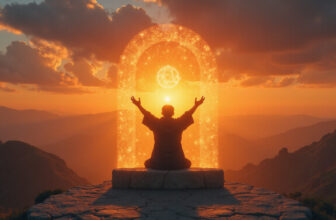


A vision quest is often imagined as a dramatic solo trip into the wilderness, but at its heart it’s a structured process of deep listening—to yourself, to nature, and to whatever you consider sacred. While the term comes from specific Indigenous traditions, the universal human impulse behind the vision quest—seeking clarity, purpose, and transformation—is something many people feel today. This guide explains what a vision quest is, how it works, and how to approach similar practices respectfully and safely.
What is a vision quest?
In its traditional context, a vision quest is a rite of passage practiced by various Native American and First Nations cultures. It typically involves:
- Time alone in nature
- Fasting or reduced food intake
- Prayer, ceremony, or ritual
- Guidance and supervision from elders or spiritual leaders
The purpose is to receive a vision—not necessarily a dramatic hallucination, but a deep insight, symbolic dream, or intuitive knowing about one’s life, role, or next step.
Modern spiritual seekers often use the phrase vision quest more broadly to describe a structured solo retreat in nature seeking clarity and transformation. If you’re drawn to this, it’s crucial to distinguish:
- Traditional Indigenous vision quests – Sacred, community-held ceremonies that are not “DIY” activities or wellness trends.
- Contemporary vision-quest-style retreats – Modern adaptations inspired by universal patterns of solitude, reflection, and nature connection.
Honoring this difference helps avoid cultural appropriation and shows respect to the communities from which the language originated.
The deeper meaning of a vision quest
Beyond the outward activity, a vision quest is about crossing a threshold—leaving your familiar identity for a time, entering a liminal space, and returning changed.
Common themes include:
- Identity – “Who am I really, beneath roles and expectations?”
- Purpose – “What is mine to do in this life?”
- Belonging – “How do I relate to community, ancestors, and the more-than-human world?”
- Surrender – “What happens when I stop controlling and start listening?”
These questions are not unique to any one culture; variations of the vision quest appear in monastic retreats, pilgrimages, walkabouts, and solitary fasts across the world (source: Harvard Divinity – Rites of Passage).
Core elements of a vision quest experience
While details vary, most vision quest-type experiences share a similar structure. Understanding these elements can help you decide if this path is right for you—and how to approach it with maturity and care.
1. Preparation and intention
A serious vision quest begins well before you step into the wilderness.
Key preparation steps often include:
-
Clarifying intention
Instead of “I want a mystical trip,” a grounded intention might be:- “I want to understand my next step in work or service.”
- “I want to grieve a loss and mark a new chapter.”
- “I want to deepen my relationship with the sacred.”
-
Physical and mental readiness
- Building basic fitness and outdoor competence
- Stabilizing mental health as much as possible
- Practicing meditation or journaling to strengthen inner steadiness
-
Ritual or community support
In traditional settings, elders or guides help you articulate your intention and prepare spiritually. In modern contexts, this may be a therapist, coach, or trained wilderness guide.
2. Severance: leaving ordinary life
The first phase of a vision quest is often called severance—intentionally stepping away from daily routines, devices, and roles.
This might involve:
- Turning off your phone and digital contact
- Saying goodbye to loved ones for a set time
- Participating in a small ceremony to mark your departure
This psychological “cutting of ties” helps your mind shift out of problem-solving mode and into a more receptive, symbolic, and intuitive state.
3. Threshold: solitude and fasting in nature
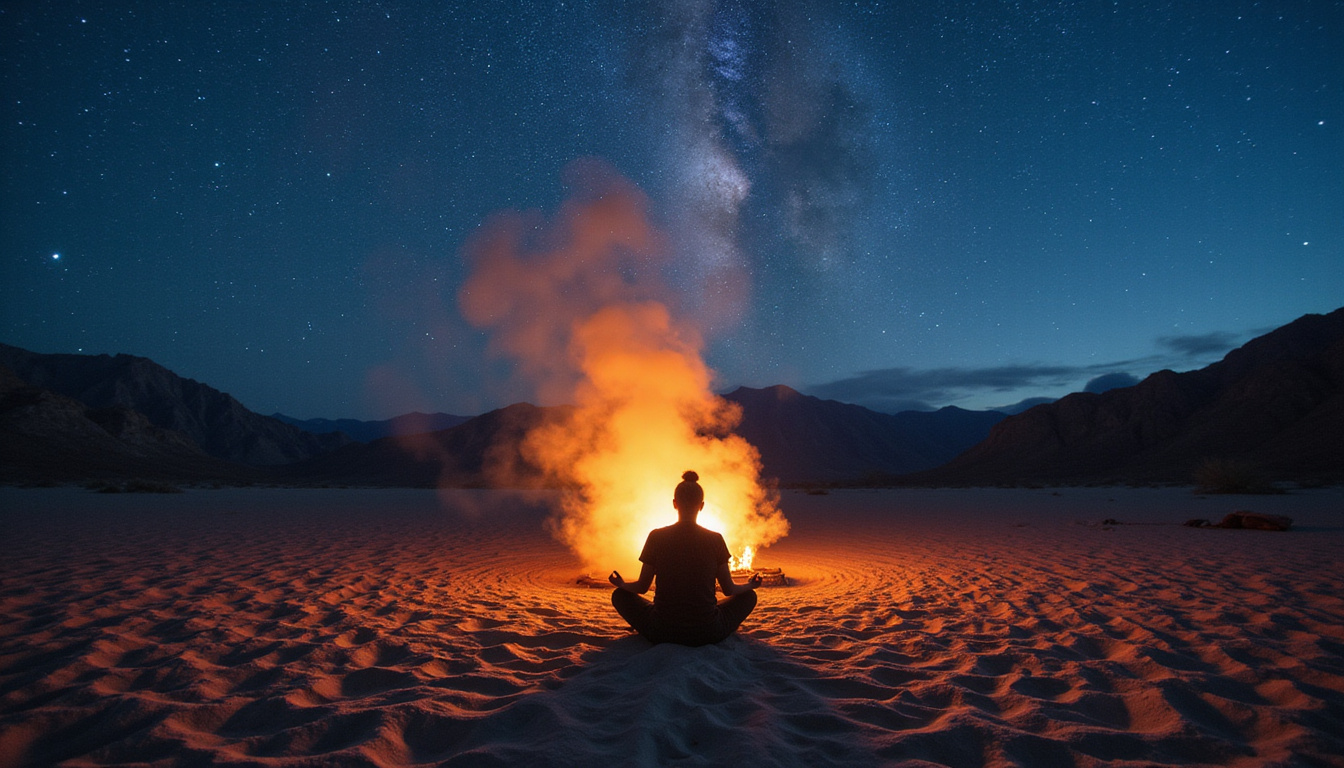
The threshold phase is what most people picture when they think of a vision quest: you alone, in nature, for a set period.
Common features:
- Solitude – You stay in a defined area, usually with no direct contact with others, though guides remain within reach for emergencies.
- Simple shelter – A tarp, lightweight tent, or natural shelter, emphasizing simplicity over comfort.
- Fasting or minimal food – Under safe conditions, many quests involve going without food or significantly reducing it to heighten awareness and humility.
- Silence and prayer/meditation – Speaking aloud may be replaced with journaling, prayer, or silent contemplation.
During this phase, you might:
- Notice old memories resurfacing
- Experience strong emotions without clear reasons
- Feel bored, scared, or ecstatic
- Receive symbolic dreams, inner imagery, or sudden clarity
The goal is not to “force” a vision but to stay present with whatever arises, trusting that meaning will emerge over time.
4. Incorporation: returning and integrating
A vision quest is not complete when you return from the wilderness; it’s complete when your life changes in response to what you’ve seen or understood.
The incorporation phase involves:
- Telling your story to a trusted guide, elder, therapist, or close friend
- Finding the symbols in your experience—animals, weather, dreams, phrases—and asking what they might represent
- Translating insights into commitments, such as:
- Changing how you work or what you prioritize
- Mending or releasing relationships
- Creating a new daily spiritual practice
- Taking concrete steps toward a long-resisted calling
Without this integration, a vision quest can remain a powerful but disconnected memory instead of a catalyst for real transformation.
How to approach a modern vision quest responsibly
If you feel called to a vision quest-like experience, you can do so in ways that honor both safety and cultural sensitivity.
1. Respect Indigenous traditions
- Avoid claiming that you are doing a “traditional” Native American vision quest unless you have been invited and guided by an appropriate community.
- Be wary of commercial retreats that borrow Indigenous language, outfits, or rituals without clear accountability to those communities.
- Consider learning about and supporting Indigenous-led organizations in your area.
2. Prioritize safety and mental health
A genuine transformative experience does not require you to ignore common sense or health needs.
Minimum safety guidelines:
- Inform someone exactly where you will be and when you’ll return.
- Have an agreed emergency plan and check-in system with a guide or friend.
- Carry adequate water, warm clothing, and essential gear.
- If you have a history of serious mental illness, work closely with a qualified professional before attempting a vision quest-style retreat; intense solitude and fasting can aggravate certain conditions.
3. Start small if you’re new
You don’t need to begin with a four-day solo fast. You might:
- Take a one-day solo retreat in a nearby natural area with no phone, food, or tasks—just a journal and water.
- Expand to overnight solos after developing more outdoor competence.
- Join a reputable guided program with a clear track record, transparent safety practices, and respect for Indigenous traditions.
A simple framework for a personal “mini quest”
If you’d like to try a modest, accessible version of a vision quest experience, consider this one-day framework. It won’t replace a traditional rite of passage, but it can support meaningful reflection.
-
Clarify your question
- “What is ending in my life?”
- “What wants to begin?”
- “How can I live more honestly?”
-
Prepare a safe place in nature
- A local park, forest, or beach you know well
- Let a friend know when you’re going, where you’ll be, and when you’ll return
-
Simplify for the day
- Leave your phone off or in airplane mode
- Bring only water, simple food if needed, a journal, and weather-appropriate clothing
-
Create a threshold moment
- Before starting, say aloud: “I’m stepping out of my ordinary life for this day to listen.”
- You might mark a circle on the ground or choose a symbolic object (stone, feather, branch) to carry with you.
-
Alternate movement and stillness
- Walk slowly, paying attention to details
- Sit in one spot for at least an hour, noticing everything—sounds, sensations, emotions, thoughts
-
Listen for symbols and patterns
- Any animal that appears repeatedly
- Changes in weather that match your emotional state
- Phrases or images that keep returning to your mind
-
Close with gratitude and commitment
- Before leaving, thank the place and the day in your own words.
- At home, write: “Based on what I experienced, I commit to…” and name one concrete change.
This kind of mini-quest can be repeated periodically as a way to stay in dialogue with your deeper self.
Common misconceptions about vision quests
Because the idea of a vision quest is powerful and romantic, it’s surrounded by myths. Understanding what it is not can help prevent disappointment or harm.
-
Myth: It must involve extreme suffering.
Reality: Discomfort is part of the process, but intentionally pushing yourself into danger or trauma is not necessary and can be counterproductive. -
Myth: You’ll receive a clear, cinematic vision.
Reality: Many people experience subtle shifts, simple images, or quiet certainties rather than dramatic visions. The power is often in the long-term integration, not the immediate fireworks. -
Myth: Anyone can lead a vision quest after trying it once.
Reality: Safe, ethical guiding requires deep training in wilderness skills, psychological processes, and often cultural context. Be cautious of self-declared “shamans” or guides without transparent qualifications. -
Myth: A vision quest will fix everything.
Reality: It can offer clarity and reorientation, but you still need ongoing work—therapy, community, honest conversations, and daily practice.
FAQ about vision quest practices
1. What is a vision quest in spirituality terms?
In contemporary spirituality, a vision quest is a structured period of solitude and reflection, usually in nature, where you temporarily leave ordinary life to seek insight, guidance, or a sense of calling. It’s inspired by ancient rites of passage but can be adapted in respectful, personal ways that suit your beliefs and circumstances.
2. How long does a vision quest usually last?
Traditional rites vary, but many well-known forms involve three to four days of solitude and fasting, bookended by days of preparation and integration. Modern versions range from single-day solo retreats to multi-day guided quests; longer is not automatically better—what matters most is intention, safety, and thorough integration afterward.
3. Can I do a personal vision quest at home or in my local area?
You can absolutely create a personal vision quest-style retreat close to home—such as a phone-free day in a local park or a backyard overnight vigil. While this won’t replicate the depth or community container of traditional ceremonies, it can still foster insight and spiritual growth if you treat it as sacred time, prepare thoughtfully, and follow up with real changes in your life.
Stepping toward your own transformative experience
If you feel drawn toward a vision quest, that longing itself is meaningful. It may be your psyche or spirit signalling that you’re ready to:
- Release an old identity
- Acknowledge a turning point
- Listen more closely to what life is asking of you
You don’t have to rush into an extreme experience. Begin by clearing small spaces in your life for solitude, honest reflection, and nature connection. Study the traditions with humility, support Indigenous communities where you can, and seek out experienced, ethical guides if you choose a fuller quest.
Most importantly, let any insight you receive reshape how you live—how you work, love, rest, and contribute. A true vision quest is not about escaping your life; it’s about returning to it more awake, aligned, and ready to walk your path with courage.
If you’re ready, choose a date in the next month for a simple, intentional retreat—no phone, no distractions, just you, your questions, and the living world around you. Mark it on your calendar today, and let that commitment be your first step across the threshold of spiritual transformation.