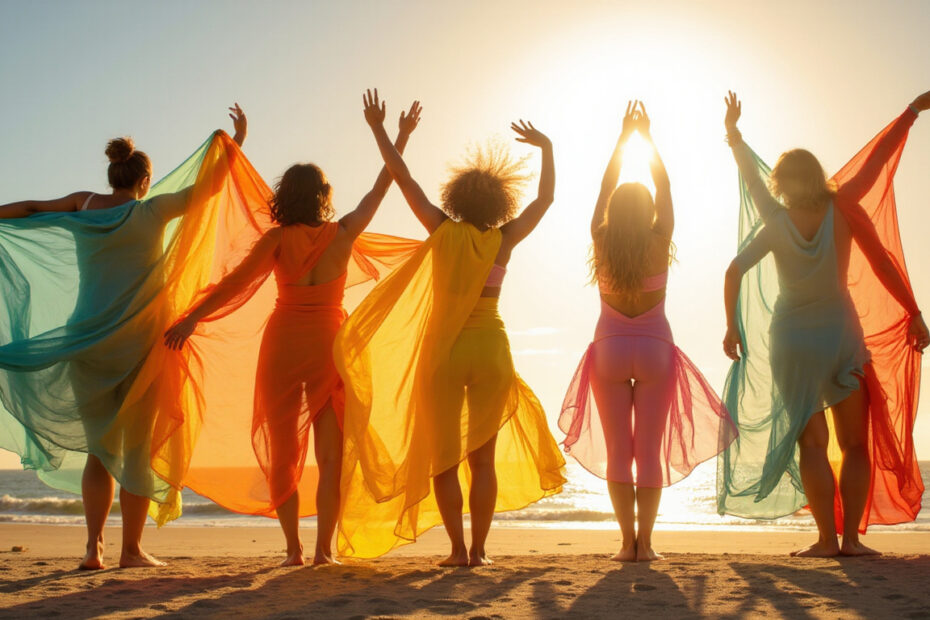
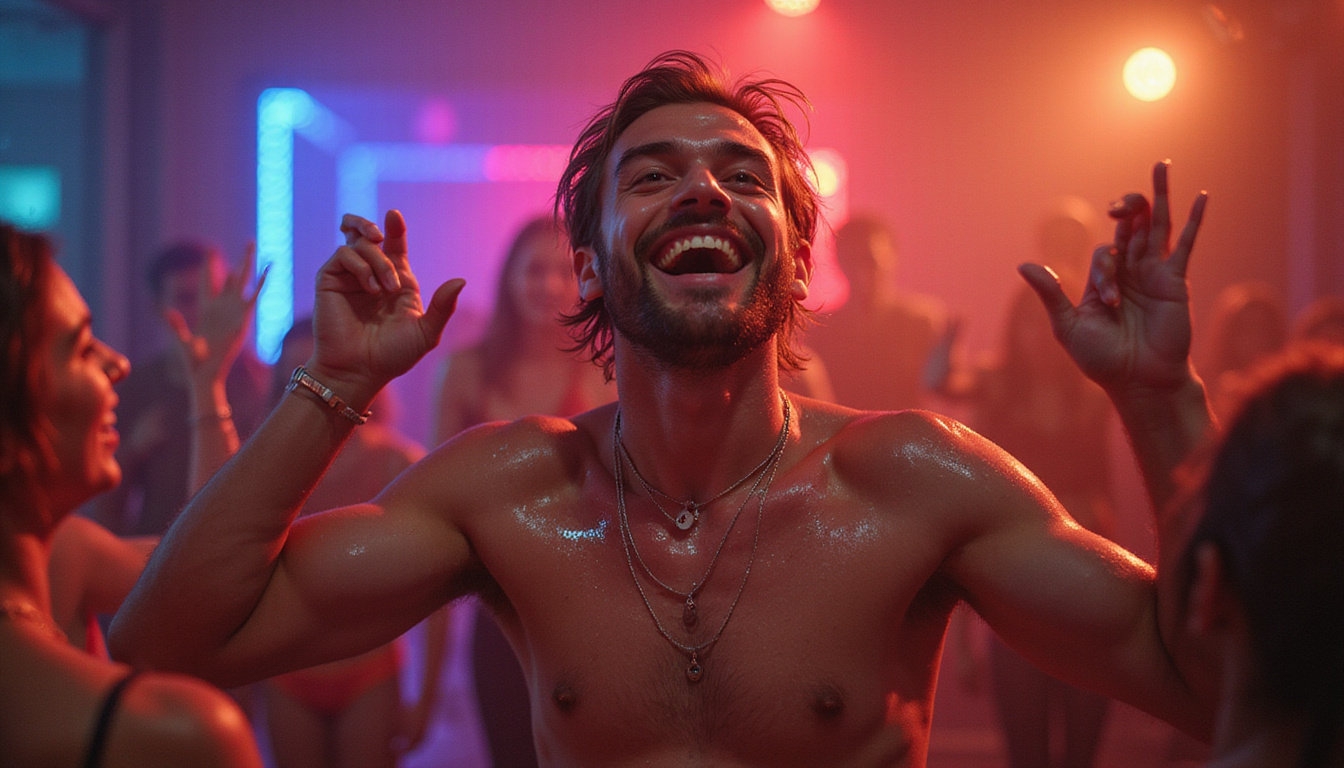
Ecstatic dance is more than just moving your body to music—it’s a whole-body, whole-heart experience that can unlock radical joy, emotional release, and a deeper connection to yourself and others. Rooted in ancient ritual yet thriving in modern studios, warehouses, and beaches, ecstatic dance has become a powerful practice for people seeking freedom beyond traditional fitness or club culture.
This guide walks you through what ecstatic dance is, how it works, why it feels so transformative, and how you can start—no matter your age, fitness level, or dance experience.
What Is Ecstatic Dance?
At its core, ecstatic dance is a free-form, improvised dance practice where you move however you naturally feel—without choreography, verbal instruction, or judgment. It usually happens in a safe, sober, and often sacred-feeling environment, guided by a DJ or playlist that builds through different emotional and energetic waves.
Most ecstatic dance communities follow a few simple principles:
- No talking on the dance floor
- No drugs or alcohol
- No phones or cameras
- Respect for your own and others’ boundaries
- Move however you want—no “right” or “wrong” way
This framework creates a container where you can drop out of your thinking mind and into your body, letting movement and breath guide you instead of social expectations or performance pressure.
The Roots of Ecstatic Dance: Ancient Practice, Modern Form
Although the term “ecstatic dance” feels contemporary, the core idea—using rhythm and movement to enter expanded states of awareness—is ancient. Many cultures have traditions of trance dance, ritual movement, and ceremonial drumming:
- Sufi whirling, a meditative spinning practice used to experience divine union
- West African drumming and dance, which often invite communal catharsis and celebration
- Indigenous ceremonial dances used for healing, rites of passage, or connecting with the sacred
Modern ecstatic dance draws inspiration from these practices, as well as from:
- 5Rhythms (Gabrielle Roth’s movement meditation practice)
- Contact improvisation
- Authentic movement
- Conscious clubbing and sober dance communities
The result is a new yet timeless container: a social, spiritual, and somatic practice where dance and breath become vehicles for healing, presence, and joy.
How an Ecstatic Dance Session Usually Flows
Every community has its own flavor, but most ecstatic dance journeys follow a similar arc. A typical 90–120 minute session might look like this:
-
Opening circle or arrival
Participants gather, sit or stand in a circle, and the facilitator shares guidelines, intentions, and perhaps a short grounding meditation or breath practice. -
Warm-up phase
The music starts slowly—ambient, downtempo, or gentle world beats. This is your time to stretch, sway, and wake up your body without pressure. -
Build and peak
The tempo and intensity rise gradually. Rhythms become more dynamic, inviting bigger, more expressive movements. This is where you might sweat, shout (if the space allows), and access emotional release or euphoria. -
Integration and cool-down
After the peak, the music softens. You might find yourself on the floor, in subtle movements, or lying still, letting sensations and insights settle. -
Closing circle
The group gathers again. There may be silence, a simple check-in, a short meditation, or group acknowledgement, sealing the practice.
Nothing is forced. You’re always in choice: you can sit, stretch, or simply breathe if you don’t feel like dancing. The “journey” is about listening to your body more than following a routine.
Why Ecstatic Dance Feels So Transformative
1. It Gets You Out of Your Head and Into Your Body
Most of us live in a constant mental loop—planning, judging, analyzing. Ecstatic dance interrupts that loop by giving the body center stage. Without set steps or a mirror to critique yourself in, you can:
- Reconnect with physical sensations
- Notice tension and let it move or shake out
- Experience presence, moment by moment
This kind of embodied awareness is a core element in many somatic therapies and mindfulness practices (source: American Psychological Association).
2. It Creates a Safe Space for Emotional Release
The combination of rhythm, breath, and free-form movement can unlock emotions stored in the body: grief, anger, joy, fear, or relief. Because there are no rules about how you “should” move, these emotions can surface and land safely.
You might find yourself:
- Crying on the dance floor without knowing why
- Laughing uncontrollably during an intense track
- Feeling old tensions shake or tremble away
In a supportive ecstatic dance environment, all of this is welcome—as long as you respect others’ space and consent.
3. It Supports Nervous System Regulation
Ecstatic dance naturally moves you through different states of arousal and rest:
- Gentle warm-up = safe activation
- High-energy peak = release of built-up stress or adrenaline
- Slow cool-down = return to rest, integration, and grounding
Paired with conscious breathing, this wave-like structure can support your nervous system in completing stress cycles, leaving you calmer and more regulated afterward.
4. It Fosters Genuine Connection—Without Small Talk
One of the most surprising benefits of ecstatic dance is the sense of community it creates. You share an intense, vulnerable experience with others—without needing words. Eye contact, shared rhythms, and non-verbal interaction can feel more authentic than surface-level conversation.
Many people report:
- Feeling seen and accepted as they are
- Experiencing a sense of belonging
- Meeting friends or partners in a more honest way than typical social settings
The Role of Breath in Ecstatic Dance
Breath is the invisible partner to movement. It can shape your entire ecstatic dance experience.
Using Breath to Go Deeper
By consciously working with your breath, you can:
- Energize: Use deeper, faster breathing during high-intensity tracks to fuel your movement.
- Ground: Slow, extended exhales during emotional waves to stay rooted and safe.
- Open: Breathe into tight areas (like chest, jaw, hips) while moving to invite release.
Some facilitators weave in brief breathwork segments—like circular breathing or simple box breathing—to help participants drop more fully into their bodies.
Simple Breath Practices to Try While Dancing
Try these during your next ecstatic dance session:
- 4–6 Breathing: Inhale silently for 4 counts, exhale for 6. Supports relaxation and grounding.
- Sigh Breath: Inhale through the nose, long audible sigh out the mouth. Supports emotional release.
- Wave Breath: Imagine inhaling from your feet to your head, exhaling from head to feet. Supports full-body awareness.
What to Expect at Your First Ecstatic Dance
If you’re new, walking into your first ecstatic dance can feel both thrilling and intimidating. Here’s how to navigate it with ease.
Before You Go
- Wear comfortable clothes you can sweat and move freely in.
- Bring water and possibly a small towel.
- Arrive early so you can settle in and hear the opening guidelines.
- Come with an intention, like “I want to feel more free,” or “I’m here to release stress.”
During the Dance
- Start small: gentle swaying, walking, stretching. There’s no rush.
- Stay curious about your body instead of judging how you look.
- Remember: no one is watching you; everyone is immersed in their own journey.
- If you feel overwhelmed, step to the side, sit, or lie down to breathe.
After the Session
- Drink plenty of water.
- Give yourself quiet time to integrate—journal, walk, or simply rest.
- Notice how your body and mood feel the next day: lighter, calmer, more alive?
Simple At-Home Ecstatic Dance Ritual
You don’t need a studio or a facilitator to enjoy ecstatic dance. You can create your own mini-ritual at home.
-
Set your space
Clear a small area, dim the lights, light a candle or incense if you like. -
Choose a playlist
Pick 30–60 minutes of music that builds, peaks, and softens. You can search for “ecstatic dance mix” on streaming platforms. -
Begin with stillness
Stand or sit, close your eyes, and take a few deep breaths. Set an intention. -
Let the music move you
Start subtly and let your body lead. No mirrors, no self-critique, no choreography. -
Close intentionally
End lying on the floor or seated in silence. Place a hand on your heart, thank your body, and notice how you feel.
Who Is Ecstatic Dance For?
Ecstatic dance is accessible to almost anyone:
- All ages and body types
- All fitness levels
- People with no dance training at all
- People who feel “awkward” or shy about dancing
You don’t need to be flexible, coordinated, or experienced. If you can move—even a little—you can participate. Many dancers modify movements for injuries or physical limitations. The point is not performance; it’s presence.
That said, if you have specific health concerns (cardiovascular conditions, recent surgeries, certain mental health conditions), it’s wise to consult a healthcare professional before engaging in intense physical or emotional practices.
Tips to Get the Most from Ecstatic Dance
- Drop comparison. Your dance doesn’t need to look like anyone else’s.
- Stay with discomfort—gently. If embarrassment or self-consciousness arise, notice them, breathe, and keep moving softly instead of shutting down.
- Honor your “yes” and “no.” If someone invites connection and you’re not up for it, a simple hand to heart and a smile is a clear, kind “no, thank you.”
- Integrate regularly. Notice patterns: Do you always stay small? Always push hard? Use those insights off the dance floor too.
Quick Benefits of Ecstatic Dance (At a Glance)
Many regular dancers report:
- Reduced stress and anxiety
- Greater body confidence
- Improved mood and emotional resilience
- Increased creativity and spontaneity
- Stronger sense of community and belonging
- Deeper connection to intuition or spirituality
While research on ecstatic dance specifically is still emerging, studies on dance, movement therapy, and embodied practices consistently show positive impacts on mental health, mood, and social connection (source: APA).
FAQ: Ecstatic Dance and Related Practices
Q1: What happens in an ecstatic dance class, and how is it different from a regular dance class?
In an ecstatic dance class, there’s usually no choreography or step-by-step instruction. Instead of learning moves, you’re invited to explore your own movement, guided by music and sometimes short prompts. You can sit, lie down, or rest at any time. Traditional classes focus on technique or performance; ecstatic dance focuses on expression, presence, and personal experience.
Q2: Is ecstatic dancing spiritual or religious?
Ecstatic dancing can feel spiritual because it often brings a sense of connection, awe, or transcendence, but it’s not tied to any specific religion. Some events are very neutral and secular; others incorporate ritual elements, like opening circles, intention-setting, or references to the sacred. You’re free to interpret the experience through your own beliefs—or simply enjoy it as a powerful mind-body practice.
Q3: Can conscious dance help with anxiety or emotional stress?
Yes, many people find that conscious, free-form dance practices like ecstatic dance help them relieve tension, move through anxiety, and process emotions more effectively. Moving the body, breathing deeply, and releasing through rhythm can support nervous system regulation and emotional resilience. It’s not a substitute for professional therapy, but it can be a valuable complementary tool, especially when practiced in safe, supportive spaces.
Step Onto the Dance Floor and Unlock Radical Joy
If something in you longs for more freedom, more embodiment, or more genuine connection, ecstatic dance is a simple, powerful doorway. You don’t need perfect moves, special gear, or a certain personality. You only need a body, a breath, and a willingness to let the music move you.
Find a local ecstatic dance, invite a few friends to join you, or clear your living room and start with a single song. Let yourself be messy, wild, tender, quiet—whatever is true in the moment.
The radical joy you’re seeking isn’t out there in a flawless performance or a perfect image; it’s already in your body, waiting to be shaken loose, felt fully, and danced into life.