
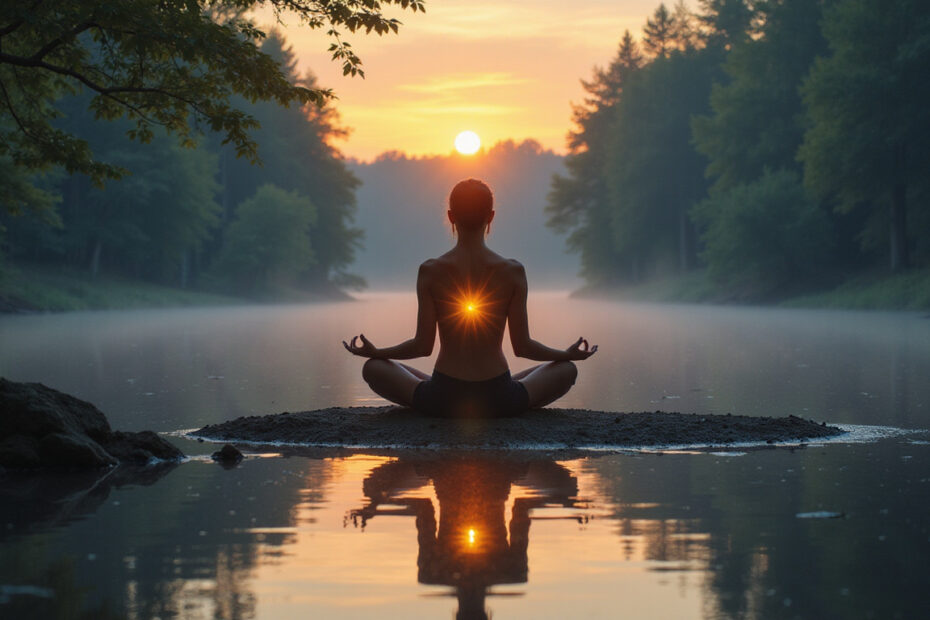
Anxiety can feel like a constant hum in the background of your life—always there, always draining. heartfulness meditation offers a simple, heart-centered way to quiet that noise and shift from scattered worry to calm, sustained focus. Unlike purely mind-based practices, heartfulness gently guides your awareness into the heart, helping you release emotional turbulence while staying clear and alert.
This approach is practical, secular, and can be done in just a few minutes a day. Below you’ll find step-by-step heartfulness meditation techniques, how they work on anxiety, and how to make them a sustainable part of your routine.
What Is heartfulness Meditation?
heartfulness is a form of meditation that centers awareness in the heart rather than the head. You don’t need to adopt a new belief system or complex rituals. At its core, heartfulness involves:
- Gently focusing on the heart, often visualizing it as a source of light.
- Allowing thoughts and feelings to come and go without struggle.
- Using guided relaxation, meditation, and “cleaning” techniques to release emotional heaviness.
- Cultivating qualities like calm, compassion, and clarity that support focus.
While rooted in an ancient meditative tradition, heartfulness has been adapted for modern life, making it accessible for people dealing with stress, anxiety, and digital overload.
Why Anxiety and Focus Are So Closely Linked
When you’re anxious, your attention splinters:
- Your mind jumps from one worry to the next.
- Minor tasks feel overwhelming.
- Long-term goals seem unreachable because your mental energy is constantly hijacked by “what if” scenarios.
This scattered attention is the opposite of calm focus. Anxiety activates the brain’s threat circuits, reduces working memory, and makes it harder to filter distractions. Meditation practices like heartfulness can help regulate this response by:
- Downshifting from “fight-or-flight” to “rest-and-digest.”
- Training the mind to settle on one object—such as the feeling of the heart.
- Building emotional resilience so you can notice worries without being pulled into them.
Research on meditation in general shows reduced anxiety and improved attention and emotional regulation in regular practitioners (source: National Center for Complementary and Integrative Health).
Core Principles of heartfulness for Anxiety Relief
Before diving into techniques, it helps to understand three key principles that make heartfulness effective against anxiety:
-
Heart-Centered Awareness
Instead of analysing worries in your head, you rest awareness in the heart. This shifts you from overthinking into sensing, which often feels quieter and safer. -
Gentle Allowing, Not Suppression
heartfulness doesn’t ask you to force your mind blank. Thoughts and emotions are allowed to pass like clouds; your job is simply to keep returning—gently—to the heart. -
Subtle “Cleaning” of Emotional Load
A hallmark of heartfulness is “cleaning”: a guided process where you imagine stress, heaviness, and old impressions leaving your system. This can feel like taking a mental shower at the end of the day.
A Simple heartfulness Relaxation to Start Your Practice
If anxiety is high, begin with relaxation before formal meditation. This prepares the body and nervous system.
Step-by-step heartfulness relaxation (5–10 minutes):
-
Find a comfortable posture
Sit or lie down in a position where your back is straight but not stiff. Let your hands rest loosely. -
Scan the body from feet to head
Close your eyes. Bring attention to your feet. Gently suggest to yourself: “My feet are relaxing; they feel light and free.” Move slowly upward: calves, knees, thighs, hips, abdomen, chest, shoulders, arms, hands, neck, and face. -
Release tension with the breath
Wherever you sense tightness, imagine the breath moving into that area as you inhale, and tension melting away as you exhale. -
Settle in the heart
Once your body feels more relaxed, bring attention to the center of your chest. Don’t look for anything special. Just notice this area as gently as you can.
This relaxation alone, done daily, can reduce physical symptoms of anxiety such as muscle tension, rapid heartbeat, or shallow breathing.
The Core heartfulness Meditation: From Worry to Inner Softness
This main practice takes about 20–30 minutes and is usually done in the morning. It helps gradually transform anxiety into a quieter, steadier state.
1. Take your seat and intention
- Sit comfortably, eyes closed, spine naturally aligned.
- Silently set a simple intention:
“I am meditating to feel calm and connected in my heart.”
2. Focus softly on the heart
- Rest your attention in the center of your chest.
- Imagine a gentle source of light deep in the heart—subtle, soft, not blinding. You might think: “There is a light in my heart, attracting me inward.”
- Don’t try to see the light; just have a faint idea of it.
3. Let thoughts come and go
- Thoughts and worries will appear; that’s natural.
- When you notice you’re lost in thought, simply return attention to the light in the heart—no self-criticism, no struggle.
- Think of thoughts as background noise while your main interest stays with the heart.
4. Stay with the feeling, not the image
- Over time, the image may fade and be replaced by a feeling: lightness, softness, or quiet.
- Allow that feeling to deepen. This is where anxiety begins to unwind; your nervous system learns that being still in the heart is safe.
5. Gently return
- After 20–30 minutes, slowly become aware of your body and surroundings.
- Open your eyes. Take a few deep breaths and move gradually into your next activity.
Practiced consistently, this heartfulness meditation can make your baseline state less anxious and your mind more naturally focused.

The “Cleaning” Technique: Releasing the Day’s Anxiety
Anxiety often accumulates over the course of the day: stressful conversations, deadlines, social media, bad news. The heartfulness cleaning practice is usually done in the evening to clear this buildup.
How to do heartfulness cleaning (15–20 minutes):
-
Sit comfortably and close your eyes.
-
Set an inner suggestion
Silently say:
“The stress, heaviness, and emotional impressions I have accumulated today are leaving me.” -
Visualize release from the back
Imagine all heaviness—like grey smoke, mist, or weight—gently moving out from your back, especially between the shoulder blades and spine, and dissolving into space. -
Maintain a neutral attitude
You don’t need to recall specific events. Let the process be general. If thoughts about your day appear, allow them to pass while maintaining the intention of release. -
Finish with lightness in the heart
After 10–15 minutes, think:
“A pure, light, and calm condition is settling in my heart.”
Sit with this feeling for a few more minutes.
People often describe feeling mentally “lighter” after cleaning, with reduced worry before sleep and a clearer mind in the morning.
Using heartfulness to Transform Anxiety into Focus During the Day
You don’t have to wait for a full session. You can use mini heartfulness techniques whenever anxiety spikes—before a meeting, exam, or difficult conversation.
A 2-Minute heartfulness Reset
-
Pause and notice your breath.
Take one slow, deep breath in, and a long exhale out. -
Shift awareness to the heart.
Gently place a hand on your chest if that helps. -
Recall the inner light.
For a few breaths, quietly remember: “There is a peaceful light in my heart.” -
Choose one next step.
From this calmer place, decide on the single next action you will take. This trains your mind to move from anxious overthinking to focused, purposeful behavior.
Building a Sustainable heartfulness Routine
Consistency is more important than duration. Even 10–15 minutes daily can create noticeable change. Here’s a simple structure:
-
Morning (10–30 minutes):
Relaxation + heartfulness meditation on the heart. -
Evening (10–20 minutes):
Cleaning to release the day’s stress and anxiety. -
As needed (1–3 minutes):
Mini heartfulness resets before stressful events.
To make it stick:
- Attach it to existing habits:
Meditate right after brushing your teeth, or before your morning coffee. - Keep expectations realistic:
Some days will feel peaceful, others restless. The progress is in returning, not in having a “perfect” session. - Track changes:
Note in a journal how your anxiety and focus levels shift over weeks, not days.
Common Obstacles—and How heartfulness Handles Them
“My mind is too busy to meditate.”
Busy minds are exactly what heartfulness is for. The goal isn’t to stop thoughts, but to gently train attention to favor the heart instead of the worries.
“I feel restless or emotional when I sit.”
As you slow down, buried stress can surface. Cleaning and regular practice help this energy move through instead of staying stuck.
“I don’t ‘see’ any light in my heart.”
Visualization is optional. It’s enough to have a subtle idea of lightness or softness there. What matters is the feeling, not a vivid mental image.
How heartfulness Supports Long-Term Focus
As anxiety decreases, your capacity for deep, sustained focus grows. heartfulness supports this in several ways:
- Less mental clutter: Cleaning reduces the emotional residue that crowds your attention.
- Improved emotional regulation: Heart-centered awareness makes it easier to notice and release reactions before they spiral.
- Greater inner stability: Over time, you become less reactive to external stressors and more anchored in a quiet inner state.
- Enhanced clarity: Regular contact with a calm heart-state often leads to clearer priorities and decisions.
Many practitioners report that tasks that once felt overwhelming—studying, complex projects, creative work—become more manageable because their inner noise is lower.
FAQ: heartfulness and Anxiety
1. How is heartfulness different from mindfulness for anxiety?
Mindfulness typically involves observing thoughts, sensations, and emotions as they arise. heartfulness also includes observation, but it emphasizes resting awareness in the heart and using specific techniques like cleaning to actively release accumulated stress. Both can reduce anxiety; heartfulness may feel especially suitable if you resonate with a gentle, heart-centered focus.
2. Can heartfulness meditation help with chronic anxiety or panic?
heartfulness can be a supportive tool for chronic anxiety by calming the nervous system and providing emotional grounding. However, it is not a substitute for professional treatment. If you experience panic attacks, severe anxiety, or other mental health conditions, it’s important to work with a qualified healthcare provider and use heartfulness as a complementary approach.
3. How long does it take for heartfulness techniques to improve focus?
Some people notice a sense of calm even after the first few sessions. More stable improvements in focus usually emerge over weeks of regular practice. Aim for at least 10–20 minutes a day for 4–6 weeks, and observe changes in how easily you return to tasks, handle distractions, and recover from stressful events.
Take the Next Step: Let heartfulness Become Your Daily Anchor
You don’t have to live at the mercy of anxious thoughts or scattered attention. By bringing awareness gently into your heart each day, you create a space that is quieter than your worries and stronger than your stress.
Begin with one simple commitment: set aside a few minutes today to try heartfulness relaxation and a short heart-focused meditation. Then, experiment with the cleaning technique this evening. Notice even small shifts—slower breathing, softer shoulders, a little more mental space.
With consistent practice, heartfulness can evolve from a technique you use when you’re anxious into a dependable inner anchor—one that steadily transforms anxiety into calm, clear focus, and helps you meet your life with more steadiness, courage, and ease.