Neurotheology: How Brain Science Is Changing Spiritual Experiences Forever
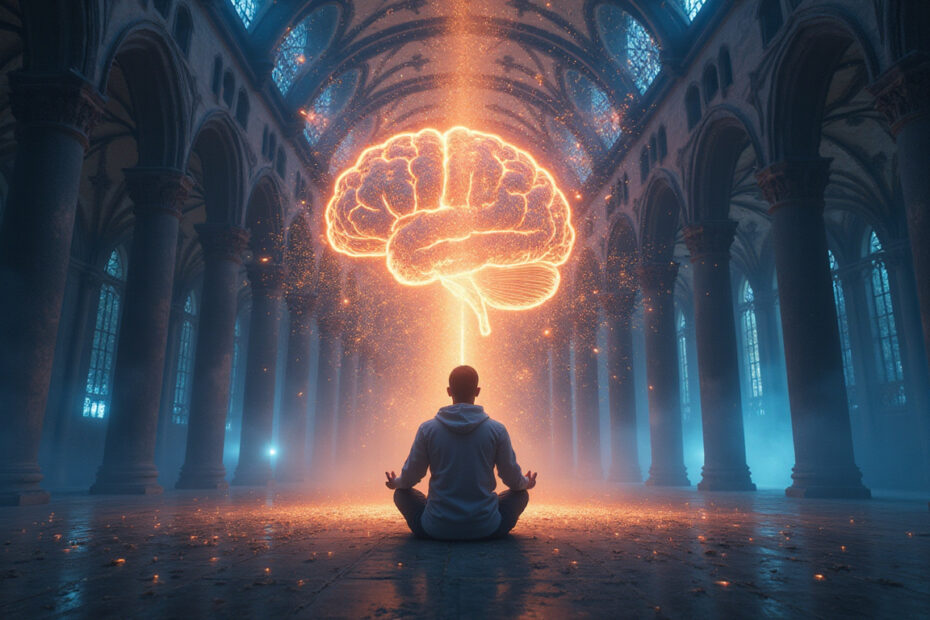
Neurotheology is a fast-growing field that explores how the brain creates, shapes, and responds to religious and spiritual experiences. By combining neuroscience, psychology, and theology, researchers are beginning to map what happens in the brain during prayer, meditation, mystical visions, and deep states of awe—and the results are transforming how we think about spirituality, faith, and even the nature of reality.
In this article, you’ll learn what neurotheology is, how it works, what scientists are discovering, and why it matters for believers, skeptics, and curious seekers alike.
What Is Neurotheology?
Neurotheology—sometimes called the neuroscience of religion—is the study of how the brain relates to spiritual and religious experiences. It doesn’t try to “prove” or “disprove” God. Instead, it asks:
- What brain regions are active when people pray, meditate, chant, or worship?
- How do spiritual practices change the brain over time?
- Why do certain experiences feel sacred, transcendent, or holy?
The core idea: our experiences of the divine always pass through the brain. To understand spirituality in human life, we need to understand what’s happening in the nervous system when people feel connected to something greater than themselves.
A Brief History of Neurotheology
The roots of neurotheology go back further than many realize:
- 19th century: Early neurologists noticed that seizures or brain injuries sometimes produced intense religious visions or personality changes tied to faith.
- 1960s–1980s: Psychedelic research and altered-states studies hinted that brain chemistry could dramatically shift spiritual perception.
- 1990s: Brain imaging technologies like fMRI and SPECT scans allowed scientists to watch the living brain in real time during prayer and meditation.
- 2000s–today: Neurotheology matured into a recognizable field, with conferences, books, and dedicated research labs around the world.
Researchers like Dr. Andrew Newberg, one of the pioneers of modern neurotheology, have scanned the brains of monks, nuns, meditators, atheists, and ordinary people during spiritual practices. Their findings are reshaping conversations about faith and consciousness (source: National Institutes of Health).
What Happens in the Brain During Spiritual Experiences?
When you pray deeply, meditate, chant, or feel profound awe, your experience feels internal and personal. But neurotheology shows that these states are also physical processes involving specific networks in the brain.
Key Brain Regions Involved
-
Frontal Lobes (especially the prefrontal cortex)
- Involved in attention, planning, concentration, and self-control.
- During focused prayer or meditation, this area often becomes more active, reflecting sustained attention and intention.
-
Parietal Lobes (orientation association area)
- Help you distinguish where “you” end and the rest of the world begins.
- In deep meditation or mystical states, researchers often see reduced activity here. People describe feeling “one with everything” or losing the sense of a separate self.
-
Limbic System (amygdala, hippocampus, etc.)
- The emotional center of the brain.
- Powerful spiritual moments—reverence, awe, fear of the divine, intense love—often light up these regions.
-
Default Mode Network (DMN)
- A set of brain areas active when your mind wanders or you think about yourself.
- Many contemplative practices quiet the DMN, which fits with reports of less self-talk, less ego, and more present-moment awareness.
Why It Matters
These patterns help explain why spiritual states often have similar qualities across cultures:
- A sense of unity or oneness
- Deep peace or joy
- Reduced sense of individual self
- Heightened meaning and significance
Neurotheology suggests that while beliefs and symbols differ around the world, the brain mechanisms of spiritual experience have a shared human foundation.
Does Neurotheology “Explain Away” God?
A common worry is that if neurotheology can describe the brain basis of religion, it somehow disproves spiritual reality. But that’s not what the science shows—or even aims to show.
There are two main interpretations:
- Reductionist view: Spiritual experiences are nothing more than brain activity. The sense of God or transcendence is a neural illusion.
- Integrationist view: The brain is a receiver or interface for spiritual reality. Just as the eye doesn’t “explain away” light, the brain doesn’t cancel out the possibility of the divine; it’s how we perceive it.
Neurotheology itself doesn’t decide between these views. It simply describes how experiences occur in the brain, not whether what is experienced is “real” in a metaphysical sense.
For many people of faith, neurotheology actually deepens wonder: if God or the sacred is real, then of course it would shape and be reflected in the brains of those who connect with it.
How Spiritual Practices Physically Change the Brain
One of the most important findings from neurotheology is that regular spiritual practice can literally reshape the brain over time—a process called neuroplasticity.
Studies on long-term meditators, contemplative nuns, and devout practitioners of many traditions show:
-
Thickening in attention and emotional regulation areas
Long-term practice is linked to structural changes in the prefrontal cortex and insula, which can improve focus, compassion, and emotional balance. -
Improved stress response
Prayer and meditation often reduce activity in stress-related regions and lower measurable stress markers like cortisol. -
Stronger connections in empathy circuits
Practices that emphasize love, compassion, or devotion can strengthen brain networks involved in understanding others and feeling connected to them. -
Reduced reactivity in the amygdala
Over time, spiritual disciplines can help people respond less reactively to fear and threat, aligning with many traditions’ teachings about peace and trust.
This doesn’t mean spirituality is just “brain training,” but it does show that faith and practice leave a lasting imprint on the nervous system.
Neurotheology Across Different Traditions
While the term “neurotheology” is relatively new, its subject—religious and spiritual states—spans the entire human family. Researchers have studied:
-
Christian prayer and contemplative practices
Rosary prayer, centering prayer, and monastic contemplation show characteristic patterns of focused attention and quiet self-awareness. -
Buddhist and Hindu meditation
Mindfulness, loving-kindness, mantra repetition, and nondual awareness practices each have distinct but overlapping brain signatures. -
Islamic prayer and Sufi dhikr
Ritual prayer (salat) and remembrance practices (dhikr) engage both rhythmic movement and focused devotion, integrating body, emotion, and attention. -
Jewish davening and mystical practices
Rhythmic swaying prayer and Kabbalistic meditations combine cognitive focus, embodied movement, and sacred imagery. -
Indigenous and shamanic rituals
Drumming, dance, chanting, and altered states—sometimes with plant medicines—show intense limbic and sensory activation, often paired with a sense of connection to ancestors or spirits.
Although the symbols and languages differ, neurotheology reveals recurring patterns: focused attention, altered self-perception, rich emotion, and a sense of broader connection.
The Role of Psychedelics in Neurotheology
Recent research into psychedelic substances—such as psilocybin (magic mushrooms), LSD, and DMT—has re-energized neurotheology. Many participants report experiences that sound strikingly like traditional mystical encounters:
- Ego dissolution or loss of self
- A sense of unity with all life or the universe
- Encounters with a divine presence or ultimate reality
- Lasting increases in life meaning, gratitude, and spiritual openness
Brain scans show that psychedelics temporarily disrupt normal patterns, especially within the default mode network, which can open the door to radically different perceptions of self and world.
Neurotheology doesn’t claim these experiences are “fake” or “real” in a theological sense. Instead, it asks:
- How do these states compare to spontaneous or meditative mystical experiences?
- Why do they lead some people to lasting spiritual changes?
- Can they be used safely to treat depression, addiction, and existential distress?
The answers are still emerging, but they’re quickly reshaping both science and spirituality.
Practical Takeaways: How Neurotheology Can Help You
You don’t need to be a scientist to benefit from neurotheology. Understanding how your brain engages with the sacred can enrich your everyday life.
Here are practical ways neurotheology insights can guide your spiritual journey:
-
Choose practices that fit your brain style
- If you’re very analytical, structured prayers, study, or guided meditations may help quiet mental noise.
- If you’re more emotional or artistic, music, chanting, or embodied rituals might open deeper experiences.
-
Be consistent, not perfect
- Lasting brain changes come from regular practice, even in small doses.
- Ten minutes of daily prayer, meditation, or gratitude can be more powerful than occasional intense retreats.
-
Use your body as an ally
- Slow breathing, posture, and gentle movement all affect brain states.
- Many traditions intuitively use bowing, kneeling, swaying, or walking as ways to support spiritual focus.
-
Expect ups and downs
- Just as physical training has good and bad days, so does spiritual practice.
- Understanding the brain’s variability can reduce guilt or discouragement.
-
Integrate, don’t compartmentalize
- The more parts of your brain engaged—thought, emotion, body, imagination—the more vivid and stabilizing spiritual experiences tend to be.
Critiques and Limitations of Neurotheology
Like any field, neurotheology has limitations:
-
Correlation, not causation
Brain scans show what lights up, but they don’t fully explain why an experience happens or what it ultimately means. -
Small, selective samples
Many studies focus on committed monks, nuns, or serious meditators, not everyday people. -
Risk of oversimplification
Reducing complex spiritual lives to “frontal lobes and dopamine” can miss the depth, community, and ethical dimensions of faith. -
Cultural bias
Early research emphasized Western and Buddhist contexts more than indigenous or non-literate traditions.
Despite these issues, neurotheology remains a valuable tool—best used alongside, not instead of, philosophy, theology, and lived spiritual wisdom.
FAQ: Common Questions About Neurotheology
1. What is neurotheology in simple terms?
Neurotheology is the scientific study of how the brain and nervous system are involved in religious and spiritual experiences. It looks at what happens in the brain when people pray, meditate, worship, feel awe, or sense a connection with something greater than themselves.
2. Can neurotheology prove or disprove God?
No. Neurotheology can show how spiritual experiences appear in the brain, but it cannot decide whether God or the sacred is ultimately real. It can describe the neural correlates of spiritual states, but questions about the existence of God belong to philosophy, theology, and personal conviction.
3. How is neurotheology used in real life?
Neurotheology research informs mindfulness and compassion programs, spiritual direction, pastoral care, and even therapies for anxiety, depression, and addiction. By understanding how practices like prayer and meditation change the brain, people can intentionally design spiritual routines that support mental health and deeper meaning.
The Future of Faith in a Neurotheological Age
As brain science advances, neurotheology will keep uncovering how deeply our spiritual lives are entwined with our biology. For some, this will challenge old assumptions; for others, it will confirm long-held intuitions that prayer, meditation, ritual, and worship truly transform us from the inside out.
Whether you see spiritual experiences as expressions of divine reality, products of evolution, or some mysterious combination of both, one thing is clear: understanding the brain doesn’t make these experiences less important. If anything, it highlights just how finely tuned human beings are for meaning, connection, and transcendence.
If you’re curious where your own brain and spirit might meet, begin experimenting: commit to a simple daily practice—prayer, meditation, gratitude, sacred reading, mindful walking—for the next 30 days. Observe how your mind, emotions, and sense of connection shift. Then, if you’d like help designing or deepening a practice rooted in both ancient wisdom and modern neurotheology, reach out to a knowledgeable teacher, community, or spiritual director. Your brain is wired for the sacred; the next step is yours.