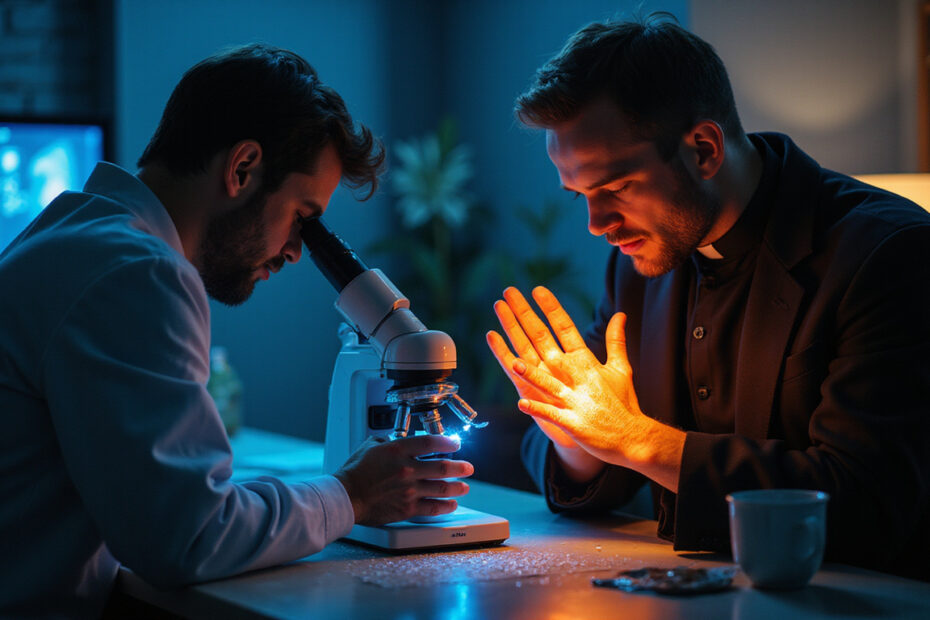
Faith healing is a topic that sits at the crossroads of spirituality, medicine, psychology, and culture. For some, faith healing represents deeply meaningful experiences of comfort and even recovery. For others, it raises concerns about false hope or delayed medical care. Understanding what it is, what science says, and how to approach it responsibly can help you make informed, balanced decisions for yourself or someone you love.
What Is Faith Healing?
At its core, faith healing is the belief that a higher power—God, the divine, or spiritual forces—can bring about physical, emotional, or mental healing, often in response to:
- Prayer
- Laying on of hands
- Religious rituals or sacraments
- Participation in healing services or sacred spaces
While closely associated with Christian traditions, faith healing practices appear in many religions worldwide, including Islam, Hinduism, Buddhism, Indigenous beliefs, and New Age spiritual paths. The specifics differ, but the shared conviction is that spiritual or supernatural forces can influence health outcomes.
Importantly, faith healing can mean different things to different people:
- Miraculous cure: A dramatic improvement thought to be beyond medical explanation.
- Gradual improvement: A perceived betterment over time alongside or even without medical treatment.
- Inner healing: Emotional peace, acceptance, or relief from fear and anxiety, even if the physical condition persists.
Common Types of Faith Healing Practices
Faith healing can be highly structured or very personal. Some of the most common forms include:
-
Individual Prayer
People pray alone or with family, asking for healing or strength. This is the most widespread and often the most private form. -
Intercessory Prayer
Others—family, friends, clergy, or entire congregations—pray on behalf of the person who is ill. -
Laying on of Hands
A minister, elder, or spiritual healer places hands on or near the person’s body while praying or invoking divine help. -
Religious Rituals and Sacraments
- Anointing with oil
- Special healing services or masses
- Pilgrimages to shrines believed to be associated with miracles
-
Spiritual Healers or Mediums
In some traditions, recognized healers claim spiritual gifts or connections that enable them to channel healing power.
What Does Science Say About Faith Healing?
Scientific research treats faith healing mainly as part of a broader category: religion, spirituality, and health. Researchers typically ask:
- Does prayer or spiritual practice affect health outcomes?
- How do belief and community support influence recovery and coping?
- Are there measurable physiological effects associated with faith practices?
Intercessory Prayer Studies
One of the most-discussed areas involves randomized studies on intercessory prayer (praying for someone at a distance, often without their knowledge). Results have been:
- Mixed and inconclusive: Some studies show small positive effects, others show no difference, and a few show slightly negative outcomes.
- A large, well-known trial, the STEP study, found no overall benefit of intercessory prayer and noted that people who knew they were being prayed for had slightly more complications, possibly due to performance anxiety or expectations (source: Harvard Medical School / STEP study summary).
Scientists generally conclude:
- There is no reliable evidence that distant prayer predictably improves medical outcomes beyond placebo and normal variation.
- Faith healing framed as a guaranteed alternative to medical treatment is not supported by high-quality data.
Placebo, Expectation, and Meaning
However, that’s not the end of the story. Decades of research on placebo and mind-body interaction show:
- Belief and expectation can influence symptoms such as pain, fatigue, and nausea.
- Positive expectations can trigger measurable brain and body changes, including release of endorphins and alterations in stress hormone levels.
- Feeling supported and cared for can reduce anxiety, which itself affects heart rate, blood pressure, and immunity.
Faith healing often takes place in emotionally charged, supportive environments, with powerful rituals and community encouragement. From a scientific point of view, several mechanisms may be at play:
- Stress reduction through prayer, meditation, and trust in a higher power
- Enhanced coping with illness due to meaning-making (“My suffering has purpose”)
- Social support from religious communities
- Placebo-like effects from strong expectations of help or cure
These mechanisms do not require supernatural explanations to have real impact on how people feel and function.
Faith Healing Versus Conventional Medicine
The most important line to draw is this:
- Faith healing can complement medical treatment.
- Faith healing should not replace medically necessary care.
Ethical and medical organizations, including major religious bodies, often stress this balance. Many faith traditions encourage believers to:
- Pray and seek spiritual comfort
- Use the best available medical care
- See medicine as a gift or tool that can work together with faith
Problems arise when:
- Serious conditions (like cancer, diabetes, or infections) are treated only with prayer or rituals while proven medical interventions are refused.
- Parents deny children necessary medical care due to beliefs about faith healing.
- People are told they lack faith if they remain ill or if treatment “fails,” leading to guilt and shame.
Real-Life Testimonials: Hope, Complexity, and Caution
Testimonials are a powerful part of faith healing culture. You may hear stories like:
- A tumor appearing to shrink after a healing service
- Long-standing pain vanishing during prayer
- Emotional trauma easing after a spiritual intervention
Some key considerations when hearing or sharing such stories:
-
Spontaneous Remission Happens
Many illnesses, especially pain conditions, autoimmune flares, or even some cancers, can improve without clear explanation. If improvement follows a healing event, it’s natural to link the two—but timing alone does not prove cause. -
Medical Treatment May Be Working
When faith healing is used alongside medicine, improvements may be fully or partly due to treatments, changes in lifestyle, or earlier therapy. -
Misdiagnosis and Incomplete Information
In some cases, the original diagnosis was wrong or less severe than believed, or follow-up imaging and records are missing, making claims hard to verify. -
Psychological and Emotional Healing Is Real
Even if physical conditions persist, people may legitimately experience less anxiety, more peace, or relief from depression. That is a genuine form of healing, though different from a “cure.”
Testimonials can be inspiring and meaningful, but they are not the same as controlled evidence. Use them as stories of possibility, not guarantees or prescriptions.

Potential Benefits of Faith Healing (When Used Responsibly)
For many, integrating faith healing into their health journey brings genuine benefits:
- Emotional resilience: Faith-based hope can reduce despair and fear.
- Sense of meaning: Seeing illness within a spiritual framework can ease existential distress.
- Community connection: Congregations often provide meals, visits, practical help, and emotional support.
- Mind-body calming: Prayer, chanting, and meditation can lower stress, similar to other relaxation techniques.
These benefits show why faith healing remains important in people’s lives—it can address aspects of suffering that medicine alone cannot fully reach.
Risks and Red Flags to Watch For
Faith healing becomes dangerous when it encourages denial of reality or abandonment of needed care. Be alert to red flags:
- Being told to stop medications or abandon treatments without consulting your doctor.
- Claims that a particular healer, ritual, or object guarantees a cure.
- Pressure not to discuss medical issues with professionals or loved ones.
- Blaming you for being sick (“You don’t have enough faith,” “There’s secret sin”) when healing does not occur.
- Requests for large sums of money in exchange for healing promises.
No ethical spiritual leader should discourage standard medical care for serious conditions or make you feel guilty for being ill.
When to Seek Medical Help (and How to Combine Both)
You should always seek professional medical care when you:
- Have sudden, severe, or unexplained pain
- Experience difficulty breathing, chest pain, or signs of stroke
- Notice high fever, spreading infection, or uncontrolled bleeding
- Face a chronic disease like diabetes, heart disease, cancer, or serious mental illness
Faith and medicine can work together. Here’s how to integrate them:
- Tell your healthcare provider about your spiritual beliefs and practices.
- Ask if there are any conflicts between your spiritual rituals and your treatment plan.
- Involve chaplains, clergy, or spiritual counselors as part of your support system.
- Use prayer or faith rituals for comfort while following medically advised treatments.
- If unsure, seek a second medical opinion rather than defaulting solely to faith healing.
How to Approach Faith Healing Wisely
If faith healing is part of your life or you’re considering it, these guidelines can help you approach it in a grounded way:
- Stay informed: Learn the medical facts about your condition from reliable sources.
- Avoid either-or thinking: You can believe in divine help and still use doctors, medications, and surgery.
- Set realistic expectations: Frame faith healing as seeking comfort, strength, and the best possible outcome—not as a guaranteed cure.
- Protect the vulnerable: Ensure children, elders, or those unable to decide for themselves get appropriate medical attention.
- Prioritize safety: If a spiritual advisor’s guidance conflicts with basic medical safety, seek additional counsel.
FAQ: Common Questions About Faith Healing
1. Is faith healing real or just placebo?
Faith healing is “real” in the sense that many people genuinely experience comfort, reduced anxiety, and sometimes symptom changes during or after spiritual practices. Scientific studies suggest that expectation, stress reduction, and social support—often labeled “placebo effects”—can have measurable impacts on pain and well-being. However, consistent, miracle-level cures for serious diseases through faith healing alone are not supported by strong scientific evidence.
2. Can faith and modern medicine work together for spiritual healing?
Yes. Many people find that combining prayer, ritual, or other spiritual practices with conventional treatment leads to a deeper sense of spiritual healing—inner peace, acceptance, and meaning—while still addressing physical illness medically. Hospitals increasingly involve chaplains and spiritual care providers as part of holistic treatment teams.
3. How do I talk to my doctor about religious healing practices?
Be open and specific. You might say, “My faith is important to me, and I’m considering faith healing practices like prayer or laying on of hands. Is there anything I should know about how this might interact with my treatment?” Most clinicians respect patients’ beliefs and can help you integrate religious healing safely, as long as needed medical therapies are not delayed or stopped.
Moving Forward: Using Faith Healing as Support, Not a Substitute
Faith healing touches some of the deepest human questions about suffering, hope, and meaning. For many, it offers comfort, community, and a sense of connection to something greater than themselves. Science suggests that these dimensions—belief, support, and reduced stress—can genuinely influence how you experience illness, even if they do not reliably cure disease.
The wisest path is not to reject faith healing outright or to embrace it blindly in place of medicine, but to see it as one supportive layer in a comprehensive approach to health.
If you or someone you love is navigating illness and considering faith-based approaches, take the next step today: reach out to a trusted healthcare professional and a thoughtful spiritual advisor, and explore how both can collaborate in your care. By combining informed medical decisions with the strength of your beliefs and community, you give yourself the best chance at not just living longer—but living with deeper peace, purpose, and wholeness.