

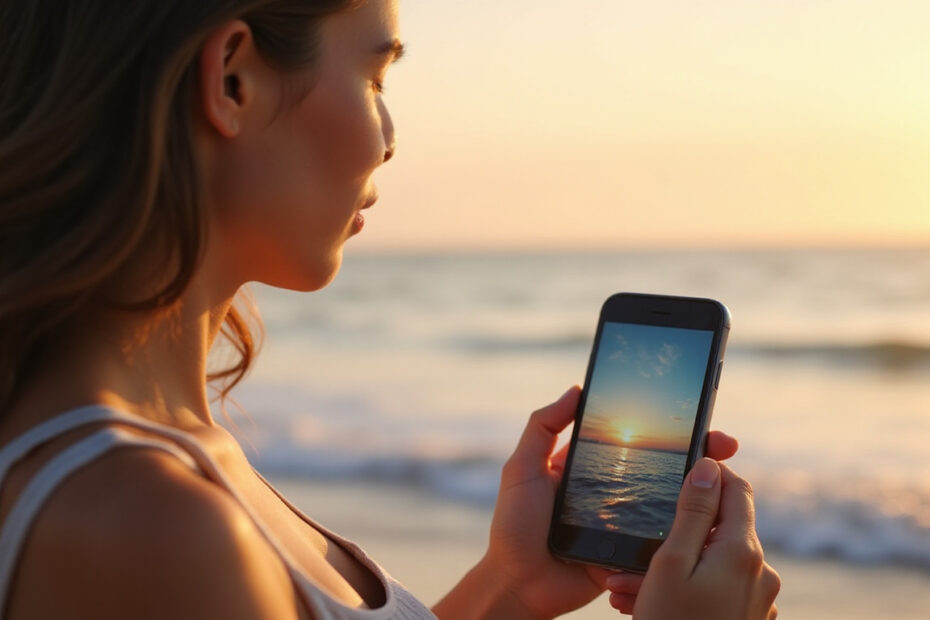
Meditation apps have gone from niche tools to everyday companions for millions of people trying to manage stress and anxiety. But with so many options and so much hype, it’s fair to ask: do they actually work, and how do you turn them into real, anxiety-reducing daily habits instead of one-week experiments?
This guide breaks down the science behind meditation and anxiety, how meditation apps fit into that picture, and practical, simple routines you can start today.
How meditation calms an anxious brain
Anxiety is more than “feeling stressed.” It involves:
- A hyperactive amygdala (your brain’s threat detector)
- Runaway thoughts and worry loops
- Physical reactions like a racing heart and shallow breathing
Meditation, especially mindfulness-based practices, has been shown to:
- Reduce activity in the amygdala
- Strengthen the prefrontal cortex (the “CEO” part of your brain that regulates emotions)
- Lower stress hormones like cortisol
- Improve attention and emotional regulation
Large studies of mindfulness meditation show reduced anxiety symptoms, sometimes comparable to standard treatments when done consistently (source: National Center for Complementary and Integrative Health).
Meditation apps essentially package these evidence-based practices into short, guided sessions you can access anytime, anywhere.
Why meditation apps work for real people (not just monks)
In theory, you could meditate without technology. In practice, many people find it hard to:
- Know what to do
- Stay consistent
- Track their progress
- Deal with boredom, doubt, or restlessness
Meditation apps help bridge that gap by offering:
-
Guided audio sessions
A teacher talks you through breathing, focus, and what to do with wandering thoughts. This makes it easier, especially when you’re anxious and your mind feels noisy. -
Short, structured programs
Many apps have beginner tracks, anxiety-focused courses, and 7–30 day challenges, so you’re not guessing what to do next. -
Reminders and habit cues
Notifications help turn meditation into a regular behavior instead of a one-off experiment. -
Progress tracking
Seeing streaks, total minutes, or completed sessions reinforces your effort and keeps you coming back. -
On-demand “emergency” tools
When anxiety spikes, a 3–10 minute guided exercise in your pocket can be a concrete, immediate way to respond.
Core types of practices you’ll find in meditation apps
Most mainstream meditation apps include a handful of core practices that are particularly helpful for anxiety:
1. Mindfulness of breath and body
You focus on breathing or physical sensations:
- Noticing air moving in and out
- Feeling your feet on the floor
- Observing tension and softening it
This trains you to stay in the present and step out of rumination and “what if” thinking.
2. Body scan meditations
You move your attention slowly from your toes to your head, noticing and relaxing each area. This can:
- Reduce muscle tension
- Improve mind–body awareness
- Help with sleep-related anxiety when done in bed
3. Loving-kindness (compassion) meditations
You silently repeat phrases of goodwill toward yourself and others. For anxious people, this can soften harsh self-criticism and increase emotional resilience.
4. Grounding and breathing for panic and spikes of anxiety
Short sessions (3–10 minutes) that:
- Slow your breathing
- Use counting or phrases to steady your mind
- Ground you through senses (seeing, hearing, touch)
These are particularly useful during stressful events, difficult conversations, or before big presentations.
Building simple, science-backed daily habits with meditation apps
The best meditation app is the one you’ll actually use. Instead of chasing features, focus on building a routine that fits your life and nervous system.
Start tiny: 3–5 minutes is enough at first
Your brain responds better to consistency than intensity. For anxiety, meditation works more like daily brushing than an occasional deep clean.
A simple starter structure:
- Days 1–7: 3–5 minutes per day
- Weeks 2–3: 5–10 minutes per day
- Weeks 4+ : 10–15 minutes per day, if it feels helpful
If you’re highly anxious or restless, very short sessions can feel more doable and less intimidating.
Anchor meditation to existing habits
Instead of “I’ll meditate sometime today,” link your meditation app usage to a daily anchor:
- After brushing your teeth in the morning
- During your commute (if you’re not driving)
- After lunch, before checking messages
- As a pre-sleep wind-down in bed
Habit equation:
When I [existing habit], I will [open my meditation app and do a 3–10 minute session].
Use the app’s tools strategically
To get the most out of any meditation app, try:
- Turn on daily reminders at a realistic time.
- Download a few sessions for offline use so you’re not blocked by bad reception.
- Bookmark or favorite your go-to anxiety sessions for easy access.
- Use “emergency” tracks when anxiety spikes, even if you’ve already meditated that day.
A practical 10-minute daily routine to reduce anxiety
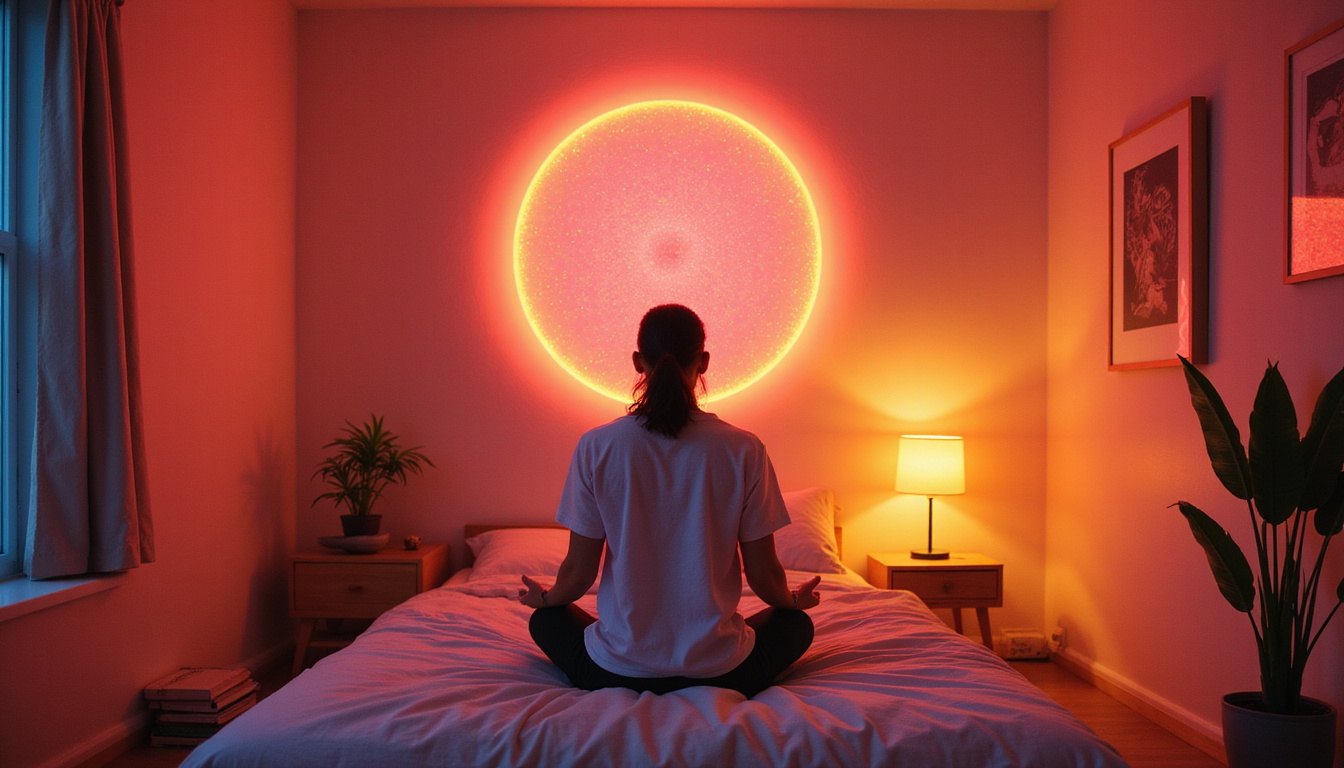
Here’s a simple template you can follow with almost any meditation app:
Total time: About 10 minutes
-
1 minute – Arrival
- Sit or lie down comfortably.
- Place one hand on your chest, one on your belly.
- Take 3 slow breaths, noticing the rise and fall.
-
6–8 minutes – Guided practice
Choose one of these in your app:- Basic mindfulness of breath
- Relaxation or body scan
- Anxiety relief / calming session
Let the guide tell you what to do. Your only job is to listen and keep coming back when your mind wanders.
-
1–2 minutes – Reflection
- Notice how your body feels now vs. before.
- Name one word for your current state (e.g., “calmer,” “tense,” “neutral”).
- Optional: jot it in a journal or notes app.
The reflection step strengthens your brain’s association between “I use this app” and “I feel more regulated afterward,” making the habit more self-reinforcing.
A weekly “habit blueprint” for anxious beginners
To make meditation apps part of your lifestyle, not just a phase, structure your week:
-
Weekdays: keep it short and consistent
- 5–10 minutes at the same time each day
- Stick mostly to the same type of practice (e.g., mindfulness of breath)
-
1–2 longer sessions per week
- 15–20 minutes on weekends or a less busy evening
- Try body scans or longer anxiety-focused courses
-
On high-stress days:
- Use a 3–5 minute grounding or breathing session before stressful events (meetings, exams, difficult calls)
-
At night when worry keeps you awake:
- Use sleep or body scan tracks in bed
- Don’t worry if you fall asleep during; that’s a feature, not a bug
Dealing with common obstacles and frustrations
Meditation apps are simple, but not always easy. A few issues almost everyone hits:
“My mind just won’t stop thinking.”
That’s normal. Meditation is not about having no thoughts; it’s about:
- Noticing that you’re thinking
- Gently returning attention to your anchor (breath, body, sound)
Each “catch and return” is a rep at the mental gym. Your app’s guidance is there to remind you of this.
“I feel more anxious when I close my eyes.”
For some people, especially with trauma histories or intense anxiety, closing the eyes can feel unsafe.
Try:
- Meditating with eyes soft and open, looking at a spot on the floor
- Choosing shorter sessions (3–5 minutes)
- Using movement-based or walking meditations available in some apps
If nervous system activation feels overwhelming or you have a mental health condition, it’s worth discussing meditation with a therapist or healthcare provider.
“I keep forgetting to use the app.”
Make the habit easier than avoidance:
- Move the meditation app icon to your home screen
- Place it near apps you open daily (email, messages)
- Use app widgets (if available) to start sessions in one tap
- Pair your practice with another self-care action: tea, stretching, or skincare
Choosing a meditation app that fits you
There’s no single best meditation app for anxiety, but you can evaluate them with a few simple questions:
-
Do they have dedicated anxiety and stress programs?
Look for courses or sessions specifically labeled for anxiety, panic, worry, or stress relief. -
Do you like the voices and style?
This is surprisingly important. You are more likely to stick with an app if you find the voices calming, clear, and not distracting. -
Are session lengths flexible?
For anxious beginners, having 3-, 5-, 10-, and 15-minute options is invaluable. -
Is the interface simple?
If you feel overwhelmed by choices every time you open it, you’ll use it less. -
Does it offer offline access and reminders?
These features support real-world consistency.
Use free trials to test 2–3 meditation apps over a couple of weeks. Pick the one you reach for most naturally.
Beyond apps: complementary daily habits that amplify results
Meditation apps are powerful, but they work best as part of a broader anxiety-care toolkit. A few low-effort habits that pair well:
- Regular movement: Even 10–15 minutes of walking can reduce anxiety symptoms.
- Basic sleep hygiene: Consistent bed/wake times help regulate mood and stress responses.
- Caffeine awareness: High caffeine can mimic or amplify anxiety; track how you feel after coffee or energy drinks.
- Mini “breath breaks”: Two minutes of slow breathing between tasks or after notifications can help keep baseline anxiety lower.
Your meditation practice builds the skill of noticing—this makes it easier to see which daily actions calm or inflame your anxiety.
FAQ: Meditation apps and anxiety
Q1: Can meditation apps really reduce anxiety, or is it just placebo?
Meditation apps deliver structured versions of practices (like mindfulness and breathing exercises) that have been studied extensively. Research shows these practices can significantly reduce anxiety symptoms when done regularly. The app is just the delivery tool; the effect comes from consistent mental training.
Q2: How long should I use a meditation app before expecting less anxiety?
Many people notice subtle changes—like slightly faster recovery from stress—in 1–2 weeks with daily 5–10 minute sessions. More noticeable, steadier reductions in anxiety often appear after 6–8 weeks of regular practice. Think of it like fitness training for your nervous system: progress is gradual but cumulative.
Q3: Which meditation app is best for social anxiety or panic attacks?
There’s no single “best” app, but look for apps that offer:
- Short, on-demand grounding or breathing sessions
- Courses or series focused on anxiety or panic
- Compassion or self-kindness meditations
Test a few options and choose the one you actually feel comfortable opening during or after an anxious moment—that’s your real “best” app.
Consistent, gentle use of meditation apps can help you shift from being swept away by anxiety to noticing, naming, and riding out difficult waves with more steadiness. You don’t need long retreats or perfect focus—just a few minutes a day, guided by a tool that fits your life.
Start today by picking one meditation app, choosing a 3–10 minute anxiety-focused session, and scheduling tomorrow’s practice right now. The calm, clearer version of you a month from now will be built from the small, simple choices you make today.