

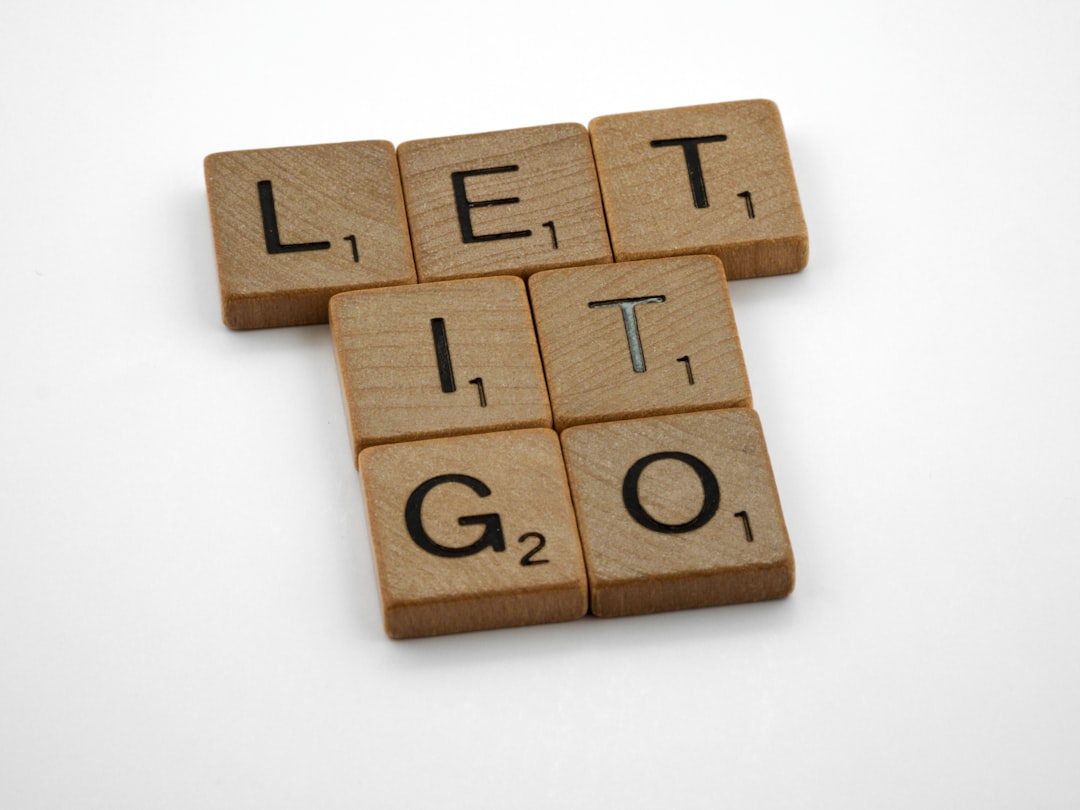
Negative energy and emotional attachment weigh on your clarity, decisions, and sense of peace. Letting them go isn’t about suppression or denial — it’s about practical habits, gentle rituals, and steady inner work that free up your energy so you can act from presence instead of reaction.
This guide presents clear, trustworthy steps you can apply today: how to identify attachments, fast-release techniques, supportive tools and rituals, and daily practices to prevent reattachment. Follow these strategies step by step and adapt what fits your life.
What is negative energy and emotional attachment?
Negative energy is the stagnation, tension, or unease that accumulates after stressful interactions, unresolved grief, or repeated thought patterns. Emotional attachment is the loop that keeps you returning to a person, belief, or outcome long after it’s healthy — often fueled by fear, identity, or unmet needs. Naming these forces clearly is the first step toward dissolving them.
Recognize the patterns that keep you stuck
Look for recurring signals: rumination, physical tightness (neck, chest, stomach), avoidance, repeated arguments, or an obsessive need for control. When a feeling triggers the same thought or behavior, you’re likely in an attachment pattern. Awareness creates choice — and choice is the doorway to letting go.
Immediate release techniques you can use anytime
When you feel overwhelmed, use short, body-based interventions to interrupt the loop:
- Box breathing: inhale 4, hold 4, exhale 4, hold 4 — repeat 4 times.
- Grounding: feel both feet on the floor, press toes and lift, notice sensations, name five things around you.
- Safe-space visualization: imagine a protective light or place where the intensity can soften.
- Label the feeling: say “anger,” “fear,” or “grief” out loud to reduce fusion with the emotion.
These techniques create immediate distance so you can respond rather than react.
Tools and rituals to support release
Rituals help the nervous system register change. A simple nightly ritual — lighting a candle, writing one hard thing down, then closing the page — signals completion. Physical tools can anchor rituals and intention. Many people find crystal sets helpful to hold focus during release work; consider adding a curated Healing Crystal Sets to a ritual shelf if that resonates for you.
Placing stones on a pattern or layout can amplify intention. A Crystal Grid Boards give structure to your intentions and make a ritual easy and repeatable. For energetic protection in stressful environments, many practitioners use Orgonite Pyramids near workspaces or entryways — treated as a symbolic boundary that supports psychological and energetic calm.
Use the body: movement, sound, and breath
Emotion is stored in the body. Movement, sound, and breath help discharge energy safely. A short yoga flow that focuses on hips, shoulders, and deep exhales loosens held emotion. Sound tools add another layer; deliberate drumming or rhythmic sound shifts the nervous system and can release stuck patterns. Try a focused breath followed by five minutes of simple rhythmic tapping or use a dedicated instrument like a Handheld Frame Drum during a release practice to create rhythm and safety for discharge.
Create a supportive environment
Where you practice matters. A quiet, comfortable place reduces reactivity and invites presence. If you sit to meditate or journal, a stable surface and comfortable seating make consistency more likely. For grounded sitting, a quality Meditation Mat or cushion setup can reduce physical distractions so your attention stays on the work.
Small comforts aid deeper relaxation: weighted or warm eye pillows at the end of a practice help the nervous system integrate release. Consider an Meditation Eye Pillow to support restorative pauses after intense emotional sessions.
Daily practices to prevent reattachment
Letting go is not a single event; it’s a habit. Integrate short daily practices that reframe energy and strengthen presence:
- Morning 5-minute check-in: label feelings, set one intention.
- Evening 10-minute review: note what drained you and what replenished you.
- Micro-rituals: a grounding breath before emails or difficult conversations.
Tools that prompt reflection and keep you on track can be helpful. A simple card deck with daily prompts provides structure for small consistent steps — for example, a Mindfulness Card Deck can deliver quick prompts for awareness and release. For deeper integration, regular journaling with a focused prompt helps rewire attachment stories; a guided Manifestation Journal can be adapted to track emotional patterns and intentions for letting go.
How to hold compassion during the process
Letting go is often painful. Befriend the parts of you that resist. Use compassionate language: “This part is scared,” rather than “I’m broken.” Practices like gentle self-inquiry (“What does this part need?”) and embracing small wins (you noticed the pattern today) shift your relationship with inner pain from battle to care, which reduces the emotional charge and speeds release.
Quick checklist: practical steps to let go
- Notice: name the feeling without blame.
- Breathe: 4–4–4 box breathing to create space.
- Move: five minutes to shake or a short yoga flow.
- Ritual: a simple nightly release (write, close, breathe).
- Anchor: place a crystal or sound tool in your ritual space.
- Journal: one sentence about progress each evening.
FAQ
Q: How long does it take to let go?
A: There’s no fixed timeline. Small daily practices create progressive change; many people feel measurable relief in weeks, others over months. Consistency matters more than speed.
Q: Can tools like crystals or sound actually help?
A: Tools are aids for attention and intention. They don’t “fix” emotions, but they create structure, ritual, and repeated cues that make releasing patterns more accessible and consistent.
Q: What if I get back into the same attachment?
A: Expect setbacks. Treat them as information: what triggered you, what boundary weakened, what unmet need surfaced. Use the checklist and reset with a deliberate release practice.
Q: Is detachment the same as indifference?
A: No. Healthy letting go means choosing how you respond without being controlled by past pain. It preserves compassion while removing unhealthy clinging.
Q: When should I seek professional help?
A: If attachment involves persistent suicidal thoughts, self-harm, or severe impairment in daily life, contact a licensed mental health professional. The practices here are supportive but not a substitute for clinical care.
Conclusion — one practical takeaway
Start with five minutes: a single breath-based practice plus a nightly one-sentence journal entry. Repeat daily. Use simple supports — a grounding mat, an eye pillow, a card prompt, or a small crystal setup — to cue your practice. Over time, intention plus consistent action will loosen negative energy and free you to make clearer decisions from a place of calm.
Products Featured in This Article
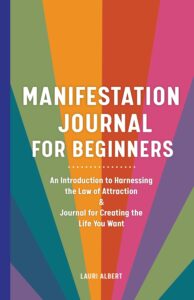
Manifestation Journal for Beginners…
Make your dreams come true using the incredible power of your thoughts Manifestation harnesses the power…