
Introduction
Crystals are widely used as tools in meditation and spiritual practice because they provide tangible focal points, help structure intention, and can support relaxation and clarity. When used mindfully, crystals enhance a meditative environment without replacing core practices like breathwork or focused attention.
This article offers practical guidance on choosing, preparing, and using crystals for meditation, plus simple methods to integrate them into daily spiritual routines.
How crystals support meditation
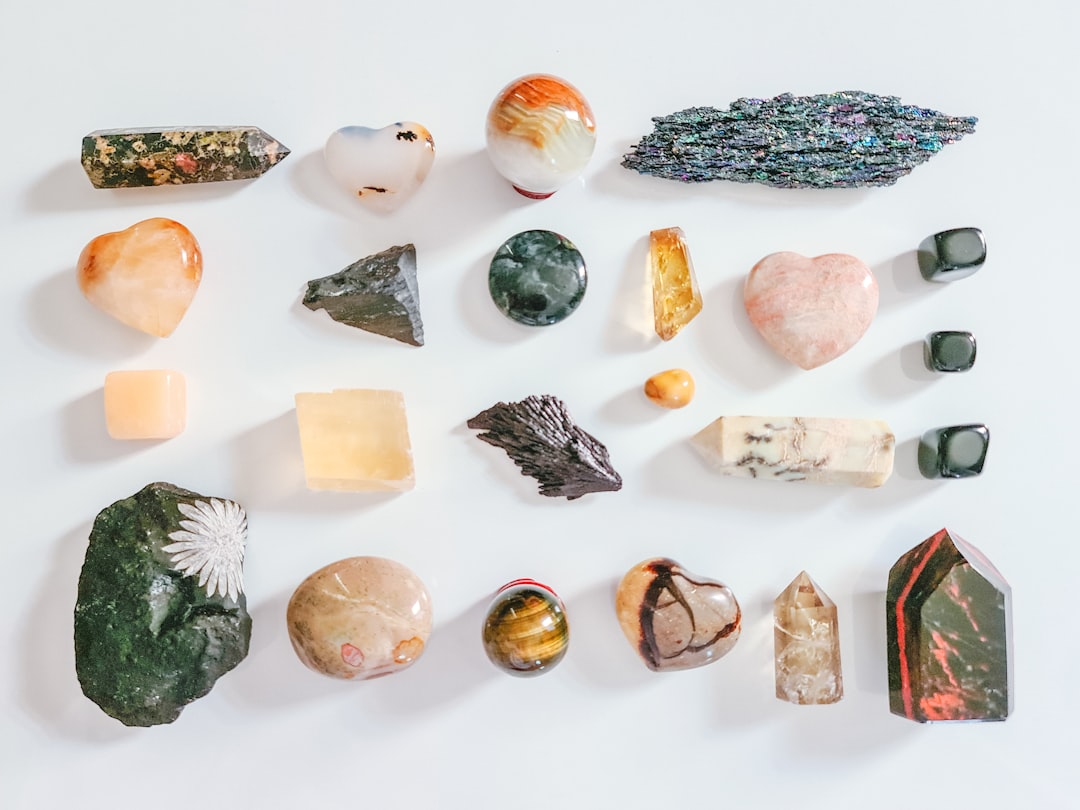
Crystals function as anchors for attention. Placing a stone in your line of sight or holding one during a session gives the mind a gentle point of return when thoughts wander. Many practitioners find that a specific set of stones tailored to common intentions—calm, grounding, clarity—makes starting a practice easier; you can explore purpose-built healing crystal sets as a ready-made option.
Choosing crystals by intention and chakra
Match a crystal to your goal. For grounding and stability choose darker stones like black tourmaline or smoky quartz; for heart-centered work, rose quartz or green aventurine are common choices. If you want a system that aligns stones to energy centers, consider curated chakra stone sets which group crystals by chakra associations and simplify selection.
Preparing and cleansing crystals
Before introducing new crystals into your practice, cleanse and set an intention for them. Cleansing removes accumulated energetic residue and can be done by sunlight, moonlight, or ritual smoke. For a reliable, traditional method, many practitioners use sage smudge kits to clear a space and the stones themselves. After cleansing, hold each crystal and speak or think a clear intention for its role in your practice.
Placing crystals on your altar or meditation space
Placement matters. A single tower or cluster near your seated position establishes a visual anchor; a small arrangement on an altar can symbolize your practice goals. Crystal points and towers are often used vertically to direct energy and as focal pieces—consider a crystal tower to define your meditation corner or altar.
Working with crystal wands and directed energy
For practitioners who incorporate subtle energy techniques or bodywork into meditation, crystal wands are useful. Wands can be used to trace energy pathways, sweep energetic blockages, or gently direct attention from one chakra to another. If you explore active energetic practices, a quality crystal wand is an accessible tool to learn basic techniques.
Using crystal grids to amplify intention
Crystal grids combine geometry and stone placement to create a field of focused intention. Start with a simple pattern and a central stone that represents your main goal, then surround it with supporting crystals. Wooden or metal boards with sacred geometry simplify alignment and make the grid practical for regular use; you can find purpose-built crystal grid boards to get started quickly.
Orgonite pyramids and shaping space
Orgonite pyramids are used by many practitioners to shape subtle energies in a room and create a calmer atmosphere for meditation. They are typically placed in corners or near the meditation seat and can complement other crystals by maintaining a steady energetic field. If you want an object that supports a peaceful environment, consider an orgonite pyramid.
Integrating crystals into a daily routine
Small, repeatable actions make crystal work practical. Keep a chosen stone in your pocket between sessions, place a small crystal on your meditation mat, or hold a calming crystal for the first minute of practice to settle the nervous system. Use a simple timer to structure sessions (start with five to ten minutes and increase gradually); a visual or electronic meditation timer helps maintain consistency without checking your phone.
Checklist: Quick setup for a crystal-supported meditation
- Choose one or two crystals aligned to your intention.
- Cleanse them with smoke, moonlight, or a personal ritual (sage smudge kits can help).
- Place a tower or central crystal near your seat (crystal towers are ideal).
- Optionally arrange a small grid using a board (crystal grid boards).
- Set a comfortable session length with a timer (meditation timers).
- After practice, place crystals on your altar or in a dedicated pouch for safekeeping.
FAQ
Q: Do crystals guarantee specific outcomes in meditation?
A: No. Crystals are supportive tools that help focus attention and intention. Outcomes depend on regular practice and the quality of your attention.
Q: How often should I cleanse my crystals?
A: Cleanse when you first acquire them, after intense sessions, or whenever a stone feels “heavy” to you. Regular monthly maintenance is common.
Q: Can beginners use crystal grids?
A: Yes. Start with a simple grid and a clear intention. Using a pre-made crystal grid board simplifies geometry and speeds learning.
Q: Where should I store crystals between sessions?
A: Keep them on an altar, in a fabric pouch, or a wooden box to respect them as practice tools and to avoid accidental damage.
Q: Are there tools to help me maintain a daily habit with crystals?
A: Yes. Use a timer to structure sessions (meditation timers), keep a consistent altar setup with a tower (crystal towers), and select accessible sets like healing crystal sets or chakra stone sets to reduce decision fatigue.
Conclusion — Practical takeaway
Crystals are practical, low-effort supports for meditation: choose stones that match your intention, keep them clean, place them where you can see or touch them, and build consistent habits with simple tools like timers and grids. Start small—one consistent stone and a five-minute daily sit—and adjust as your practice deepens.