


Recurring dreams can feel like a broken record playing the same message each night. Instead of ignoring them as random noise, treat repeated dream themes as signals—data from your subconscious or spirit self that want attention and practical action.
This post explains common recurring dream patterns, how to tell whether a dream is psychological or spiritual, practical steps to decode messages, and simple tools and rituals to support interpretation and integration.
What is a recurring dream, and why it matters
A recurring dream repeats with similar themes, images, emotions, or storylines over weeks, months, or years. They appear when an unresolved issue—fear, desire, grief, or a life transition—needs processing. Because repetition indicates importance, these dreams are a valuable place to focus personal growth and spiritual practice. For general resources and items that support dreamwork and daily practice, you can explore SpiritualMindScience.
Common recurring dream themes and likely meanings
Recurring dreams often fall into recognizable categories. Identifying which category yours fits helps narrow interpretation.
- Being chased or trapped: unfinished conflict or avoidance.
- Falling: loss of control, insecurity, or surrender in waking life.
- Missing an appointment or failing a test: anxiety about readiness or self-worth.
- Teeth falling out or losing hair: identity shifts, aging, or communication issues.
- Returning to a childhood place: unresolved memories or inner child needs.
Some people add crystal support to dreamwork—if you find tactile tools helpful, curated Healing Crystal Sets are commonly used to set intention before sleep or to place on an altar for nightly dream practice.
Psychological vs. spiritual interpretations: how to tell the difference
Both frameworks can be true at once. Psychological interpretations focus on learning about patterns, trauma, and cognitive-emotional needs. Spiritual interpretations look for symbolic guidance, soul-level lessons, or messages from guides.
To decide which lens is most useful in a given case, ask:
– Does the dream repeat after a strong emotional event? (psychological)
– Does the dream include archetypal symbols or felt guidance that leads to meaningful action? (spiritual)
– Does working with the dream reduce distress or clarify purpose? (either)
Balancing energetic and nervous-system work helps. Tools like Chakra Stone Sets are often used to check whether a recurring theme relates to a particular energy center—for example, throat chakra themes and recurring dreams about communication.
How to track and decode recurring dreams (a practical method)
Decoding is a skill. Use a consistent method each morning for clarity:
- Wake gently and lie still for 60 seconds to recall details.
- Write down setting, characters, emotions, colors, and actions before you do anything else.
- Note the waking-life events from the previous 24–72 hours that might connect.
- Ask one clarifying question like: “What do you want me to learn?” and record the first image or sentence that comes.
Daily recording makes patterns visible. If you prefer guided prompts to structure practice, pairing journaling with a guided workbook such as the Manifestation Journal for Beginners can give structure while you map recurring themes.
Improve dream recall and create a sleep-friendly environment
Better recall amplifies insight. Practical habits include consistent sleep times, limiting screens an hour before bed, and a short wind-down routine. Small physical supports help cue restfulness—try an eye pillow to block light and soothe the nervous system; for example, Meditation Eye Pillows are designed for relaxation and deeper sleep cycles.
Design a simple dream-care ritual
A nightly ritual signals to your mind and body that dreamwork matters. Keep it short and consistent:
- Clear the space physically and energetically.
- Set a single intention or question for the night.
- Place an object on your bedside altar to hold intention.
- Do a three-minute breathing exercise before sleep.
For energetic clearing before ritual, a brief smudging with a Sage Smudge Kit or a cleansing spray can remove stuck energy and make dream intentions clearer.
Using tools to amplify insight without outsourcing meaning
Objects help focus attention but don’t replace inner work. Common aids include grids, crystals, sound, and card decks. Crystal grids, for instance, can be arranged around a clear dream question to keep focus while you sleep; the INFUNLY Crystal Grid Board is an example of a small practical board for bedroom altars.
When a recurring dream signals it’s time for deeper work
If a dream increases in intensity, leaves you feeling stuck, or links to trauma, prioritize safety first. Grounding practices, working with a qualified therapist, or consulting an experienced dreamworker are appropriate next steps. If the dream points toward growth—new career, relationship boundary, or creative calling—use it as a prompt for small, concrete action steps in the day.
Quick checklist: what to do after a recurring dream
- Record immediately—setting, characters, emotions, and one sentence summary.
- Identify the recurring element (image, emotion, person) and timestamp how long it’s been happening.
- Apply one practical test: change one action in waking life and note dream changes over a week.
- Use a focused ritual (smudge, grid, or brief meditation) before sleep for three nights and compare notes.
- Seek professional support if the dream intensifies trauma responses or disrupts daily functioning.
Conclusion: a practical takeaway
Recurring dreams are signals, not mysteries you must decode perfectly. Start with consistent recording, one small daily action tied to a dream insight, and a simple sleep ritual. Over weeks, patterns become clear and your dreams move from repetition to resolution.
FAQ
Q: How long should I track a recurring dream before drawing conclusions?
A: Track daily for at least 4–6 weeks to see meaningful patterns; shorter experiments can give hints, but consistency reveals deeper trends.
Q: Can crystals or rituals really change recurring dreams?
A: Crystals and rituals help focus intention, calm the nervous system, and provide symbolic context. They support change but don’t guarantee specific messages—use them alongside practical actions.
Q: What if a recurring dream is frightening every night?
A: Prioritize safety: stabilize sleep hygiene, practice grounding exercises on waking, reduce exposure to triggering media, and consider professional therapy if dreams cause ongoing distress.
Q: Should I share my recurring dream with others?
A: Share selectively. Choose a trusted friend, spiritual mentor, or therapist who listens without imposing meaning. Peer feedback can open perspectives but keep your own felt sense central.
Q: Are there tools to help me ask better questions of my dreams?
A: Yes—guided prompts, card decks, and journaling tools can help. For short daily prompts and questions to deepen practice, consider Mindfulness Card Decks.
Products Featured in This Article
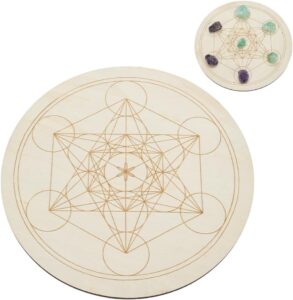
INFUNLY Wooden Crystal Grid Board M…
From the brand INFUNLY INFUNLY INFUNLY INFUNLY INFUNLY INFUNLY INFUNLY INFUNLY INFUNLY Symbol of Sacred Geometry:…

Manifestation Journal for Beginners…
Make your dreams come true using the incredible power of your thoughts Manifestation harnesses the power…

Sage Smudge Kit for Cleansing Negat…
From the brand BHOLI SAGE PLUS Store BHOLI SAGE PLUS Store 🌿Tranquil Fusion: Indulge in a…