🌟 Daily Awakening Quiz 🌟
Sacred sexuality is more than “better sex.” It’s a conscious way of relating to your body, your pleasure, and your partners that weaves together intimacy, spirituality, and healing. Whether you’re single, partnered, or exploring your own erotic landscape, sacred sexuality can help you slow down, feel more, and reconnect with what’s truly meaningful in your intimate life.
This guide will walk you through the core principles, gentle practices, and practical tools to begin or deepen a sacred sexual journey—at your own pace, and in your own way.
What Is Sacred Sexuality?
Sacred sexuality is the practice of approaching erotic energy as something inherently valuable, meaningful, and worthy of reverence. It’s not about being “perfect” or “pure.” It’s about shifting from performance and pressure to presence and connection.
Some key aspects:
- Consciousness – You bring awareness to your thoughts, emotions, and sensations.
- Intention – You choose what you want to invite in: healing, closeness, joy, exploration.
- Integration – You recognize that sexuality touches your body, mind, heart, and spirit.
- Respect – You treat yourself and others with deep consent, care, and honesty.
Different traditions—Tantra, Taoist practices, somatic therapies—have their own frameworks, but at the core is the same idea: your sexual energy is a profound force that can be used for connection, creativity, and healing, not just release.
Why Sacred Sexuality Matters for Healing
Many people carry sexual wounding: shame, confusion, performance anxiety, betrayal, religious guilt, or trauma. Sacred sexuality offers a path to gently unwind those patterns.
1. Healing Shame and Reclaiming Pleasure
From early on, many of us receive mixed messages about sex: it’s exciting but “dirty,” desirable but dangerous. These messages can live in the body as contraction—tightness in the jaw, chest, pelvic floor, or a numbness around your own desire.
Sacred sexuality invites you to:
- Explore pleasure as your birthright, not something you must “earn.”
- Notice where shame arises and respond with curiosity rather than judgment.
- Discover that your erotic self is not separate from your “best self”—it’s part of your wholeness.
2. Nervous System Regulation and Safety
Safe, attuned touch and presence can support nervous system regulation and trauma healing. Slowness, breathing, and consent-focused practices give your body a chance to feel:
- Safe enough to relax
- Present enough to feel
- Empowered enough to choose
Over time, erotic experiences can shift from “something that happens to me” to “something I co-create with awareness and choice.”
3. Deeper Intimacy with Self and Others
Sacred sexuality invites you to be truly seen—and to truly see. This includes:
- Sharing vulnerabilities (fears, fantasies, needs).
- Listening to your body’s “yes,” “no,” and “maybe.”
- Allowing moments of emotion, tears, or laughter in intimacy.
This kind of realness can create bonds that go beyond chemistry, moving into genuine emotional and spiritual intimacy.
Core Principles of Sacred Sexuality
Before techniques and positions, sacred sexuality starts with how you relate to yourself and your partners.
Radical Consent and Mutual Respect
Consent is more than a “yes” or “no” at the beginning. It’s an ongoing, living conversation. Sacred sexuality emphasizes:
- Asking clearly and listening deeply.
- Honoring a partner’s boundaries immediately and without resentment.
- Checking in as experiences unfold: “How is this for you?” “Do you want to slow down?”
This builds trust—the foundation for deeper, riskier (in a good way) intimacy.
Presence Over Performance
Rather than focusing on “doing sex right,” you orient toward being more present:
- Feel your breath, touch, and emotions in real time.
- Let go of goals like orgasm on demand or “lasting longer.”
- Allow the experience to unfold naturally, even if it looks different from porn or past relationships.
Presence turns each encounter into a unique, living experience instead of a script.
Slowness and Sensation
In a culture of speed and distraction, sacred sexuality invites you to slow down:
- Change pace: half as fast as you think you “should.”
- Extend the sensual phases—kissing, caressing, eye contact—rather than rushing to intercourse.
- Notice subtle sensations: tingling, warmth, waves of energy, emotional shifts.
Slowness often reveals rich layers of pleasure and emotion that speed skims over.
Building a Sacred Sexual Relationship with Yourself
Your relationship with your own body sets the tone for everything else. Self-practice is not “second best”; it’s the core training ground for sacred sexuality.
1. Creating a Personal Ritual Space
You don’t need anything fancy, but intentionality helps your body feel safe and receptive.
Consider:
- Environment: dimmer lights, candles, soft music, a tidy space.
- Objects: a soft blanket, natural lubricant, perhaps a journal.
- Transition: a shower, a few deep breaths, or a brief meditation to mark the shift into sacred space.
The message to your nervous system is: “We’re entering a gentle, intentional exploration.”

2. Conscious Self-Touch Practice
Try setting aside 20–30 minutes for exploration without a goal of orgasm. Let orgasm be welcome, not required.
You might:
- Start fully clothed, simply placing your hands on your heart and belly, breathing.
- Gently touch non-genital areas: face, neck, arms, thighs, feeling texture and temperature.
- Notice thoughts that arise (“I look silly,” “This is pointless”) and return to the sensations.
- When (and if) it feels right, include your genitals in the same slow, curious way.
This is about re-learning your own body as a source of comfort, curiosity, and aliveness.
3. Befriending Your Inner Dialogue
As you explore, you may hear inner voices of criticism or shame. Rather than fighting them, you can:
- Name them: “Here’s the critic,” “Here’s the anxious one.”
- Offer compassion: “Of course you’re here; you were trying to protect me.”
- Gently re-orient: “We’re safe now. This is my time to explore, not to judge.”
Over time, this softens the inner landscape so more pleasure and connection can arise.
Practicing Sacred Sexuality with a Partner
When you bring these principles into partnership, you create a living laboratory of intimacy and healing.
Slow Intimacy Rituals
Try setting aside “sacred intimacy” time—60–90 minutes without screens or interruptions. This time doesn’t have to include sex; its purpose is connection.
You might:
- Sit facing each other, place your hands on each other’s hearts, and breathe together.
- Make eye contact for 2–5 minutes, noticing what emotions arise.
- Share a “current truth,” such as: “Right now, I feel…” or “What I’m afraid to tell you is…”
Only if both of you feel organically drawn to erotic touch do you let things unfold from there.
Desire, Boundaries, and Aftercare
Healthy sacred sexuality involves being honest about what you want—and what you don’t.
- Desire: Share what excites you or what you’d like to try, without demand or pressure.
- Boundaries: Be clear about what is off-limits today, even if it was okay before.
- Aftercare: When you finish, don’t just roll away. Cuddle, talk, or offer water. Ask, “How are you feeling?” and reflect on what felt especially good or tender.
This “full cycle” approach supports emotional safety and learning.
Simple Sacred Sexuality Practices to Try
You don’t need to overhaul your entire intimate life overnight. These small practices can open big doors over time.
-
Three-Deep-Breath Kiss
Each time you kiss, pause for three slow, shared breaths without moving your lips. Feel the subtle shifts in energy and emotion. -
Five-Senses Foreplay
Spend 10–15 minutes focusing on one sense at a time (sight, sound, touch, taste, smell), letting each guide how you connect, without rushing to intercourse. -
Gratitude Rounds After Intimacy
Take turns sharing three things you appreciated during your time together—physical, emotional, or spiritual. -
Erotic Energy Meditation
During self-pleasure or partnered pleasure, visualize energy moving from your pelvis up your spine to your heart or crown, connecting erotic energy with love and awareness. -
No-Goal Nights
Declare certain encounters “no-goal nights,” where orgasm is welcome but not required. The only objective is to explore and enjoy.
Integrating Sacred Sexuality and Spirituality
For some, sacred sexuality is explicitly spiritual; for others it’s simply “deeply human.” Either way, integrating sexuality with your larger sense of meaning can be profoundly healing.
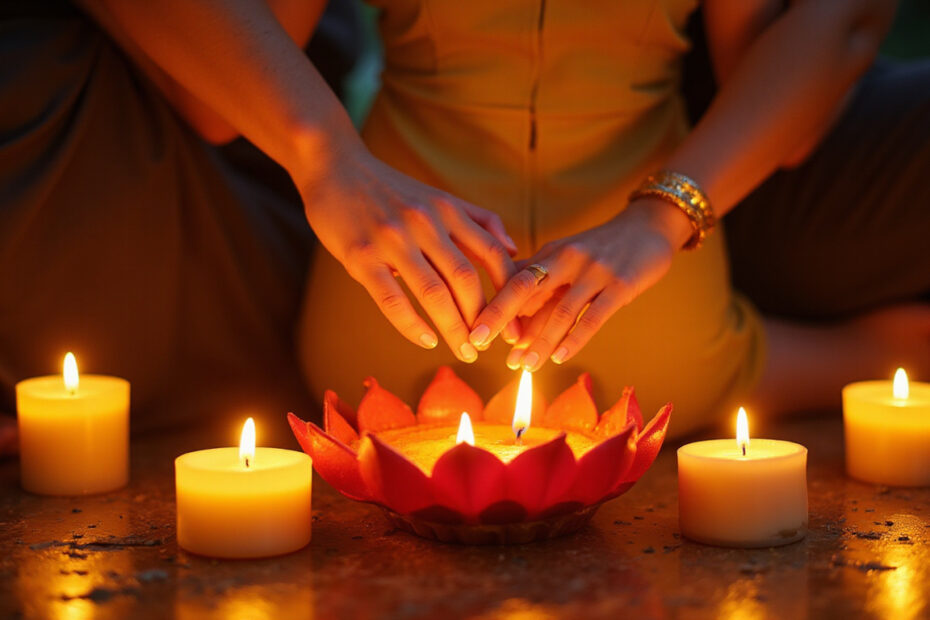
- Ritual: Light a candle, say an intention, or offer a brief prayer for connection and care.
- Meaning-making: Reflect on what intimacy is teaching you about trust, vulnerability, or love.
- Embodiment: Many spiritual traditions emphasize mind or transcendence; sacred sexuality reminds you that your body is also a site of wisdom and awakening (source: Harvard Health on the mind–body connection).
This doesn’t require adopting any particular belief system. It’s about treating your erotic life as worthy of thoughtfulness, honesty, and reverence.
Common Misconceptions About Sacred Sexuality
Misunderstandings can keep people from exploring these practices. A few to watch for:
-
“It’s only for couples.”
Single people can cultivate deep sacred sexuality through self-practice, imagination, and emotional work. -
“It means you have to be spiritual or religious.”
Sacred can simply mean “deeply valued” or “approached with care.” No doctrine required. -
“It’s just fancy language for kinky sex.”
Sacred sexuality can include kink, but it doesn’t have to. The defining feature is consciousness and consent, not what acts you do. -
“If I’m doing it right, I should always feel blissful.”
Real healing often brings up grief, anger, or old memories. These aren’t signs of failure; they’re signs that deeper layers are being touched.
Getting Started with Sacred Sexuality: A Gentle Roadmap
To keep things grounded and manageable, here’s a simple sequence you can work with:
-
Set an Intention
Choose one focus for the next month: feeling more, slowing down, healing shame, or deepening connection. -
Create a Weekly Self-Practice
Schedule one solo session as described above. Treat it like any important appointment. -
Open a Conversation (If Partnered)
Share this intention with your partner. Invite them into a no-pressure exploration. -
Choose One Practice at a Time
For example, start with the “no-goal night” or breathing together for three minutes. -
Reflect Monthly
Journal or talk about what’s changing—physically, emotionally, relationally. Adjust your intention as needed.
Consistent small steps lead to much deeper transformation than occasional big leaps.
FAQ: Sacred Sexuality, Intimacy, and Healing
1. How do I start practicing sacred sexual healing if I have trauma?
Begin with self-focused, non-sexual body practices—like gentle self-massage, grounding exercises, and breathwork. Prioritize safety over intensity. Consider working with a trauma-informed therapist or somatic practitioner who understands sacred sexual healing approaches. Always move at the pace of your nervous system, not your expectations.
2. Can sacred intimate practices improve my relationship even if our sex life feels “stuck”?
Yes. Many couples find that when they shift from performance to presence—through slow touch, clear consent, and honest conversations—their sense of connection returns, and desire often follows. Even simple rituals like weekly “connection time” without goals can unlock deeper intimacy.
3. Is spiritual sexual healing only for certain orientations or genders?
Not at all. Sacred or spiritual sexual healing is accessible to people of all genders, orientations, and relationship structures. The core principles—consent, presence, embodiment, and respect—are universal. You can adapt practices to fit your specific body, identity, and relationship style.
Sacred sexuality is not another standard you must live up to. It’s an invitation to come home—to your body, your desire, your tenderness, and your capacity for love. You don’t need to be “fixed” or “advanced” to begin. You only need a willingness to slow down, to listen, and to treat your erotic self as worthy of care.
If you feel a tug of curiosity, let that be your guide. Choose one practice from this guide and try it in the next week—on your own or with a partner. Then notice: What shifts in your body, your heart, or your relationship? As you keep returning to these small, sacred choices, you’ll be building a more intimate, healed, and authentic relationship with your sexuality—one breath, one touch, one honest moment at a time.