🌟 Daily Awakening Quiz 🌟
Kirtan is far more than a style of devotional music—it’s a powerful, time-tested practice for calming the nervous system, opening the heart, and awakening a deep sense of spiritual joy. Whether you’re completely new to kirtan or have been chanting for years, understanding what it is, why it works, and how to practice it can help you unlock its full benefits in your daily life.
What Is Kirtan?
Kirtan is a call-and-response form of devotional chanting that originates in the Bhakti (devotional) tradition of India. The word “kirtan” comes from the Sanskrit root kirt, which means “to praise” or “to glorify.”
In practice, it usually involves:
- A leader (kirtan wallah) who chants a mantra or sacred phrase
- A group who responds by repeating it
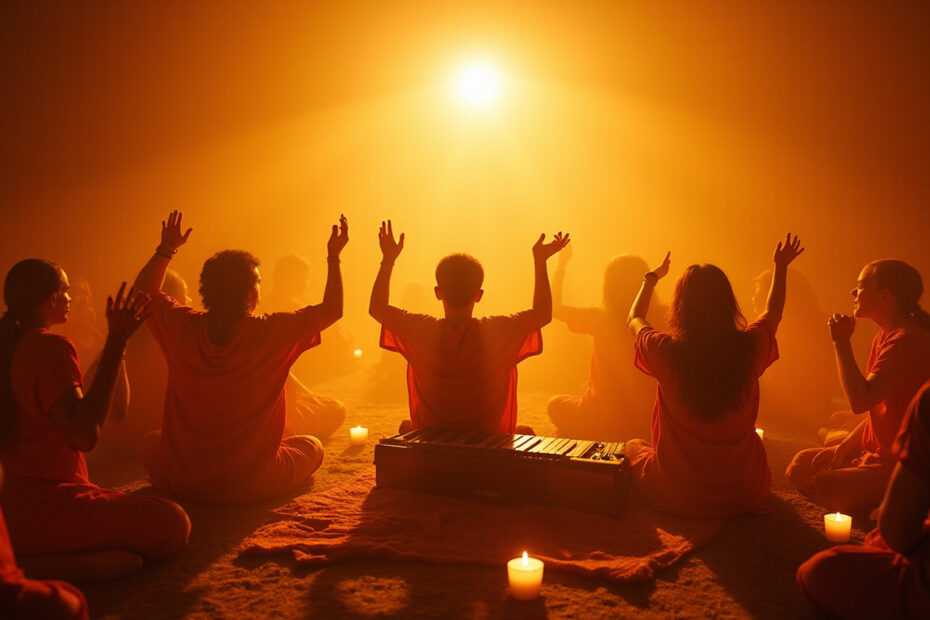
- Instruments such as harmonium, tabla, mridanga, hand cymbals, or guitar
- A communal field of shared emotion, intention, and presence
Unlike a concert, kirtan is participatory. You don’t come to listen; you come to sing. It doesn’t require a “good” voice or musical training—only your willingness to show up and take part.
Why Kirtan Is So Calming and Uplifting
Many people experience a surprising sense of calm and joy after even a short kirtan session. This isn’t just sentimentality or self-suggestion; there are real psychological and physiological mechanisms at play.
The Power of Repetition and Rhythm
Chanting the same simple mantra over and over has a similar effect to a mantra meditation:
- It occupies the busy, thinking mind with a single point of focus.
- Rhythmic repetition synchronizes breathing and heart rate.
- Over time, the mind’s habitual chatter naturally softens.
Research on mantra-based practices shows they can reduce anxiety and improve mood by shifting brain activity and supporting relaxation responses (source: National Institutes of Health).
Sound as Vibration
From a yogic perspective, every mantra in kirtan is a precise configuration of sound vibration intended to:
- Calm the nervous system
- Open emotional blockages
- Connect the chanter with a deeper sense of self or the divine
Even if you’re not aligned with the spiritual framework, many people find that simply vocalizing sounds—especially in a group—creates a felt sense of release and connection.
The Healing Power of Community
Kirtan is rarely practiced alone. The shared experience of chanting with others:
- Reduces feelings of isolation
- Helps release stuck emotions in a safe container
- Creates a sense of belonging and mutual care
That combination—rhythmic repetition, sound vibration, and community support—is what makes kirtan uniquely potent compared with solo meditation or listening to recorded music.
Core Elements of a Kirtan Practice
To get the most from kirtan, it helps to understand its basic building blocks. No one is required, but each adds a dimension to your experience.
1. Mantras
At the heart of kirtan are mantras: short, sacred phrases often in Sanskrit or related devotional languages. Common examples include:
- “Hare Krishna Hare Krishna, Krishna Krishna Hare Hare…”
- “Om Namah Shivaya”
- “Sri Ram Jai Ram Jai Jai Ram”
- “Om Mani Padme Hum”
Different traditions may focus on different deities or aspects of the divine, but the purpose is the same: to turn the mind toward love, awareness, and presence.
2. Call-and-Response Chanting
In most kirtan gatherings:
- The leader sings a line (the call).
- The group repeats it (the response).
- This continues, often with building tempo and intensity, then softening again.
This structure makes it easy for beginners to join in because you simply echo what you hear.
3. Music and Instruments
Kirtan can be completely a cappella, but traditionally you’ll encounter:
- Harmonium – a small keyboard that produces a rich, drone-like sound.
- Drums – such as tabla, dholak, or mridanga, keeping the rhythm.
- Percussion – kartals (hand cymbals), shakers, or handclaps.
The music is usually simple and repetitive, designed to support your inner experience rather than showcase musical complexity.
4. Devotional Intention
What transforms singing into kirtan is intention. The practice is not about performance; it’s about:
- Offering your attention and voice
- Softening the egoic need to impress or achieve
- Inviting a sense of connection—to the divine, to life, or to your own deepest self
Approaching kirtan with sincerity, even if you’re skeptical intellectually, tends to open the door to its deeper benefits.
Simple Kirtan Practices You Can Start Today
You don’t need a temple, a harmonium, or a crowd to begin. Below are a few accessible ways to integrate kirtan into your everyday life.
1. Five-Minute Morning Mantra
- Choose a simple mantra that resonates (e.g., “Om Namah Shivaya”).
- Sit comfortably, eyes closed.
- Chant the mantra aloud or softly for five minutes.
- Focus more on feeling than perfection in pronunciation.
This brief kirtan-inspired practice can set a calm, centered tone for your day.
2. Call-and-Response with a Recording
If you don’t have local kirtan gatherings:
- Find a kirtan artist you like on a streaming platform.
- Play a track designed for call-and-response.
- Treat the lead vocals as the “call” and sing the “response” each time it repeats.
Over time, you’ll start to memorize the melodies and mantras and can sing them on your own.
3. Evening Wind-Down Chant
To release tension and prepare for sleep:
- Dim the lights, sit or lie comfortably.
- Choose a gentle mantra, perhaps with “Om” or a soothing, slower melody.
- Chant softly for 10–15 minutes, letting your breath become easy and long.
This merges the calming aspects of kirtan with the settling effect of breath awareness.
4. Group Kirtan in Your Community
If you can attend or organize a live kirtan, even occasionally, the impact can be profound:
- Check local yoga studios, meditation centers, or spiritual communities.
- Bring an open mind and willingness to participate.
- Don’t worry about how you sound—no one is judging.
Over time, many people discover that the community itself becomes a source of strength and support beyond the chanting sessions.
How Kirtan Unlocks Deep Calm
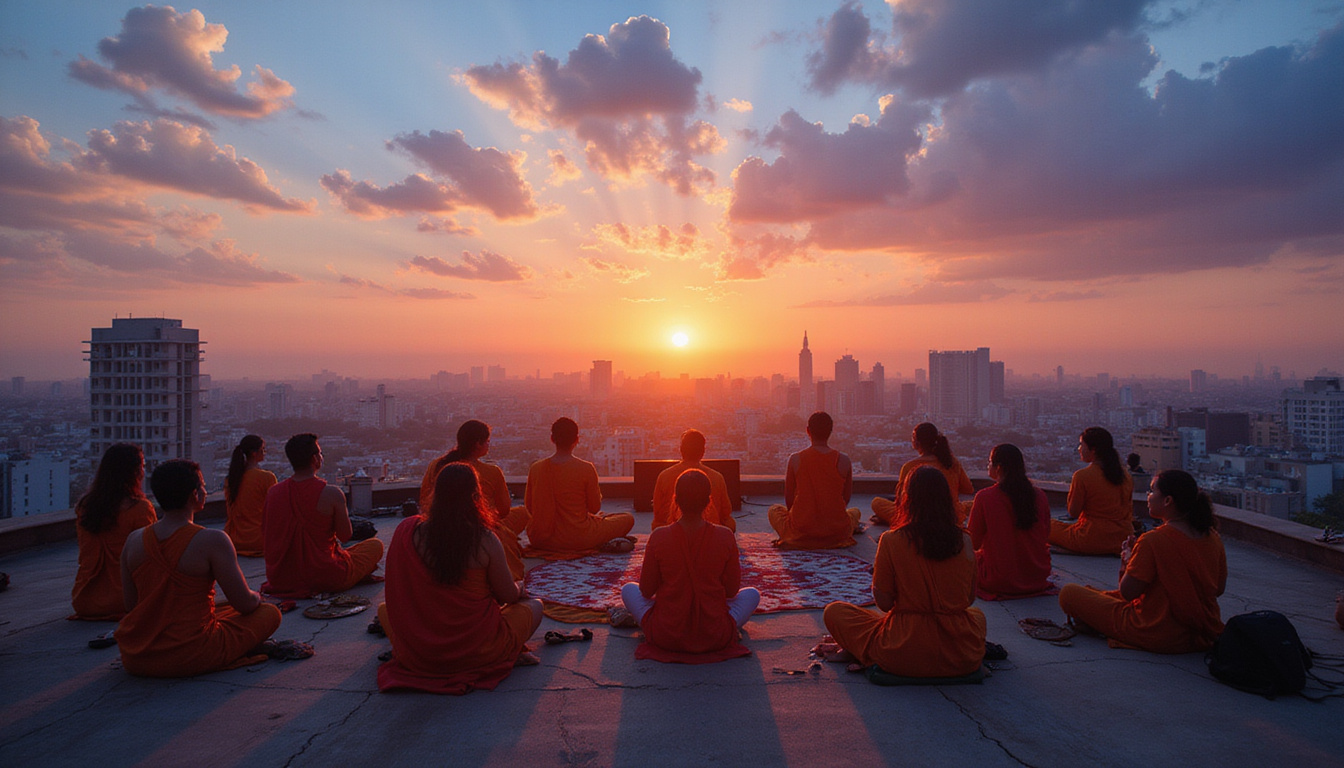
The “deep calm” many people speak of after kirtan isn’t a vague mood; it’s a consistent shift in state with recognizable qualities.
Nervous System Regulation
By combining slow breathing, extended exhalations, and vocalization, kirtan helps trigger the parasympathetic nervous system (“rest and digest”). Signs you’re moving into this state:
- Shoulders drop; jaw softens.
- Thoughts feel less urgent.
- A sense of spaciousness or relief arises.
Over time, regular kirtan can help you access this calm more quickly even in stressful situations.
Emotional Release
Chanting in kirtan can bring old emotions to the surface—sadness, joy, anger, grief. This is a feature, not a bug:
- The music and mantras create a safe container.
- Emotions can flow out in tears, smiles, or quiet stillness.
- You learn to feel without needing to analyze everything mentally.
This emotional processing is a key reason people feel lighter and more peaceful afterward.
Quieting the Inner Critic
The simple fact of singing—even if you think your voice is “bad”—can be revolutionary:
- You practice letting go of self-judgment.
- You experience acceptance in a group setting.
- The inner critic gradually loses power.
This newfound inner quiet supports calm far beyond the chanting itself.
How Kirtan Awakens Spiritual Joy
Beyond calm, kirtan is famed for its ability to awaken ananda—a deep, stable sense of joy.
Joy Without a Reason
Unlike happiness that depends on circumstances, the joy from kirtan:
- Often arises spontaneously, without external trigger.
- Can feel like a gentle warmth or a bubbling, childlike delight.
- Remains even when life is imperfect or challenging.
Many traditions see this as contact with your deeper nature—joy that isn’t dependent on getting anything “right.”
Heart-Opening Connection
Kirtan often brings:
- A sense of love that doesn’t need a specific object.
- Compassion toward yourself and others.
- A feeling that you’re part of something larger and benevolent.
This heart-opening aspect is central to bhakti yoga—the path of devotion, of which kirtan is a key practice.
Surrender and Freedom
As you lose yourself in the chant:
- The need to control or manage everything drops away.
- There is relief in simply being and singing.
- Many describe this as a taste of spiritual freedom.
In that surrender, joy often appears on its own, without being chased.
Practical Tips for a Deeper Kirtan Experience
To help your kirtan practice bear real fruit, consider these practical guidelines:
-
Consistency over intensity
Short, regular chanting (5–15 minutes daily) is more transformative than rare, long sessions. -
Choose mantras that resonate
Experiment with different chants and notice which evoke calm, warmth, or clarity in you. -
Use your whole body
Sit upright, feel your feet or seat connected to the ground, and let your breath support the sound. -
Release performance mindset
Focus on the feeling of the chant, not how polished you sound. -
Allow emotions
If you feel like crying, smiling, or sitting in silence, let that be part of the practice. -
Combine with silence
After chanting, sit quietly for a few minutes to absorb the effects.
FAQ About Kirtan and Chanting
1. What is kirtan meditation, and how is it different from other forms of meditation?
Kirtan meditation uses chanting—often in call-and-response format—as the main focus instead of silent observation of the breath or thoughts. For many people, the sound, music, and active participation make it easier to stay present than in purely silent practices.
2. Can I practice kirtan chanting if I don’t follow a particular religion?
Yes. While kirtan comes from devotional traditions, you don’t need to adopt any belief system to benefit. You can approach it as a meditative, heart-opening sound practice, relating the mantras to universal qualities like love, peace, or compassion.
3. How do I start a kirtan practice at home as a beginner?
Begin with one simple mantra, chant it for 5–10 minutes daily, and use recordings as a guide if you like. Sit comfortably, keep your attention on the sound and feeling, and let your practice grow gradually. Over time, you can explore more chants and perhaps join local kirtan gatherings for shared inspiration.
Let Kirtan Become Your Gateway to Calm and Joy
You don’t need perfect beliefs, a perfect voice, or perfect discipline to experience the gifts of kirtan. All that’s required is a willingness to show up—voice, breath, and heart—and let the practice meet you exactly where you are.
If you’re longing for more inner peace, emotional release, and a deeper sense of spiritual joy, choose one simple kirtan practice from this article and try it daily for the next week. Notice how your mind, body, and heart respond. From there, you can explore local gatherings, online sessions, or longer chanting meditations.
Your voice is already enough. Let it become a bridge—from restlessness to calm, from isolation to connection, from seeking to the simple joy of being fully present.