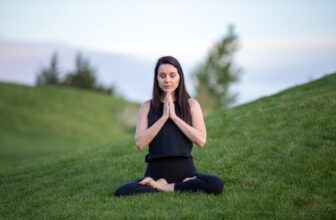


How to Stay Grounded During a Spiritual Awakening
Spiritual awakenings can feel liberating, disorienting, and intensely alive all at once. They shift perception, change priorities, and often bring unexpected emotional and energetic shifts.
Staying grounded doesn’t mean resisting transformation. It means creating practical habits and environments that support your emerging awareness so you can integrate insight steadily and sustainably.
What a Spiritual Awakening Feels Like
An awakening can show up as increased sensitivity, recurring synchronicities, amplified intuition, or an urge to change relationships and routines. Physically you might feel energy surges, fatigue, or a new restlessness. Mentally, patterns you thought were resolved may reappear for re-examination.
Recognizing these signs as part of a process (not a crisis) helps you respond calmly. Grounding techniques translate intense inner experience into manageable daily practices.
Why Grounding Matters
Grounding balances expanded awareness with practical functioning. Without it, spiritual insight can feel untethered—leading to overwhelm, poor decision-making, or avoidance of responsibilities. Grounding supports integration: you stay present, make clear choices, and bring the benefits of awakening into everyday life.
Daily Grounding Practices
Start each day with a short routine that roots you in the body and environment: drink water, move gently, set an intention, and check the breath. A consistent, simple practice stabilizes energy and reduces reactivity when big insights arise.
For a physical anchor during movement or seated practice, consider using a dedicated surface that invites consistency like a yoga mat. A consistent space and tool for bodywork signal your nervous system that these minutes are for centering.
Movement, Breath, and Somatic Work
Grounding is primarily about the body. Intentional breathwork, walking, and gentle yoga restore equilibrium. Movement helps release stuck energy and connects you with the earth through sensation.
Use props to make practices accessible. A solid yoga block supports alignment and prevents strain, letting you stay present rather than distracted by discomfort.
Restorative Support: Bolsters and Slow Practices
When energy feels intense, prioritize restorative practices: supported poses, long exhalations, and slow diaphragmatic breathing. These restore the parasympathetic nervous system and make integration gentler.
A yoga bolster under your knees or across your chest can deepen relaxation quickly and hold space for emotional processing without becoming overwhelming.
Mind Training: Journaling, Intention, and Boundaries
Clarity often arrives in small moments—capture it. Journaling helps translate transient insights into actionable changes. Use short prompts: What shifted for me today? What feels urgent? What do I need to rest?
If you want a guided tool, the Manifestation Journal for Beginners offers structure for staying focused on integration and daily practice without getting lost in abstraction.
Energy Hygiene and Sacred Tools
During awakening it’s common to notice energetic residue from people or places. Simple cleansing techniques—smudging, salt baths, and intentional breath—help you reclaim clear boundaries.
For ritual cleansing, a prepared sage smudge kit provides supplies and guidance to clear spaces safely and respectfully when needed.
Sound can also anchor and realign. Short sound sessions—five to ten minutes—using a focused instrument help synchronize breath, mood, and attention. If you prefer melodic resonance, a Tibetan singing bowl set produces sustaining tones that bring your nervous system back to center.
Create a Sacred, Practical Space
Design a small, functional sacred area you use reliably—where you sit to journal, practice breathwork, or pause between tasks. Consistent use trains your mind to drop into presence faster.
A compact home altar table can hold a few grounding objects: a candle, a stone, a photograph, or a small plant. The goal is utility and emotional resonance, not perfection.
Recommended Reading and Learning
Books can guide you without replacing embodied practice. Choose titles that offer practical tools, integration strategies, and compassionate perspectives. Look for books specifically focused on integration rather than purely esoteric theory.
For step-by-step guidance and worksheets, explore curated resources under Spiritual Awakening Books.
Simple Daily Checklist
- Morning: 5 minutes of breath and intention-setting
- Move: 10–20 minutes of walking, stretching, or gentle yoga on your yoga mat
- Journal: 5–10 minutes—note insights, actions, and emotional check-ins using a dedicated journal like the Manifestation Journal for Beginners when helpful
- Evening: 5 minutes of grounding breath or sound (use a Tibetan bowl or short smudge if energetically needed)
- Weekly: tidy your sacred space and cleanse with a sage smudge kit
FAQ
-
How long will my awakening last?
Awakening is often a process rather than an event; intensity can peak and subside. Grounding practices help you manage the pace and integrate lessons over time.
-
What if grounding feels boring or like avoidance?
Grounding is not avoidance—it’s consolidation. Think of it as preserving the insight by giving it an embodied place to land. Short, consistent practices prevent burnout and scattered action.
-
Which tools are most effective?
Effectiveness is personal. Some people benefit from sound like a Tibetan singing bowl, others from journaling or a dedicated altar table. Experiment briefly and keep what helps you return to clarity.
-
How do I balance spiritual practice with daily responsibilities?
Short, regular practices (5–20 minutes) are more sustainable than marathon sessions. Anchor practices to existing routines—morning coffee, lunch break, or bedtime—to ensure consistency.
-
When should I seek outside support?
If overwhelming emotions or disruptions significantly impair daily functioning, reach out to a trained professional or a trusted spiritual mentor for support and guidance.
Conclusion — A Practical Takeaway
Choose three concrete, short habits—one physical (movement or breath), one mental (journaling or intention), and one environmental (a tidy altar or weekly smudge)—and practice them daily for 30 days. These small pillars stabilize awakening and convert insight into lasting, practical change.
Products Featured in This Article
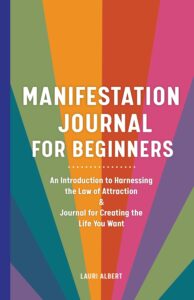
Manifestation Journal for Beginners…
Make your dreams come true using the incredible power of your thoughts Manifestation harnesses the power…

Sage Smudge Kit for Cleansing Negat…
From the brand BHOLI SAGE PLUS Store BHOLI SAGE PLUS Store 🌿Tranquil Fusion: Indulge in a…


Go4Cork Cork Yoga Block | Non-Toxic…
Go4Cork Cork Yoga Block | Non-Toxic, Alternative To Foam Yoga Blocks | Odorless, Soft, Non-Slip, Workout…