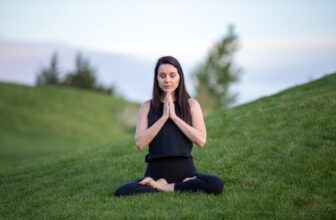


How to Start a Daily Meditation Practice as a Beginner
Starting a daily meditation practice is one of the simplest and most effective ways to support mental clarity, reduce reactivity, and deepen self-awareness. For beginners, the hardest part is often not the technique itself but creating a steady habit that fits into a busy life.
This guide gives clear, practical steps to build a sustainable daily practice, with tools, posture options, troubleshooting tips, and a short checklist you can use right away.
Why a daily practice matters
A daily meditation habit compounds over time: minutes add up to resilience, improved attention, and clearer emotional balance. If you need structured guidance to begin, start with accessible foundational reading to learn common techniques and avoid confusion. A good library of Meditation Books can provide step-by-step instruction, short practices, and explanations of different styles so you can choose what fits you best.
Set realistic, measurable goals
Begin small and specific. Commit to a short duration (2–10 minutes) every day rather than one long session once a week. Use resources that teach incremental skill-building and daily prompts—workbooks and guided curricula are especially useful for beginners. If you prefer a structured plan with exercises and reflections, consider a Mindfulness Workbooks approach to build consistency and track progress.
Create a simple dedicated space
You don’t need an elaborate altar—just a consistent corner where you sit. A stable, clean area signals your brain that it’s time to practice. A thin mat or comfortable floor covering helps define the space and adds a layer of physical comfort, especially if you’ll be sitting daily. If you want a simple, portable foundation for your seat, explore comfortable Meditation Mats designed for home practice.
Find a posture that works for you
Posture matters less than consistency. The key is a position that supports an alert but relaxed spine. Sitting on a chair, cross-legged on a mat, on a cushion, or using a kneeling bench are all acceptable. If you prefer a slightly elevated forward-tilt that helps align the hips and back, a dedicated Meditation Benches can reduce knee and lower-back strain and make sitting easier as you build time.
Use simple props and supports
Props make meditation accessible. Cushions, a supportive mat, or a zabuton reduce discomfort that would otherwise interrupt focus. For beginners who want to cultivate comfort and reduce fidgeting, a quality cushion or cushion set can make short sessions feel effortless and invite daily practice. Consider a proven option like the Bean Products Meditation Cushion Mat Set to support posture and comfort.
Start with focus techniques and guided sessions
Begin with simple focus techniques: breath awareness, body-scan, or a short guided meditation. Guided audio helps keep beginners on track, especially when noticing attention drift can feel discouraging. If you like meditating with audio but want privacy and comfort, consider sound-friendly options like Sleep Meditation Headphones that are designed for relaxed listening and can help you follow guided instructions without external distraction.
Use a timer and track progress
Treat timing as a kindness to yourself: it removes the temptation to check the clock and builds trust that you’ll return to life after the session. Start with brief, consistent intervals and slowly lengthen them. Use simple timers or interval tools that signal the start and end of practice without jarring sounds. A dedicated Meditation Timers can help you manage sessions and progress in a gentle, reliable way.
Troubleshooting common problems
Common beginner problems include restlessness, drowsiness, boredom, and self-judgment. For restlessness, shorten the session or try a standing or walking meditation. For drowsiness, open your eyes slightly or sit more upright. If environmental noise is a problem, address it with softer sound solutions or sensory supports. Small comforts like a warmed eye pillow during early relaxation or restorative sessions can enhance focus—an option to consider is the Lavender Weighted Eye Pillow, which supports relaxation without adding stimulation.
Build consistency and expand gently
Once daily short sessions feel natural, expand slowly—add one or two minutes every week or introduce a new technique weekly. Keep a simple log: date, duration, what you tried, and one observation. Small, steady progress is more durable than bursts of enthusiasm. If you prefer a broader range of short practices, explore cards or decks that offer bite-sized meditations and prompts; these can be useful once your daily rhythm is established.
Quick checklist to start today
- Set a specific, small daily time (e.g., 7 minutes after waking).
- Create a consistent spot—lay down a mat or cushion.
- Choose posture: chair, cushion, or bench.
- Decide on a simple technique (breath count, body scan, or guided).
- Use a gentle timer to end the session reliably.
- Log the session once: duration + one observation.
Conclusion — practical takeaway
Start tiny and consistent: 5 minutes every day with a clear cue, comfortable seat, and a gentle timer will build habit faster than aiming for long sessions you won’t keep. Use supportive tools—books, cushions, timers, or comfortable headphones—to remove friction. Over weeks you’ll notice increased ease, clearer attention, and a practice that integrates into daily life.
FAQ
How long should a beginner meditate each day?
Start with 2–10 minutes daily. Consistency matters more than length; increase gradually when daily short sessions feel easy.
Do I need special equipment to meditate?
No. A chair and a quiet corner work. Equipment like cushions, mats, timers, or comfortable headphones can reduce discomfort and distractions and help you maintain consistency.
What if I can’t stop my thoughts?
Thoughts are normal. Notice them without judgment and gently return to your anchor (breath, body, or sound). This returning is the practice; it strengthens attention over time.
When is the best time to meditate?
The best time is when you can be most consistent—morning routines suit many people, but any quiet, repeated slot works well.
How do I know if my practice is “working”?
Look for small changes: more moments of calm, slightly clearer decision-making, or an easier return to focus. Progress is gradual and often felt as steadier presence rather than dramatic shifts.
Can guided meditations help beginners?
Yes—guided sessions provide structure and instruction that remove confusion. For private, comfortable listening during practice, consider headphones or audio solutions designed for relaxation.
Products Featured in This Article
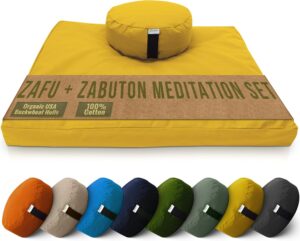
Bean Products Meditation Cushion Ma…
From the brand Shop All Meditation Shop All Meditation 𝐂𝐎𝐌𝐏𝐋𝐄𝐓𝐄 𝐌𝐄𝐃𝐈𝐓𝐀𝐓𝐈𝐎𝐍 𝐒𝐔𝐏𝐏𝐎𝐑𝐓: Our Bean Products Zafu…
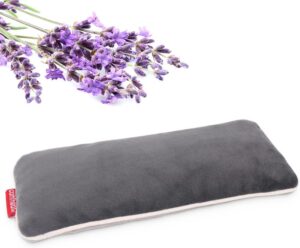
Lavender Weighted Eye Pillow for Yo…
Product description Customer Reviews 4.6 out of 5 stars 373 — 4.6 out of 5 stars…