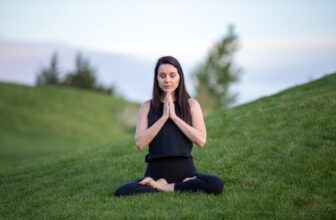


How to Practice Mindfulness in Everyday Life
Mindfulness is the simple, practical skill of paying attention to the present moment with curiosity and without judgment. It’s not a religious ritual or an escape; it’s a reliable way to reduce reactivity, sharpen focus, and feel more grounded in daily life.
This article gives clear, actionable ways to practice mindfulness at home, at work, and in relationships. Each section focuses on specific techniques you can use immediately, plus tools and props that support consistent practice.
What mindfulness really means
At its core, mindfulness is attention + intention. You choose to direct your attention to what is happening now—breath, body sensations, sounds, thoughts—while keeping a gentle, non-reactive stance. That stance allows you to notice patterns (stress responses, habitual judgments) before they drive your behavior.
Micro-practices you can use all day
Long meditation sessions are helpful, but real change happens when you fold short, repeatable practices into daily moments. Try these micro-practices: two conscious breaths before answering a message; a 60-second body scan while waiting for your tea; noticing three sounds during a commute. Keeping a short, focused journal can anchor these habits and deepen reflection — for quick guided prompts try a simple gratitude or mindfulness journal like The One-Minute Gratitude Journal, which encourages daily noticing and brief reflection.
Mindful breathing technique
Breath awareness is the most portable mindfulness tool. Use this simple technique: breathe naturally, and silently label each inhale “in” and each exhale “out.” If your mind wanders, note “thinking” and return to the breath. Start with 2–5 minutes and build from there.
To support this practice, you can also use a gentle auditory anchor—such as a single chime at the beginning and end of a timed practice. A clear, resonant option designed for meditation is a set of Meditation Chimes, which remind you to come back to the present without jarring interruption.
Mindful movement: integrate awareness into motion
Movement practices (walking, stretching, yoga) are excellent vehicles for mindfulness because they couple attention with physical sensation. Move slowly, notice shifts in weight and muscle tension, and coordinate breath with motion. A dedicated surface makes maintaining awareness easier—use a supportive Yoga Mat to define a practice space and reduce distractions from uneven flooring or discomfort.
Supportive props: blocks for alignment
Props help you stay present by removing physical strain that pulls attention away from awareness. Yoga blocks provide stable support for balance and alignment during standing poses, seated stretches, or brief body scans. If you use props, you can spend less time fidgeting and more time noticing breath and sensation. Consider integrating high-density Yoga Blocks into your routine to make mindful movement more accessible.
Comfort and restorative support: bolsters
When your practice aims to calm the nervous system, softness and uplift are essential. Bolsters support the back and hips during restorative poses and seated breathwork, allowing you to release effort and deepen mindful awareness. If you often carry tension, add a Yoga Bolster to your relaxation sequence to create a comfortable, focused container for practice.
Creating a mindful environment
Your environment cues your mind. Small changes—decluttering, a dedicated cushion, a simple altar—signal that you intend to slow down. Some people use gentle cleansing rituals to reset energy and attention before practice. A practical kit for smudging and clearing can make that process easy and consistent; a ready set like the Sage Smudge Kit for Cleansing Negative Energy includes tools and instructions to help you create a mindful pre-practice ritual.
Use sound tools to anchor focus
Sound is a powerful anchor because it lands you in the present without requiring visual focus or inner narration. Singing bowls produce layers of sustained tones that support longer, relaxed attention. If you want a robust sonic anchor for daily practice, a classic option is a handcrafted Tibetan Singing Bowls set, which can mark the beginning and end of sessions and help you return to calm when you feel scattered.
Integrating mindfulness into work and relationships
Mindfulness at work is about micro-breaks and noticing triggers. Set simple cues: five mindful breaths before sending an email, a posture check every hour, or a short grounding practice before meetings. Visual reminders help—positive, brief prompts on your wall or workspace encourage pause and re-centering. Consider simple decor that reinforces your intention, such as Positive Affirmation Wall Art to remind you to return to presence throughout the day.
Troubleshooting: common obstacles and fixes
Expect resistance: restlessness, boredom, or self-criticism are normal. Use strategies that reduce friction—shorter sessions, varied anchors (breath, sound, movement), and supportive props to keep comfort high. If you skip days, remove the all-or-nothing mindset; three mindful breaths are better than none. Make practice obvious: place your mat where you can see it and keep a small journal by your bed to note moments of insight.
Checklist: daily mindfulness habits
- Start the day with 2–5 mindful breaths or a 1-minute body scan.
- Take a “breath pause” before responding to messages or decisions.
- Use a 1–3 minute walking or stretching practice mid-day.
- Create a simple pre-practice ritual (light a smudge stick or ring a chime).
- Keep a short gratitude or reflection entry each evening.
- Use props (mat, block, bolster) to reduce physical distraction.
Conclusion — one practical takeaway
Start small and anchor new habits to existing routines: after the kettle boils, do two conscious breaths; before you open email, pause and ground. Use one supportive tool—like a mat, block, or chime—to reduce friction and keep returning to the present. Consistency over intensity is what creates genuine change.
FAQ
Q: How long should I practice each day?
A: Even 1–5 minutes daily builds attention; add longer sessions (10–30 minutes) as your habit stabilizes.
Q: What if I can’t stop thinking?
A: Thoughts are normal. Label them (“thinking”) and return to your anchor—breath, sound, or body sensation—without judgment.
Q: Which tools help beginners most?
A: A defined space (a durable mat), a simple prop for comfort (a block or bolster), and a short journal for reflection can make practice easier and more motivating.
Q: Can mindfulness help with stress at work?
A: Yes—micro-practices like brief breath pauses, posture checks, and one-minute grounding exercises reduce reactivity and improve clarity.
Q: How do I maintain motivation?
A: Tie practice to an existing habit, track brief daily wins (even a single line in a journal), and use physical reminders like a mat or wall art to cue behavior.
Products Featured in This Article

The One-Minute Gratitude Journal
Cultivating an attitude of gratitude yields many benefits: physical, mental and spiritual. In this Journal, you…

Sage Smudge Kit for Cleansing Negat…
From the brand BHOLI SAGE PLUS Store BHOLI SAGE PLUS Store 🌿Tranquil Fusion: Indulge in a…