


How to Develop Your Intuition and Trust Your Inner Guidance
Intuition is a practical skill, not a mystical gift reserved for a few. It shows up as a quiet nudge, a bodily sensation, or a recurring idea that points you toward useful decisions. With consistent practices you can strengthen that voice and learn to distinguish true guidance from fear or wishful thinking.
Whether you’re new to inner work or looking to refine a steady practice, this article gives clear, actionable steps and tools to develop your intuition. For a broad set of resources and items that support an intuitive practice, explore SpiritualMindScience.
What intuition actually feels like
Intuition often communicates in sensations: warmth, a sinking feeling, a lightening of the chest, or a stillness that accompanies clarity. It can also arrive as a visual image, a phrase, or a strong preference that feels neutral rather than emotionally charged. Practice noticing the difference between reactive thoughts (fear, craving) and quiet guidance (calm clarity, steady pull).
Create consistent quiet time
Developing intuition requires space to listen. Start with five to fifteen minutes a day of seated silence, breath awareness, or a guided practice. Using sound tools can help you settle quickly into receptive states—gentle tones can anchor attention and mark the beginning and end of a listening session. Consider adding Meditation Chimes to a ritual to cue focus and calm the nervous system.
Daily micro-practices to build the “intuitive muscle”
Small, consistent habits strengthen intuition more than occasional intense experiences. Try these micro-practices: 1) a morning 3-minute body scan; 2) a single question before a meeting (“What is most useful right now?”); 3) a quick imagination exercise where you picture two outcomes and notice which feels right.
If you like guided prompts, short decks of cards can introduce daily questions and reminders to pause and listen. A practical option is a Mindfulness Card Decks set with one-card draws to prompt reflection and pattern noticing.
Journal: test your hits and track results
Testing intuition requires feedback. Record intuitive impressions and outcomes in a dedicated notebook. Note the question, the impression, and what actually happened. Over time you’ll see patterns—what tone of intuition is most reliable for you and when your mind is confusing fear with guidance.
Use a focused journal that encourages structure—date, question, impression, evidence—so your notes are comparable. A helpful tool for forming this habit is the Manifestation Journal for Beginners, which provides prompts and a format that supports consistent tracking.
Clear the space and your energy to hear more clearly
Physical and energetic clutter interferes with subtle signals. A brief clearing ritual before tuning in helps: open a window, tidy the immediate area, and let your breathing slow for several minutes. You can also set an intention to receive accurate, loving guidance.
For people who find environmental supports useful, working with stones and crystals can establish a focused area for practice. A curated Healing Crystal Sets can create a consistent altar or practice corner that signals your mind to shift into listening mode.
Create layouts that amplify clarity: grids and placement
Crystal grids and structured layouts act as visual anchors and can help you maintain focus when testing intuitive hits. They don’t replace practice, but they provide a repeatable container for intention-setting and data collection about what you sense during sessions.
If you use crystals, consider a dedicated grid board to keep patterns consistent across sessions—this makes it easier to compare results. A practical option is a Crystal Grid Boards piece for laying out stones and marking the energy pattern you intend to work with.
Use directive tools for precise feedback
Some tools help make intuitive impressions more specific and testable. Crystal wands, for example, can be used to scan your body or a written question to see where energy shifts occur—these shifts can be recorded and checked against outcomes.
For reliable, focused use chose high-quality implements. A well-shaped Crystal Wands piece can be a practical instrument for body-based sensing and directional queries during an intuition practice.
Safely use divination tools as calibration devices
Divination aids—pendulums, runes, cards—are best used as calibration tools to translate subtle impressions into yes/no or symbolic answers you can track. Use them only after you’ve done quieting practices and journaling so your responses are less ego-driven and more balanced.
If you want a straightforward tool for yes/no calibration, a set like the DUQGUHO 3 Pcs Crystal Pendulums Set gives a simple, repeatable way to begin testing small questions and recording consistency over time.
How to differentiate intuition from fear
Fear pushes with urgency, energy, and repetitive negative scenarios. Intuition is quieter, often accompanied by a sense of neutrality and clarity. When a thought arises, pause: breathe and ask, “Is this fear-based or insight-based?” Notice body sensations (tightness vs. openness) and consult your journal record to see which type of impression historically yields reliable outcomes.
Checklist: A simple daily intuitive practice
- Morning: 3–5 minute breath/body check-in.
- One focused question before noon; note the first impression.
- Use a single card or prompt from a deck when stuck (optional).
- Record impressions and outcomes in your manifesting/journaling page.
- End-of-day: review one intuitive hit; update your confidence rating.
FAQ
- Q: How long before I notice improvement?
A: Many people notice small shifts within 2–4 weeks of daily micro-practices; reliable pattern recognition usually takes a few months of consistent tracking. - Q: Can anyone develop intuition?
A: Yes. Everyone receives subtle information; the difference is practice and the quality of feedback you provide yourself. - Q: Are tools necessary?
A: No—tools are supportive. Quiet practice and journaling are the core steps; tools help create consistency and measurable feedback. - Q: What if my intuition contradicts logic?
A: Treat it as additional data. Test small choices first, collect outcomes, and integrate both rational analysis and intuitive sensing for larger decisions. - Q: How do I avoid wishful thinking?
A: Use neutral phrasing, short timeframes, and record outcomes. The discipline of honest feedback reduces bias quickly.
Conclusion — Practical takeaway
Start small: daily quiet time, one focused question, and consistent journaling. Use supportive objects and structures—like crystals, grids, sound, and a calibration tool—to create repeatable conditions. Track results honestly and adjust. Over weeks, those small steps build a dependable inner compass you can trust.
Products Featured in This Article

DUQGUHO 3 Pcs Crystal Pendulums Set…
Product description Welcome to DUQGUHO! Wish You Have a Good Day! Designed for crystal beginner and…
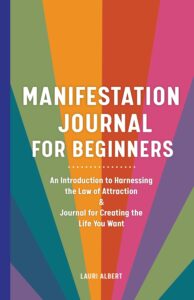
Manifestation Journal for Beginners…
Make your dreams come true using the incredible power of your thoughts Manifestation harnesses the power…