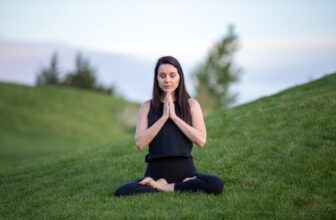


How to Create a Calming Bedtime Routine for Better Sleep
Good sleep starts long before your head hits the pillow. A simple, reliable bedtime routine signals your nervous system to downshift, reduces bedtime anxiety, and helps you fall asleep faster and stay asleep longer.
This post gives practical steps for building a calming pre-sleep ritual you can follow nightly, plus specific tools and small habits to try. Use what fits your life, refine it, and keep consistency as your main goal.
Why a bedtime routine matters
Habits shape physiology. When you repeat the same soothing activities each night, your brain learns to associate those cues with sleep. Over weeks this lowers nighttime arousal, reduces racing thoughts, and strengthens your circadian rhythm.
Set a consistent sleep schedule
The single most impactful change is regular timing. Aim to go to bed and wake up within a 30–60 minute window daily, even on weekends. Consistency anchors your hormones and sleep drive.
Design a 60–90 minute wind-down window
Reserve the last 60–90 minutes before bed for low-stimulation activities: dim lights, gentle movement, light reading, journaling, or a short guided meditation. Keep this window electronics-light: if you must use screens, turn on a blue-light filter and reduce brightness.
Use a simple visual countdown to help you respect the window and avoid getting pulled into late-night tasks. A timed wind-down removes decision fatigue and makes the routine automatic: Meditation Timers.
Create a calming bedroom environment
Your bedroom should cue relaxation. Dim overhead lights, block noise where possible, and keep temperatures cool (around 60–68°F / 15–20°C if feasible). Soft textures and minimal clutter help the mind settle.
Incorporate gentle aromatherapy to signal rest—lavender, chamomile, and a “sweet dreams” blend support relaxation. A small diffuser can be used on a low setting to avoid overpowering the room: consider calming essential oil sets for your diffuser like ASAKUKI Essential Oils.
Evening movement, breathwork, and sound
Thirty minutes of restorative movement—gentle yoga, stretching, or slow walking—reduces physical tension. Follow with 5–10 minutes of diaphragmatic breathing or box breathing to slow heart rate.
Sound can be a powerful anchor. Low-frequency tones, chimes, or singing bowls help shift brainwaves toward relaxation. If you use sound intentionally, choose a simple, calming instrument and play lightly for a few minutes: explore options like Tibetan Singing Bowls.
Relaxation aids: eye pillows, warmth, and touch
Small sensory supports accelerate relaxation. A weighted or lightly warmed eye pillow over the eyes and forehead reduces visual input and stimulates the parasympathetic nervous system. Use one during your last breathing or lying-down practice: Meditation Eye Pillows.
Energetic clearing before sleep
If you find bedtime thoughts or charged energy keep you awake, add a short clearing ritual. Smudging with white sage or a gentle herbal bundle can help set an intention to release the day’s tension—do this safely and with good ventilation: Sage Smudge Kit for Cleansing.
Crystals and grounding stones for sleep support
For many, placing calming stones near the bedside or under a pillow provides a tangible cue to relax. Choose stones associated with peaceful energy—qualities vary by tradition, so pick what resonates and keep it simple: Chakra Stone Sets.
Mindset tools: journaling to clear the mind
Spend 5–10 minutes writing a brief gratitude list or jotting down tomorrow’s tasks to offload worry. Short, focused journaling reduces rumination and makes it easier to let go. For quick nightly practice, try a concise guided journal: The One-Minute Gratitude Journal.
Short rituals and prompts to end the day
If you prefer guided prompts rather than open journaling, use a deck of short mindfulness prompts or questions. Pull one card, reflect for a few minutes, and close the routine with three deep breaths—this creates consistency while keeping the practice brief: Mindfulness Card Decks.
Sample calming bedtime routine (30–90 minutes)
- 90 min before: turn off bright screens; dim lights.
- 60 min before: light movement or gentle yoga (10–20 min).
- 45 min before: aromatic diffuser on low; tidy a little.
- 30 min before: brief journaling or gratitude practice (5–10 min).
- 15 min before: warm shower, calming breathwork, soft sound or singing bowl for 3–5 minutes.
- At bed: place eye pillow, set timer for sleep sounds or silence, lights out.
Quick checklist
- Set a consistent bedtime and wake time.
- Create a 60–90 minute wind-down window.
- Remove or dim screens in that window.
- Use one sensory anchor (scent, sound, or touch).
- Spend 5–10 minutes journaling or using a prompt card.
- Keep the bedroom cool, dark, and quiet.
- Use gentle tools (eye pillow, stones, or diffuser) as cues.
Conclusion: one practical takeaway
Start small: pick two non-negotiable steps you can do nightly—one environmental (dim light or scent) and one behavioral (journaling or breathwork). Repeat them for three weeks before adding anything else. Consistency, not perfection, creates lasting change.
FAQ
Q: How long until a routine improves my sleep?
A: You can notice small benefits within a few nights, but the strongest effects come after 2–4 weeks of consistent practice.
Q: What if I work night shifts or have an irregular schedule?
A: Anchor your sleep routine to the time you need to fall asleep, not an arbitrary hour. Keep the same pre-sleep steps and environment regardless of clock time.
Q: Are aromatherapy and crystals safe to use nightly?
A: Yes, when used mindfully. Use low concentrations of essential oils, ensure good ventilation, and avoid placing small stones where they could be a hazard on a pillow. If you have allergies or sensitivities, test briefly first.
Q: Can sound practices actually help me fall asleep?
A: Low, steady sounds or brief guided sound practices can help many people by lowering heart rate and promoting relaxation. Keep volume low and stop sound before deep sleep if it disturbs you.
Q: I lie awake worrying—what quick tools help right away?
A: A two-minute breathing practice (4-6 seconds in, 6-8 seconds out), a one-minute gratitude note, or pulling a single mindfulness prompt card can break the worry loop and redirect your focus.
Q: Which small items are worth investing in?
A: Consider a simple eye pillow, a compact diffuser and calming essential oil set, a short gratitude journal, or a small sound tool like a singing bowl—each offers a low-cost, high-impact cue for relaxation.
Products Featured in This Article

The One-Minute Gratitude Journal
Cultivating an attitude of gratitude yields many benefits: physical, mental and spiritual. In this Journal, you…
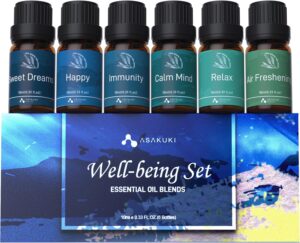
ASAKUKI Essential Oils, Well-Being …
Product description ASAKUKI Essential Oil Diffuser With Oils Set Add to Cart Add to Cart Add…

Sage Smudge Kit for Cleansing Negat…
From the brand BHOLI SAGE PLUS Store BHOLI SAGE PLUS Store 🌿Tranquil Fusion: Indulge in a…