

Disclosure: This article contains affiliate links. If you purchase through one of these links, we may earn a commission at no additional cost to you.
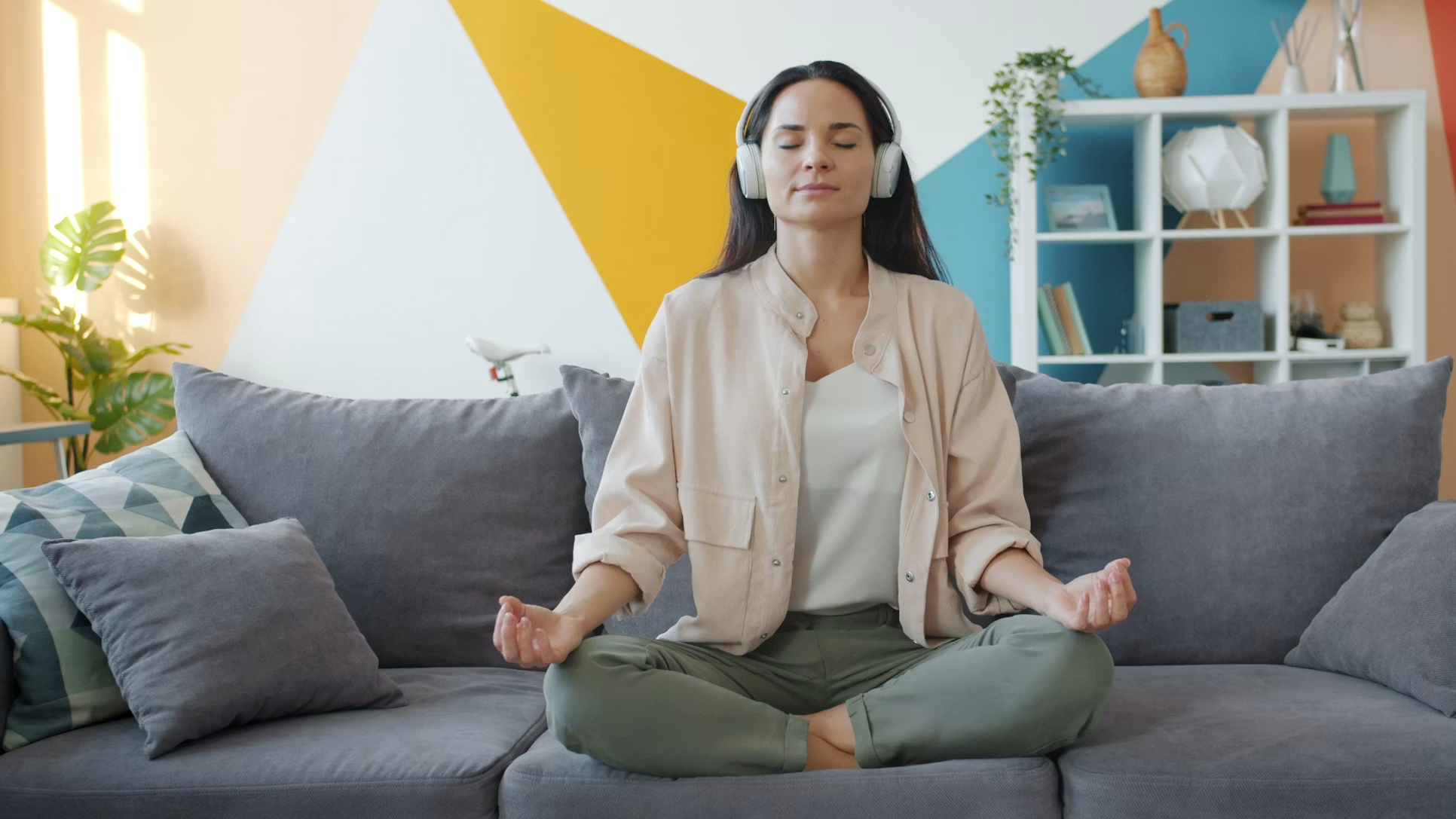
Binaural beats meditation music is sometimes marketed as a fast route to calm, focus, sleep, or spiritual depth. A more grounded approach is to treat it as intentional audio for a specific routine: a seated meditation, a quiet wind-down before bed, a stationary focus period, or a reflective personal practice.
The listening setup is straightforward, but the claims surrounding it can be confusing. A binaural beat is a perception associated with hearing two nearby tones separately, one in each ear. Some people enjoy this kind of audio and find that it helps mark the beginning of a chosen practice. Others notice little difference, find the tones distracting, or prefer ordinary instrumental music, nature sounds, guided meditation, or silence.
This guide explains what makes binaural audio distinct, why stereo headphones usually matter, what research can and cannot establish, and how to choose downloadable meditation music without expecting a frequency label or track title to guarantee a result.
Readers who want to compare the guide with the official offer can review the current details for Ennora – Binaural Beats Meditation Music and Audio Programs.
What Are Binaural Beats?
A binaural beat begins with two steady tones that are close together in pitch. One tone is presented to the left ear and the other to the right. The auditory system may then perceive a gentle rhythmic pulse corresponding to the difference between the two tones. For example, tones at 200 Hz and 208 Hz may be associated with a perceived 8 Hz beat.
The perceived beat is not necessarily a third sound physically added to the recording. It arises from how the separately presented tones are processed by the listener. Many binaural-beat recordings place these tones beneath ambient pads, soft music, rainfall, or other sound elements, so the result can feel less clinical than listening to two plain test tones.
It is important to distinguish this auditory phenomenon from broader promises. The perception itself is well documented under appropriate listening conditions, but it does not mean every recording will create the same mental state for every person. Response can vary with the audio design, volume, listening environment, fatigue, hearing, expectations, and personal preference.
Binaural Beats vs. Ordinary Meditation Music
Ordinary meditation music may use slow instrumental passages, drones, singing bowls, nature recordings, white noise, or a guided voice. None of those formats needs a special left-and-right frequency arrangement to be useful. For many listeners, familiar calming sounds simply create a dependable cue to sit quietly, breathe, journal, stretch gently, or prepare for rest.
Binaural-beat meditation music adds a specific stereo design: separate tones are intended to reach separate ears. The track may also include ambient music or soundscapes, but this left-right presentation is what distinguishes it from a standard relaxation recording.
Neither format is automatically superior. Someone who dislikes wearing headphones, is sensitive to tonal sounds, or wants unobtrusive background audio may prefer regular meditation music. Someone who enjoys focused headphone listening may wish to explore binaural audio as an optional part of a settled routine. The useful question is not which format is more powerful, but which one supports the practice without creating discomfort or pressure.
Why Stereo Headphones Are Normally Required
Stereo headphones are normally needed because they help keep the left and right tones separate. When both channels blend in a room through speakers, the intended binaural presentation is not reliably maintained. A track can still be pleasant through speakers, but it is no longer being heard in the setup designed for the binaural effect.
Comfort matters more than expensive specifications. Choose headphones with clear stereo channels that feel comfortable for the length of your planned session. Begin at a low or moderate volume. Louder playback does not make the effect more dependable, and high volume can cause listening fatigue or strain.
Use binaural audio while seated, reclining, or safely preparing for rest. It is not appropriate for driving, operating machinery, cycling in traffic, or any circumstance in which you need full awareness of your surroundings. Sleep and deep-meditation recordings should not be used while exercising, walking around, working with equipment, or doing other activities where reduced alertness could create risk.
- Use comfortable stereo headphones with separate left and right channels.
- Keep the volume at a comfortable, non-fatiguing level.
- Choose a still, low-demand setting where a relaxed or inward-focused state is safe.
- Lower the volume, change tracks, or stop if the sound feels intrusive, agitating, painful, or tiring.
What Does the Research Actually Say?
Research supports the fact that binaural beats can be perceived under suitable listening conditions. The larger claims often made about them are less certain. Studies examining brainwave entrainment, relaxation, concentration, sleep, and related outcomes have used different frequencies, recording lengths, participant groups, comparison conditions, and measures. Results are mixed, and the evidence does not support treating a particular track as a reliable way to produce a fixed psychological or biological state.
This does not mean a listener cannot find a track personally useful. A steady sound may help one person remain with a twenty-minute sitting practice, reduce household distractions during a quiet desk session, or create a clearer transition into a bedtime routine. Another person may feel neutral, restless, or distracted. Those observations are meaningful for choosing audio, but they are not proof that a named frequency produces the same outcome for everyone.
Terms such as alpha, theta, delta, focus, confidence, deep meditation, or sleep are best read as descriptions of a recording’s intended mood or use context. They are not guarantees, diagnostic labels, or treatment claims. Binaural audio is not medication, therapy, a sleep-disorder intervention, or a replacement for medical, psychological, or professional sleep care.
Common Binaural-Beat Meditation Music Categories—and What They Are For
Category names can make a large audio catalog easier to navigate, as long as they are interpreted modestly. Meditation or deep-meditation audio may suit quiet sitting, breath awareness, a body scan, or reflective journaling. Its practical role is to create a contained period for a contemplative habit.
Concentration, mind-focused, or brain-themed recordings are generally intended for a quiet, stationary reading or single-task work session. They should not be understood as promises of improved intelligence, memory, or lasting cognitive change. Relaxation, stress-release, recharge, and refresh themes may fit a transition after a demanding day, but they are not treatment for anxiety, burnout, or other health concerns.
Sleep preparation, deep-dream, and dream-themed tracks are best viewed as wind-down resources for use before rest or while safely in bed. They cannot cure insomnia or replace assessment for persistent sleep problems. Creativity and confidence themes can function as personal pre-task rituals rather than guaranteed changes in performance or emotion.
Finally, chakra, spiritual awareness, lucid-dreaming, astral-projection, and similar categories belong to personal spiritual or metaphysical practice. These are vendor-selected themes. A title may appeal to someone’s beliefs or reflective interests, but it does not verify that the recording will produce a chakra outcome, lucid dream, supernatural event, or spiritual awakening.
How to Choose a Track for Your Intended Routine
A clear routine is more useful than a broad hope. Rather than looking for the “most powerful” track, choose audio that matches a safe moment in your day and one modest purpose.
- Name one purpose. For example, choose a 25-minute seated meditation, a quiet focus block at a desk, or a pre-bed wind-down.
- Match the category to the setting. Meditation audio suits stillness; focus-themed audio may suit stationary desk work; sleep-oriented audio belongs only when rest is the next activity.
- Consider your sound tolerance. Some listeners enjoy a noticeable pulse, while others prefer a soft musical bed. Use a sample where available to assess comfort before selecting a download.
- Keep the first session simple. Sit or recline, use stereo headphones, and avoid combining the audio with demanding tasks or several new techniques at once.
- Judge the track by whether it supports the routine. Feeling neutral is useful information too; there is no need to force an interpretation or continue with unpleasant audio.
A Simple First-Week Listening Plan
A short, low-pressure trial allows you to assess the audio without turning it into a test of progress. The goal is not to achieve a named state. It is to notice whether the recording fits a consistent and safe practice.
- Days 1 and 2: Choose one category and listen during a short, still session at a comfortable volume. Notice practical factors such as headphone comfort, pacing, and distraction.
- Days 3 and 4: Repeat in roughly the same setting and at a similar time of day. Pair the audio with one simple practice, such as natural breathing, quiet sitting, or a brief journal entry.
- Days 5 and 6: Consider whether the sound helps you begin or remain with the routine. If it feels irritating or overstimulating, try another category or return to ordinary meditation music or silence.
- Day 7: Review the routine rather than searching for dramatic effects. A useful track is one that feels comfortable and makes the chosen practice easier to revisit.
- At any point: Stop listening if the experience is unpleasant. A track is not a measure of spiritual ability, discipline, or personal development.
Safety, Comfort, and When to Seek Professional Advice
Wellness audio deserves the same common-sense boundaries as any practice that may affect relaxation, alertness, or sleep habits. A cautious setup protects both comfort and attention.
- Do not listen while driving, operating machinery, cycling in traffic, or doing any activity that requires full awareness of the environment.
- Do not use sleep or deep-meditation audio while working, exercising, walking around, or completing tasks where reduced attention could be unsafe.
- Keep playback at a comfortable volume. Take a break if the sound causes discomfort, agitation, headache, dizziness, or hearing strain.
- Seek appropriate professional advice before use if you are pregnant or nursing; have a heart condition or pacemaker; or have a history of seizures or epilepsy.
- Professional guidance is also appropriate if you have medical, neurological, psychiatric, hearing, sleep, or cardiovascular concerns, especially when changing relaxation, alertness, or bedtime habits.
- Do not use audio as emergency mental-health support or as a replacement for care, treatment, prescribed medication, therapy, or professional sleep support.
Where Ennora Fits: A Downloadable Binaural-Beat Audio Collection
For adults who decide that stereo binaural audio suits their routine, Ennora is one optional collection of downloadable binaural-beat meditation recordings. The vendor offers individual tracks and themed multi-track packs aimed at meditation, relaxation, sleep preparation, concentration, personal wellness, and spiritual exploration. These are digital audio products rather than physical CDs.
According to vendor-presented information, tracks are supplied as 320 kbps MP3 downloads, most individual recordings run for approximately 27 to 31 minutes, and a free sample is available. The collection is intended for adults aged 18 and over, and stereo headphones are needed for the intended binaural listening setup.
These details describe the vendor’s current offering rather than independently established outcomes. Ennora recordings remain optional meditation and wellness resources, not medical, psychological, or sleep-disorder treatment. Product selection, track length, availability, pricing, download arrangements, and policies may change, so readers should confirm current information on the official product and checkout pages before purchasing.
Understanding Ennora’s Individual Tracks and Themed Packs
Current Ennora individual titles include Deep Concentration, Perfect Sleep, Stress Release, Recharge and Refresh, Creative Mind, Confidence Booster, Crystal Clear Mind, Brain Power, Deep Dreams, Lucid Dreams, Chakra Balance, God Consciousness, Love Attraction, and Astral Projection. These names may help a listener identify a theme or practice context, but they should not be read as clinical, cognitive, supernatural, or spiritual guarantees.
For instance, someone seeking a quiet desk ritual might consider a concentration-themed title such as Deep Concentration or Crystal Clear Mind. Someone building a bedtime wind-down could review Perfect Sleep or Deep Dreams. A listener interested in contemplative or symbolic spiritual practice may be drawn to Chakra Balance, God Consciousness, Lucid Dreams, or Astral Projection. The sensible question is whether the theme fits a safe personal routine, not whether it can promise a particular experience.
Current multi-track options include the Balance Pack, Meditation Pack, Mind Power Pack, Mystic Pack, Sleep Pack, and Super Pack. A themed pack can provide variety across several routines, while an individual recording keeps early experimentation simpler. Review the current titles and included contents before deciding, since pack composition may change.
Who May Prefer an Individual Ennora Track—and Who May Prefer a Pack
An individual download may suit someone with one clear use in mind: a regular seated meditation, a stationary focus block, or a pre-sleep transition. Starting with one track reduces variables and makes it easier to decide whether binaural listening is personally enjoyable and practical.
A pack may suit an experienced meditator, or a listener who genuinely maintains several distinct routines and wants a choice of themes. Variety is not automatically an advantage. A larger library can encourage endless sampling instead of a consistent practice, particularly for beginners. Reviewing the included tracks first can help avoid choosing a bundle built around themes that are unlikely to be used.
Before purchasing, verify the current selection, price, availability, track durations, download terms, refund information, and the contents of any pack on the official product and checkout pages. Choose based on a realistic routine and comfortable listening conditions, rather than expecting a title alone to create a specific outcome.
A Grounded Way to Explore Binaural Audio
Binaural beats meditation music is best approached as a structured listening option, not a promise. With stereo headphones, a comfortable volume, and a safe still setting, it may become a pleasant cue for meditation, quiet focus, rest preparation, or personal reflection.
Begin with one modest intention and give the routine a few calm sessions. Keep what genuinely supports your practice, and leave behind what does not. Whether your preferred companion is binaural audio, ordinary meditation music, guided practice, or silence, the more valuable outcome is a sustainable routine that respects comfort, safety, and appropriate professional care when needed.
Frequently Asked Questions
Do binaural beats work without headphones?
The intended binaural effect normally requires stereo headphones because each ear needs to receive a slightly different tone. Speakers blend the channels in the room, so left-right separation is not reliably maintained. A recording may still sound pleasant through speakers, but it is not the same listening setup.
Are binaural beats meditation music scientifically proven to change brainwaves?
The auditory perception of a binaural beat is established, but broader research on brainwave entrainment and consistent wellness outcomes remains mixed. Study methods and findings vary. It is not accurate to say that a particular track will reliably change brain activity or create a specific state in every listener.
What is the difference between binaural beats and regular meditation music?
Regular meditation music may use instruments, ambient textures, nature sounds, or guidance without separate left- and right-ear tones. Binaural-beat music is designed to present nearby tones separately to each ear, usually through stereo headphones. Both can be used as part of a meditation routine.
Which binaural-beat audio category is best for a beginner?
A general meditation, relaxation, or gentle focus category is often the simplest place to begin, depending on the setting you have planned. Choose one routine rather than pursuing several outcomes at once. A sample can help determine whether the sound itself is comfortable before selecting a full download.
Can I listen to binaural beats while sleeping, working, or exercising?
Sleep-oriented audio may be used while safely preparing for rest or in bed, but not while working, exercising, or moving around. Focus-oriented audio may suit quiet, stationary desk work if it remains comfortable. Do not listen while driving, cycling in traffic, operating machinery, or performing tasks that demand full attention.
Are Ennora audio programs physical CDs or digital downloads?
Ennora is presented by the vendor as a collection of digital audio downloads rather than physical CDs or shipped products. Confirm the current delivery and download details on the official product and checkout pages before purchase.
How long are Ennora’s individual binaural-beat tracks?
The vendor states that most individual Ennora tracks run for approximately 27 to 31 minutes. Duration may vary by recording and can change, so confirm the current product information before buying.
Are spiritual, chakra, lucid-dreaming, and astral-projection-themed tracks guaranteed to create those experiences?
No. These are vendor-selected themes or intended practice contexts, not verified outcomes. They may appeal to people exploring personal spiritual or reflective practices, but they cannot guarantee lucid dreams, chakra effects, astral projection, altered consciousness, or other specific experiences.