


A Beginner’s Guide to Dream Interpretation
Dreams are a natural part of sleep but often feel mysterious when we wake. Interpreting dreams is a practical skill: it helps you notice patterns, access creativity, and understand emotions that are harder to see while awake.
This guide gives clear, step-by-step approaches to remembering, recording, and interpreting dreams. It also recommends simple supportive tools and practices that many people find helpful for regular dream work.
How dreams function: a practical overview
Dreams are not literal predictions. They are symbolic ways your mind processes emotions, memories, unresolved issues, and creative impulses. REM sleep cycles build narratives that combine recent experiences, long-term memories, and emotional imprints.
When interpreting, treat dream images like metaphors: ask “what does this image represent to me?” rather than seeking one fixed meaning. Context—your current life, feelings, and personal associations—matters most.
Build a reliable dream recall routine
Improving recall is the first practical step. Place a notebook by your bed and write immediately on waking—even single words help. If you wake in the night from a dream, stay still and replay the dream silently before recording it.
Using a physical journal can make the habit stick. A structured option like the Manifestation Journal for Beginners can be repurposed for nightly dream entries and intention setting, with prompts that help you notice themes over time.
Step-by-step method for interpreting a dream
Follow this clear process after recording your dream:
- Summarize: Write a two-sentence summary of the dream to capture the gist.
- Identify emotions: Note the strongest feelings in the dream and upon waking.
- List symbols: Pick 3–5 striking images (people, animals, places, objects).
- Associate personally: For each symbol, list what it means to you—memories, people, roles, fears, desires.
- Look for patterns: Compare recent entries to spot recurring symbols or emotions.
- Form a hypothesis: Create one practical insight or question to test during your day (e.g., “Is there a situation where I feel out of control?”).
- Apply and reflect: Notice if the insight resonates during your waking life, then revisit the dream later.
Common dream symbols and practical interpretations
Certain symbols appear frequently but carry different personal meanings. Here are practical starting points:
- Falling: often linked to fear of losing control or insecurity.
- Teeth falling out: common during periods of transition, self-image concerns, or communication anxieties.
- Being chased: usually points to avoidance—an emotion, task, or person you prefer not to face.
- Water: represents emotions; calm water suggests emotional balance, turbulent water signals overwhelm.
- Houses: different rooms can symbolize parts of your psyche—basement for the unconscious, attic for higher thought or memory.
When you see a symbol, ask: “What does this object or scene mean to me today?” That personal association gives the most useful interpretation.
Tools and rituals to support dream work
Creating a consistent environment and simple rituals can improve recall and deepen interpretation. Gentle aids to sleep and focus include supportive eye coverings and sound practices.
Try using a soft Meditation Eye Pillow at night to reduce light and cue your mind to rest. The physical cue helps some people maintain intention for dream recall.
Sound healing before sleep can also calm the nervous system. Instruments like Tibetan Singing Bowls or gentle chimes help you move into a receptive state for memorable dreams.
Energetic or symbolic supports—if you resonate with them—can focus your intention. A Crystal Grid Board allows you to lay out stones with an intention for a clear dream, while a bedside Crystal Tower can serve as a visual reminder of that intention.
Preparing your space: cleansing and setting intention
Before sleep, a short cleansing ritual can help reduce mental clutter. Smudging with a Sage Smudge Kit or lighting a calming incense prepares the bedroom psychologically and energetically for focused dreaming.
Complement cleansing with tools that balance energy. A small Chakra Stone Set placed on a nightstand or under a pillow can be used to set an intention for emotional clarity and balanced dreaming.
Creative prompts to deepen interpretation
When you’re stuck, prompts help you explore a dream’s layers. Use question cards or short prompts after journaling to shift perspective. For example, draw a card from a prompt deck and answer it in relation to the dream.
A structured option such as Mindfulness Card Decks can provide brief prompts to guide reflection, turning an unclear dream into actionable insight.
Checklist: Nightly and morning routine for dream work
- Set a simple intention before bed (one sentence).
- Prepare the space: low light, comfortable pillow, optional cleansing.
- Keep a notebook and pen within reach.
- On waking, stay still and recall images for 30–60 seconds.
- Write a summary, emotions, and symbol associations immediately.
- Review entries weekly for patterns and insights.
FAQ
Q: How often should I record dreams?
A: Daily is ideal, even if you only capture fragments. Regular recording strengthens recall and reveals patterns faster.
Q: Can objects like crystals actually affect dreams?
A: Objects serve as reminders and psychological anchors. The effect is typically through focused intention and improved ritual consistency rather than scientific guarantees.
Q: I have vivid nightmares—should I interpret them?
A: Yes, with care. Look for themes and emotional triggers. If nightmares are frequent and disruptive, consult a qualified healthcare professional for further support.
Q: What if my dream symbols don’t match common meanings?
A: Personal associations matter more than dictionary meanings. Always start by asking what the symbol means to you in your present life.
Q: Are there tools to help me set intentions for specific types of dreams?
A: Yes. People use intentional objects or grids—placing stones on a crystal grid board or arranging bedside crystals to focus a specific dream intention.
Practical next steps and a final tip
Begin with one week of consistent practice: set a nightly intention, use a supportive item such as an eye pillow, and record every morning. After seven days, review entries to identify one pattern to explore further.
For a small, practical enhancement to your bedside setup, consider placing a dedicated crystal or tower near your journal—this simple cue supports the habit of intentional dreaming and reflection.
Takeaway: Dream interpretation becomes useful through routine—record, reflect, and apply one small insight from your dream each day.
Products Featured in This Article

Unscented Weighted Eye Pillow for Y…
Product description Customer Reviews 4.1 out of 5 stars 181 4.2 out of 5 stars 337…
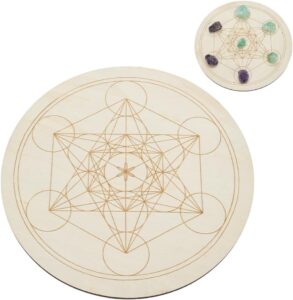
INFUNLY Wooden Crystal Grid Board M…
From the brand INFUNLY INFUNLY INFUNLY INFUNLY INFUNLY INFUNLY INFUNLY INFUNLY INFUNLY Symbol of Sacred Geometry:…

Manifestation Journal for Beginners…
Make your dreams come true using the incredible power of your thoughts Manifestation harnesses the power…

Sage Smudge Kit for Cleansing Negat…
From the brand BHOLI SAGE PLUS Store BHOLI SAGE PLUS Store 🌿Tranquil Fusion: Indulge in a…