

What Is Spiritual Awakening? Common Signs and Stages
Spiritual awakening is a shift in awareness that changes how you see yourself, others, and life’s purpose. It is not a single event for most people but a process that unfolds over time, often triggered by stress, loss, inspiration, or sustained spiritual practice.
If you’re beginning to notice inner changes, practical guidance and reliable resources can help you stay grounded and integrate what arises. For a curated collection of supportive materials and tools, explore the SpiritualMindScience offerings.
1. What does a spiritual awakening actually mean?
At its core, spiritual awakening is an expansion of consciousness: a loosening of identification with purely personal stories, egoic concerns, and habitual thought patterns. This can bring clarity, compassion, and a stronger sense of connection, but it can also surface old wounds and require intentional integration.
2. Common mental and emotional signs
Many people report similar psychological patterns as awakening begins. Expect some combination of:
- Heightened introspection and self-inquiry.
- Reduced interest in materialism or social validation.
- Episodes of intense emotion, sadness, or grief as old conditioning releases.
- Increased empathy, sensitivity to others, and intuitive knowing.
- Periods of mental restlessness or confusion before clarity emerges.
Reading targeted material can help you understand and normalize these experiences; practical primers on meditation and inner work are especially useful—consider exploring focused titles in our Meditation Books collection.
3. Physical and energetic signs to watch for
Awakening often shows up as physical changes: shifts in sleep patterns, energy surges or dips, body sensations like tingling, and greater awareness of subtle energy in the body. Some people become more sensitive to food, chemicals, or crowded places.
Sound and vibration can be powerful supports for energetic balancing. Tools like Crystal Singing Bowls are commonly used in practices that calm the nervous system and help integrate somatic shifts.
4. The common stages of awakening (practical map)
While everyone’s path is unique, many people move through recognizable phases:
- Pre-awakening: discomfort, questioning, and a sense that “something’s off.”
- Trigger and initial opening: a pivotal experience or cumulative pressure that breaks open perspective.
- Purge and shadow work: emotional release, reactivity, and confronting suppressed material.
- Integration: new habits, spiritual practices, and lifestyle adjustments that stabilize the shift.
- Stabilization and service: clearer values, steady presence, and oriented action in daily life.
During purge and clearing phases, ritual and cleansing practices can support safety and clarity—simple, tested kits like our Sage Smudge Kits offer a straightforward method for energetic clearing when used mindfully.
5. Practices that support healthy integration
Intentional practices reduce overwhelm and accelerate healthy integration. Key practices include:
- Daily presence practices: short meditations, breathwork, grounding exercises.
- Journaling to track inner shifts and distill lessons.
- Somatic movement: yoga, mindful walking, Qigong.
- Consistent sleep, gentle nutrition, and time in nature.
For people new to reflective practice, guided prompts and structure make consistency easier—tools like the Manifestation Journal for Beginners provide a simple framework to capture insights and track shifts over weeks and months.
6. Healing modalities and tools that help
Complementary modalities can ease symptoms and deepen awareness. Sound healing, aromatherapy, and intentional ritual are commonly used:
- Sound tools to regulate the nervous system—chimes, bowls, and tuning forks.
- Aromatherapy and cleansing kits to reset your space and mood.
- Books and workbooks for map-based guidance and exercises.
If you prefer gentle, sound-based support, Meditation Chimes are portable aids for returning to present awareness between formal sessions.
7. When to seek outside support
Not all awakening periods require professional intervention, but outside support speeds safe integration when experiences become destabilizing or impair daily functioning. Consider a therapist familiar with transpersonal experiences, a spiritual mentor, or experienced energy practitioner.
Pairing psychological support with practical tools—like a dedicated Spiritual Cleansing Kit for home practice—helps create a steady container for processing intense material.
8. Building a daily support routine
Create a daily routine that cultivates presence and reduces reactivity. Keep it simple and sustainable:
- Mornings: 5–15 minutes of breathwork or mindful sitting.
- Midday: grounding movement and a short check-in (journal or chime).
- Evening: reflective journaling and an easy relaxation ritual.
Small, consistent practices are more powerful than occasional deep dives. If you practice movement as part of grounding, using a comfortable setup—like a proper mat—can make the routine inviting; consider mats and props in our shop when setting up your space.
Checklist: Practical steps to navigate an awakening
- Pause and normalize: remind yourself that shifts are common and manageable.
- Keep a short daily journal of feelings, insights, and dreams.
- Establish micro-practices: 5 minutes of breathwork, 5-minute walk, 5-minute pause with a chime.
- Limit overstimulation: reduce news, social media, and crowded events during intense phases.
- Create a safe space at home for reflection—use cleansing tools or a small altar.
- Reach out for professional support if experiences feel destabilizing.
FAQ
Q: How long does a spiritual awakening last?
A: There’s no fixed timeline. The initial intensity can last weeks to months; integration may continue for years. The pace depends on your circumstances, support, and chosen practices.
Q: Is spiritual awakening the same as a mental health crisis?
A: They can overlap in symptoms, but they are not the same. If you experience severe impairment, suicidal thoughts, or inability to function, seek immediate professional care. For intense but manageable experiences, transpersonal therapy and experienced guides can help.
Q: Can meditation cause a spiritual emergency?
A: Intensive or prolonged practice can accelerate processes and surface heavy material. Gradual practice, grounding, and support reduce the risk. If you feel overwhelmed, scale back intensity and consult a teacher or therapist.
Q: What daily tools are most effective for integration?
A: Simple consistency matters: short meditation, daily journaling, movement, and deliberate rest. Supportive tools—sound instruments, journals, or cleansing rituals—help maintain stability and clarity.
Q: Are there books that can guide me through awakening?
A: Yes—both practical workbooks and contemplative texts can help. For focused guidance on the awakening process, explore selections in our Spiritual Awakening Books section.
Conclusion
Spiritual awakening is a multi-layered process: clarifying, challenging, and ultimately liberating when navigated with intention. Keep practices simple, seek trusted support when needed, and use tools—journals, sound, and cleansing rituals—to create a steady container for integration. If you want low-friction ways to support your path, consider starting with a concise journal and a sound or cleansing tool that you can use daily.
Products Featured in This Article
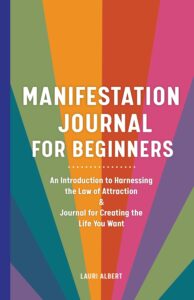
Manifestation Journal for Beginners…
Make your dreams come true using the incredible power of your thoughts Manifestation harnesses the power…