
How to Create a Peaceful Spiritual Space at Home
Creating a calm, centered space at home supports meditation, reflection, breathwork, and everyday spiritual practice. A peaceful spiritual space doesn’t require a separate room or expensive items—intentional choices, functional design, and consistent upkeep are what matter most.
This guide gives clear, practical steps to design a nurturing area you’ll actually use. Each section includes actionable tips and product-category suggestions to help you set up a space that supports rest, clarity, and spiritual growth.
Choose the Right Spot and Define Its Purpose
Pick a location that feels quiet and safe for you—a corner of a bedroom, a small alcove, or a section of the living room. Defining the purpose of the space (meditation, journaling, prayer, breathwork) will guide what to include and how to arrange it.
If you plan regular sitting meditation or breathwork sequences, set aside enough floor space for a cushion or bolster, and a small surface for items you’ll use frequently like a journal, candle, or timer.
Declutter, Simplify, and Set Boundaries
Clutter drains attention and energy. Before adding decor, clear the area of unrelated items. Keep surfaces tidy and store multipurpose objects nearby so the space feels restful each time you enter.
Create a visible boundary—an area rug, a small screen, or even a defined floor mat—to signal to yourself and household members that this is a dedicated spiritual zone.
Build an Altar and Set Intentions
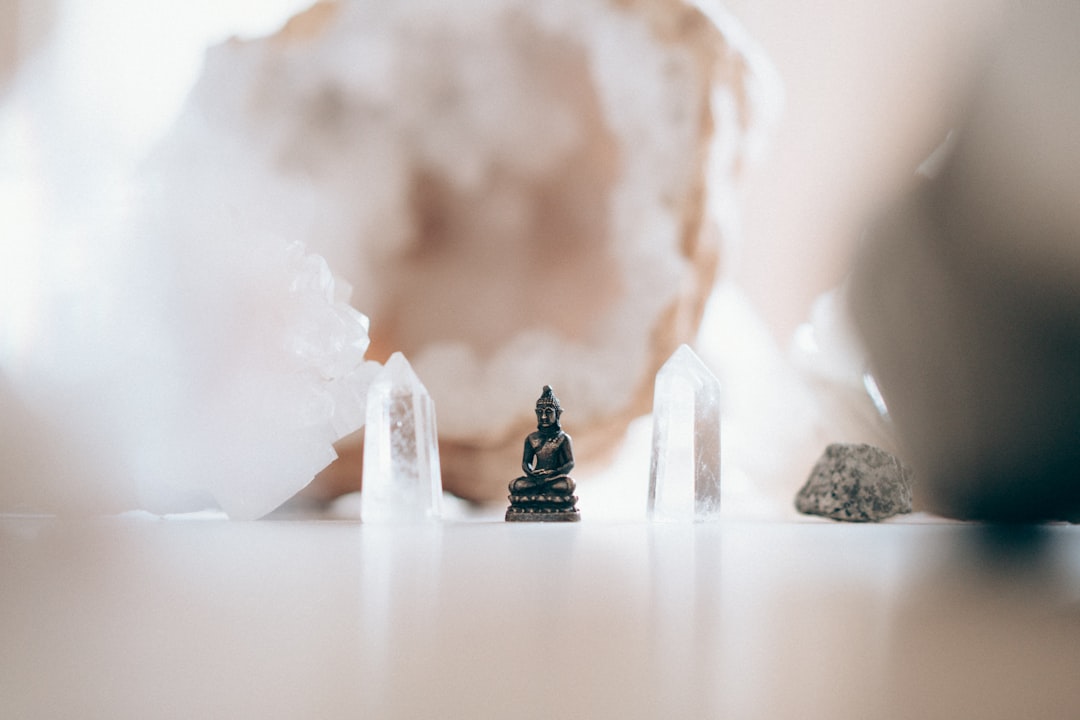
An altar anchors practice. It can be a small shelf, a tabletop, or a dedicated Home Altar Table. Keep only items that carry meaning: a candle, a photo, a crystal, a written intention, or a symbolic object.
Each time you add or change an item, state an intention—this simple practice trains attention and weaves personal meaning into the space.
Use Sound and Vibration to Anchor Practice
Sound can shift the atmosphere instantly. A bell, chime, or singing bowl signals beginnings and endings of sessions and helps settle the nervous system. Consider adding gentle instruments suited to your practice:
- Tibetan Singing Bowls for meditative tones and grounding ritual.
- Meditation Chimes for clear start/stop cues and soft transitions.
Keep instruments within reach and use them consistently to create a reliable cue for presence.
Aromatherapy and Cleansing Practices
Pleasant, subtle scents support relaxation and focus. A waterless diffuser or a curated essential oil blend can scent the room without heavy smoke. Choose high-quality products and test scents in short sessions to avoid overstimulation.
For energetic clearing, use trusted cleansing kits or smudge bundles in a well-ventilated space. A focused cleanse when you first set up—and occasional refreshes—helps maintain a light, welcoming feel.
Recommended options to consider are a waterless essential oil diffuser for scenting and a focused Sage Smudge Kit for Cleansing Negative Energy for energetic clearing.
Comfortable Seating and Supportive Props
Comfort matters—if you’re physically uncomfortable you won’t settle. Choose seating that supports your posture and practice length. A meditation cushion or bolster raises hips and reduces strain; a low chair or bench works well if sitting on the floor isn’t ideal.
For compact, supportive seating consider a Yoga Meditation Cushion or a sturdy bolster. If you practice yoga or extended breathwork, add a mat and blocks to support alignment.
Lighting, Color, and Textiles
Soft, layered lighting is key. Use a combination of natural light, dimmable lamps, and candles (real or LED) to adjust the mood. Light from a window during daytime enhances alertness; warm lamp light and candles work best for evening practice.
Choose calming colors and natural textiles. A cozy throw, a simple rug, and a small pillow make the area inviting. Avoid busy patterns and harsh contrasts that distract attention.
Resources: Books, Affirmations, and Ongoing Learning
Support practice with short, accessible resources you’ll actually use. Keep one or two books on the shelf for guidance and inspiration rather than a pile that gathers dust. For focused meditation instruction and grounding reads, have a small selection of Meditation Books in the space.
Visual cues like Positive Affirmation Wall Art can reinforce intentions and provide a quick reset during the day. Rotate affirmations seasonally or with your current focus.
Maintenance and Simple Rituals
Design rituals that keep the space active. Five minutes of daily straightening, dusting, and a quick scent refresh prevents neglect. A weekly ritual—light a candle, ring a chime, and reset intentions—keeps the area energetically tidy and signals commitment to practice.
Limit furniture and items to what is meaningful and functional. The clearer the purpose, the easier it is to maintain the space with minimal effort.
Checklist: Quick Setup and Daily Habits
- Choose a quiet corner and define its purpose.
- Declutter and create a visible boundary (rug, mat, screen).
- Place a small altar with meaningful items on a Home Altar Table or shelf.
- Add one sound tool: bell, chime, or singing bowl.
- Set up comfortable seating like a meditation cushion.
- Choose a subtle diffuser and cleansing method (diffuser and smudge kit).
- Keep one guiding book nearby (Meditation Books).
FAQ
- How much space do I need? A small corner (about 3′ x 3′) is enough for a cushion, small altar, and minimal props.
- What if I live with others? Set visual boundaries, hang a sign during practice times, and communicate a simple routine so others respect the space.
- Do I need special instruments? No—simple cues like a candle and a timer work. If you want sound, consider compact options like meditation chimes or a small singing bowl.
- How often should I cleanse the space? Cleanse when you notice stagnant energy—monthly for some, after stressful events for others. Light, consistent maintenance is most effective.
- Can I use essential oils every day? Use oils sparingly at first and choose high-quality blends. A short daily scent session is usually enough to support practice without overwhelming the room.
Conclusion: One Practical Takeaway
Start small: choose a corner, clear it, add one anchor (a cushion, a candle, or a chime), and commit to a two-minute daily routine. Consistency—more than perfection—creates a lasting peaceful spiritual space at home.
Products Featured in This Article


Sage Smudge Kit for Cleansing Negat…
From the brand BHOLI SAGE PLUS Store BHOLI SAGE PLUS Store 🌿Tranquil Fusion: Indulge in a…

Yoga Meditation Cushion, 25″ …
Whether you are new to yoga or looking to deepen your practice, beginners and advanced yogis…