
Finding a supportive spiritual community can feel almost impossible in a fast-paced, hyper-individualistic world. Yet for centuries, the sangha—a community of practitioners walking the path together—has been considered one of the most powerful supports for inner growth and everyday resilience.
Whether you’re new to meditation or a seasoned practitioner feeling stuck, understanding how sangha works (and how to engage with it) can dramatically transform your daily life—your habits, relationships, and even your sense of purpose.
What Is Sangha, Really?
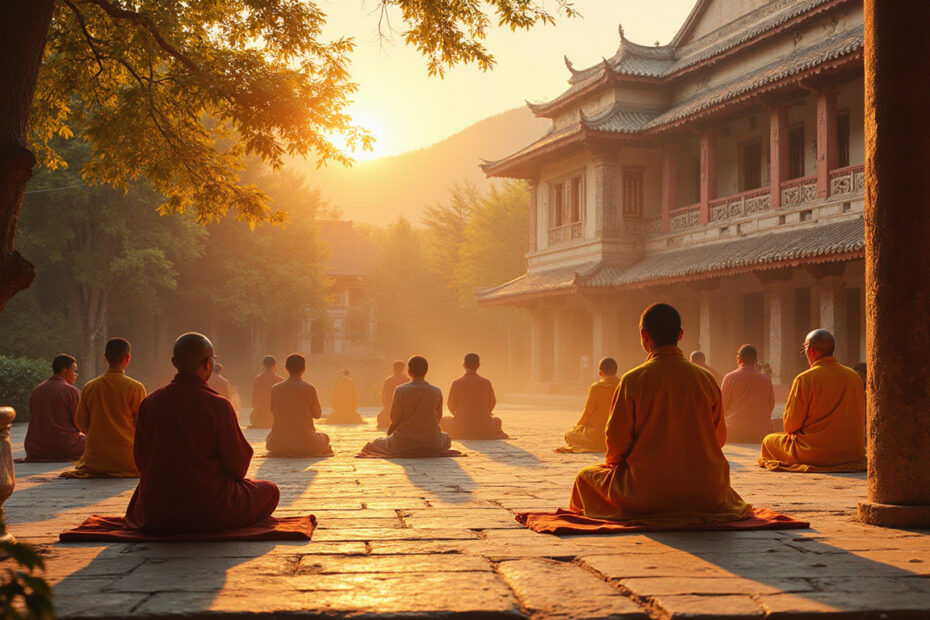
In traditional Buddhist language, sangha refers to the community of practitioners dedicated to awakening. Historically, it described monastic communities of monks and nuns, but in modern practice it often means:
- A local meditation group
- A spiritual community or temple
- An online group that practices together
- Any circle of people committed to mindful, ethical living
At its core, sangha is less about structure and more about shared intention. It’s a living, breathing network of people exploring similar questions:
- How do I suffer less?
- How can I care for others more skillfully?
- What does a meaningful life look like?
When you plug your individual efforts into this collective field, the impact on your daily life can be surprisingly concrete.
Why Sangha Matters More Than Willpower
Most people approach spiritual practice like a solo self-improvement project. You download an app, read a book, meditate alone for a while—and then, when life gets busy, practice quietly fades away.
Sangha changes that dynamic in three crucial ways:
1. Accountability Without Pressure
Practicing with others creates a gentle, natural form of accountability. When you know there’s a group sitting every Tuesday at 7 pm, it’s easier to show up—even when you’re tired or unmotivated.
This isn’t about guilt; it’s about shared momentum. You’re carried by the same intention that brought everyone else there, and that’s often enough to override procrastination.
2. Emotional Regulation Through Co-Regulation
Being in a calm, grounded group setting can actually help regulate your nervous system. Research on group meditation shows benefits like reduced stress and improved emotional well-being (source: American Psychological Association).
Simply:
- Sitting with people who are quiet and attentive makes it easier for you to be quiet and attentive.
- Listening to others share vulnerability normalizes your own struggles.
- You borrow steadiness from the group when you don’t have much of your own.
3. Normalizing the Messy Parts of Practice
Without sangha, you might think:
- “I’m the only one whose mind is this wild.”
- “Everyone else is peaceful; I must be doing it wrong.”
- “If I were a better meditator, I wouldn’t feel this anxious/angry/sad.”
In sangha, you regularly hear others talk about their resistance, restlessness, and confusion. The messy parts become expected, not shameful—and this reduces self-criticism, which is one of the biggest obstacles to consistent practice.
How Sangha Transforms Your Daily Habits
Spiritual practice isn’t measured in how serene you feel on a cushion—it’s measured in how you behave when someone cuts you off in traffic, your partner criticizes you, or work stress peaks.
Here’s how a living connection to sangha quietly reshapes daily life.
You Build More Sustainable Routines
Being part of a community:
- Anchors you to a practice schedule
- Exposes you to different styles (e.g., sitting, walking, chanting, mindful movement)
- Helps you adapt when life changes (kids, new job, illness, relocation)
Instead of relying on bursts of inspiration, you’re supported by a rhythm: weekly gatherings, occasional retreats, and informal check-ins. Over time, this rhythm seeps into your mornings, evenings, and how you structure your week.
You Gain Practical Tools for Difficult Moments
Sangha is where you often learn:
- Short, doable practices (e.g., three mindful breaths before a tough meeting)
- Skillful ways to communicate during conflict
- How to bring awareness into mundane tasks like washing dishes, commuting, or emailing
Then, when life hits hard—a breakup, loss, or health scare—you don’t have to invent coping strategies from scratch. You have a set of practices tested by others in your community.
You Become Less Reactive and More Responsive
As practice deepens—through meditation, discussion, and reflection with your sangha—you gradually shift from:
- Immediate reaction → brief pause → wiser response
- Blame and defensiveness → curiosity about what’s really happening
- Spiraling stories → returning to the body and breath
You start catching yourself mid-argument, noticing the urge to send a snarky text, or feeling the early signs of burnout before you crash. This is where inner work becomes visible in everyday life.
The Hidden Power of Belonging
Underneath the techniques and teachings, sangha offers something many people quietly crave: belonging.
Feeling Seen and Not Fixed
In a healthy sangha, you’re accepted as you are—even as you’re encouraged to grow. People listen without rushing in to “fix” you. This combination of acceptance and aspiration is rare and transformative.
Over time, you internalize it:
- You speak to yourself more kindly.
- You become more patient with your own patterns.
- You stop thinking you must be “fixed” to be worthy of love or connection.
Shared Values, Individual Expression
Sangha doesn’t require you to become a clone of the group. Instead, you share core values—like non-harming, compassion, presence—while expressing them in your own life:
- One person applies the practice as a parent.
- Another as a therapist.
- Another as a software engineer.
- Another as a retiree caring for aging parents.
Seeing these diverse expressions helps you realize: There is room in this path for who I really am.

Taking Sangha Off the Cushion and Into Your Life
The deepest impact of sangha happens not during structured gatherings, but in all the hours in between. The community becomes a kind of living mirror that shapes how you move through the world.
Your Relationships Shift
As you absorb the principles of mindful listening, non-judgment, and compassion from your sangha, you naturally bring them into:
- Family conversations
- Romantic relationships
- Work meetings and collaborations
- Friendships and social media interactions
You might notice you:
- Interrupt less.
- Listen more.
- Apologize more readily.
- Ask better, more open questions.
- Catch gossip before it leaves your lips.
These changes are subtle, but they create a significant shift in the tone and depth of your relationships.
Your Sense of Purpose Deepens
Sangha often widens your perspective beyond personal happiness into interconnectedness:
- You see how your actions ripple outward.
- You feel more responsible for your impact on others.
- You become more interested in service, not just self-care.
That can translate into volunteering, mentoring, or simply being more available and kind to people in your daily orbit. Your life feels less random and more aligned.
How to Find (or Build) the Right Sangha for You
Not every group will feel like home—and that’s okay. The key is to find a sangha that supports your growth, not one that constricts it.
What to Look For in a Healthy Sangha
As you explore, pay attention to:
- Ethical clarity: Are boundaries and ethical guidelines clear?
- Humility in teachers: Are leaders open to questions and feedback?
- Inclusivity: Do people of different backgrounds feel welcome?
- Non-coercion: Is participation voluntary and respectful of your autonomy?
- Realism: Are human difficulties (doubt, conflict, grief) acknowledged openly?
You should feel both safe and challenged—held with care, but also stretched toward your better self.
Ways to Engage Without Overwhelming Yourself
If you’re new to sangha or short on time, you don’t have to jump in fully from day one. You might:
- Attend a weekly group sit or Dharma talk.
- Join a short-term class or study group (e.g., 4–8 weeks).
- Volunteer occasionally—set up chairs, make tea, greet newcomers.
- Join an online sangha if you lack local options.
- Commit to one “sangha touchpoint” a week: a gathering, a call, or a discussion.
Even modest, consistent engagement can deeply influence how you show up in the rest of your week.
Common Misconceptions About Sangha
As you consider joining a community, you may bump into some internal resistance. That’s natural—and worth exploring.
“I Should Be More Advanced Before I Join”
Sangha is not a reward for having your life together. It’s a container to hold you while you’re confused, struggling, or inconsistent. In fact, early exposure to community practice can prevent a lot of unnecessary detours and frustration.
“I’m Too Introverted for Group Practice”
Many introverts thrive in sangha. Quiet meditation, structured sharing, and clear guidelines can feel easier than unstructured social events. You can:
- Sit in the back at first.
- Share only when you feel ready.
- Find smaller study groups within the larger community.
There’s space for quiet participation.
“I Don’t Want to Join a Cult”
Healthy concern. That’s why discernment is essential. A genuine sangha will encourage:
- Critical thinking
- Personal agency
- Transparency around finances and leadership
- Your right to leave or step back without pressure
If any group uses fear, shame, or manipulation to keep you involved, that’s not sangha in the liberating sense of the word.
Simple Ways to Deepen Your Connection to Sangha
Once you’ve found or begun forming a sangha, you can gradually deepen your participation in ways that enrich both you and the community.
Here are some gentle steps:
- Show up regularly, even when you don’t “feel spiritual.”
- Stay for tea or informal conversation after events.
- Ask one sincere question per month about practice.
- Offer small acts of service—cleaning, tech help, rides for others.
- Share honestly (within your comfort) during group reflections.
- Reach out to someone new who looks a bit lost or shy.
Over time, you shift from “someone who attends” to “someone who belongs.” And that belonging itself becomes a powerful element of your path.
FAQ: Common Questions About Sangha
What is sangha in Buddhism and why is it so important?
In Buddhism, sangha traditionally refers to the community of monastics and, in a broader sense, the community of all practitioners. It’s considered one of the “Three Jewels” (Buddha, Dharma, Sangha) because authentic community offers indispensable support for understanding the teachings and living them in daily life. Sangha helps you stay grounded, accountable, and less isolated in your practice.
How can I practice sangha if I don’t have a local community?
If you don’t have a nearby group, you can still cultivate the spirit of sangha by joining online meditation groups, discussion circles, or live-streamed teachings. Even a small circle of two or three friends committed to regular meditation and honest reflection can become a meaningful sangha. The key is shared intention, continuity, and mutual support.
What does it mean to “take refuge in the sangha” in everyday terms?
To “take refuge in the sangha” means trusting that you don’t have to walk the path alone. Practically, it means letting yourself be supported by others’ practice, learning from their experiences, and being willing to support them in return. In daily life, that might look like reaching out when you’re struggling, showing up when you’d rather withdraw, and remembering that your practice affects everyone around you.
Let Sangha Transform More Than Just Your Meditation
A genuine sangha doesn’t just give you a place to sit in silence—it gradually reshapes how you think, speak, relate, and respond to life. It turns practice from a private project into a shared journey, where your growth contributes to others and theirs nourishes you.
If you’ve been practicing alone, consider this your invitation:
Seek out a sangha—local or online. Visit a few groups, trust your intuition, and give one community a fair trial over several weeks. Let yourself be a beginner, let yourself belong, and watch how the simple act of showing up with others begins to transform not just your cushion time, but the way you live every day.