If you’ve ever left a yoga class feeling unusually calm and clear, pranayama was probably part of the reason. Pranayama, the yogic practice of conscious breathing, is one of the most accessible tools for reducing stress, improving focus, and supporting overall wellbeing. The best part: you don’t need to be flexible, spiritual, or experienced with yoga to begin. In this guide, you’ll learn what pranayama is, why it matters, and how to start with seven simple breathing techniques you can try today.
What Is Pranayama?
In Sanskrit, “prana” means life force or vital energy, and “ayama” means extension, expansion, or control. Put together, pranayama can be understood as the expansion or regulation of your life force through breath.
In modern terms, pranayama is the practice of:
- Breathing with awareness
- Regulating the length and pattern of your inhalation and exhalation
- Using specific techniques to influence your nervous system and mind
You don’t need to adopt any particular belief system to benefit. Think of pranayama as a set of practical breathing exercises designed to help you:
- Relax and reduce anxiety
- Improve focus and mental clarity
- Support lung and heart health
- Enhance your meditation or yoga practice
Research increasingly supports the health benefits of slow, controlled breathing, including improved heart rate variability, reduced blood pressure, and better stress regulation (source: Harvard Medical School).
How to Start Pranayama Safely
Before you jump into specific techniques, keep these basics in mind:
- Posture: Sit upright on a chair or cushion with your spine tall and shoulders relaxed. You can also lie down for some techniques, unless otherwise noted.
- Environment: Choose a quiet, well-ventilated space. Avoid practicing in extreme heat or cold.
- Timing: Practice on an empty or light stomach; waiting at least 2–3 hours after a large meal is ideal.
- Breath quality: Breathing should feel smooth and comfortable. If you feel dizzy, short of breath, or anxious, stop and return to normal breathing.
If you have heart or lung conditions, very high or low blood pressure, are pregnant, or have any serious medical issues, talk with your healthcare provider before starting more advanced pranayama.
1. Natural Breath Awareness (Foundational Practice)
Best for: Absolute beginners, stress relief, preparing for other pranayama techniques.
Why it matters: Awareness is the foundation of all pranayama. Before changing your breath, you learn to observe it as it is.
How to practice:
- Sit comfortably with your spine upright.
- Gently close your eyes or soften your gaze.
- Notice your natural breath entering and leaving your nostrils.
- Feel your chest and belly subtly rise on the inhale and fall on the exhale.
- Do not control the breath; just watch it like a curious observer.
- Practice for 3–5 minutes.
What you’ll notice: Your breathing will often slow and deepen on its own as your mind begins to quiet.
2. Diaphragmatic (Belly) Breathing
Best for: Calming the nervous system, reducing anxiety, supporting better posture and lung function.
Many people breathe shallowly into the upper chest, especially when stressed. Diaphragmatic breathing gently retrains your body to use the diaphragm fully.
How to practice:
- Lie on your back or sit upright.
- Place one hand on your chest and the other on your belly.
- Inhale slowly through your nose, directing the breath toward your lower belly so the bottom hand rises more than the top hand.
- Exhale gently through your nose, feeling the belly fall.
- Aim for a smooth, quiet breath with no strain.
- Continue for 5–10 minutes at a relaxed pace.
Tip: If you’re new to pranayama, start every session with 2–3 minutes of belly breathing to settle your body and mind.
3. Equal Breathing (Sama Vritti Pranayama)
Best for: Balance, focus, and mild stress relief.
“Sama” means equal and “vritti” means fluctuation. In this pranayama technique, you make the inhalation and exhalation the same length, which helps balance the nervous system.
How to practice:
- Sit comfortably with an upright spine.
- Inhale through your nose for a slow count of 4.
- Exhale through your nose for a slow count of 4.
- Keep the breath smooth, quiet, and gentle.
- After a few rounds, if comfortable, increase to a 5-count or 6-count.
- Continue for 3–8 minutes.
Benefits: Equal breathing is especially useful before a stressful event, public speaking, or difficult conversation to bring you into a centered state.
4. 4-6 Relaxation Breath (Lengthened Exhale)
Best for: Deep relaxation, anxiety, difficulty winding down before sleep.
Lengthening your exhale relative to your inhale enhances the parasympathetic (“rest and digest”) response. This pranayama variation is simple and very effective for calming.
How to practice:
- Sit or lie down comfortably.
- Inhale gently through your nose for a count of 4.
- Exhale through your nose for a count of 6 (or slightly longer than your inhale).
- Do not force the breath; adjust counts as needed (e.g., 3–5 or 4–8) as long as exhale > inhale.
- Practice for 5–10 minutes.
When to use:
- Before bed
- After a stressful meeting or commute
- When you feel anxious or overwhelmed
5. Alternate Nostril Breathing (Nadi Shodhana)
Best for: Mental clarity, emotional balance, preparing for meditation.
Nadi Shodhana is one of the most famous pranayama techniques. “Nadi” refers to energy channels; “shodhana” means purification. While the energetic explanation comes from yoga, modern practitioners also value it for its focusing and balancing effects.
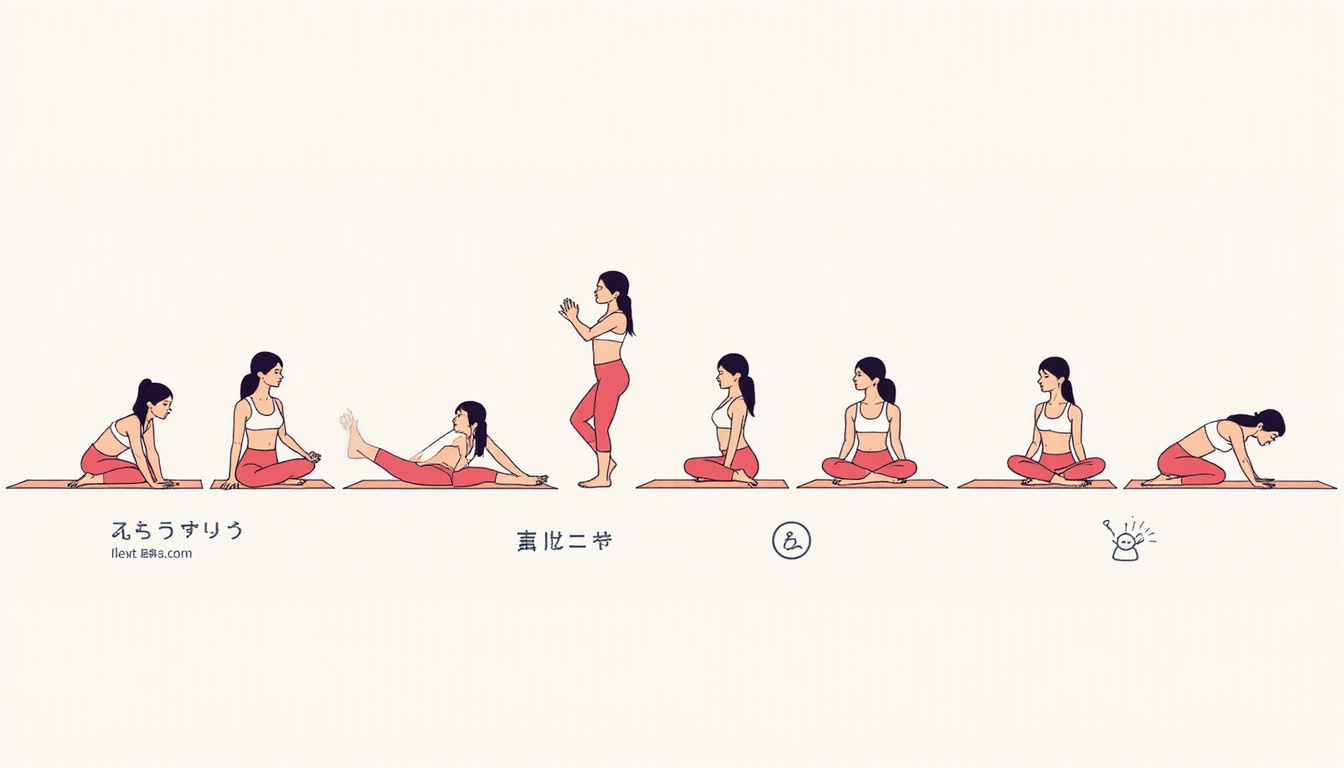
Hand position (Vishnu mudra):
- Use your right hand.
- Gently fold the index and middle fingers toward the palm.
- Use your thumb to close the right nostril and your ring finger to close the left nostril.
How to practice:
-
Sit upright with relaxed shoulders.
-
With your right thumb, gently close your right nostril.
-
Inhale through the left nostril for a count of 4.
-
Close both nostrils briefly, then open the right nostril and exhale for a count of 4.
-
Inhale through the right nostril for a count of 4.
-
Close both nostrils briefly, then open the left nostril and exhale for a count of 4. That’s one full round.
-
Continue for 5–10 rounds, keeping the breath smooth and effortless.
Important:
- Breathe only through your nose.
- Do not use this technique if you’re very congested or have an acute sinus infection.
Many people find this pranayama excellent for easing mental chatter before meditation, work, or study.
6. Ocean Breath (Ujjayi Pranayama – Gentle Version)
Best for: Concentration, energizing gently, pairing with yoga postures.
Ujjayi pranayama creates a soft “ocean” or whisper-like sound in the back of the throat, helping anchor your attention on the breath.
How to practice (beginner version):
- Sit comfortably with your mouth closed and breathe through your nose.
- Slightly constrict the back of your throat, as if you were fogging up a mirror with your mouth closed.
- You should hear a soft, controlled, whispery sound on both inhale and exhale.
- Keep the breath long, smooth, and gentle—no strain or harshness.
- Continue for 3–5 minutes.
Tip: If you feel tension in your throat or jaw, relax and reduce the constriction. This pranayama should feel soothing, not forced.
7. Cooling Breath (Sheetali or Sheetkari – Gentle Cooling)
Best for: Slight cooling of the body, calming after mild overheating or agitation.
Traditional Sheetali involves rolling the tongue into a tube, which not everyone can do. If you can’t, try Sheetkari, which uses the teeth instead.
Option 1: Sheetali (if you can roll your tongue)
- Sit comfortably.
- Roll the sides of your tongue into a tube and extend it slightly past your lips.
- Inhale gently through the curled tongue, feeling cool air enter.
- Close your mouth and exhale slowly through your nose.
- Repeat for 8–12 rounds.
Option 2: Sheetkari (alternative)
- Gently bring your upper and lower teeth together and slightly part your lips.
- Inhale through the gaps in your teeth, making a soft hissing sound.
- Close your mouth and exhale through your nose.
- Repeat for 8–12 rounds.
Note: Avoid strong cooling pranayama if you’re very cold, have low blood pressure, or are prone to respiratory sensitivity. Keep it gentle and stop if you feel uncomfortable.
A Simple Beginner Pranayama Routine
To integrate pranayama into your day, consistency is more important than length. You can start with 10–15 minutes:
- Natural Breath Awareness – 2 minutes
- Diaphragmatic Breathing – 3–5 minutes
- Equal Breathing or 4-6 Relaxation Breath – 4–5 minutes
- Optional: Alternate Nostril Breathing – 3–5 rounds
As you become more comfortable, you can add Ujjayi or Nadi Shodhana, or slightly lengthen your session.
Key Tips for Successful Pranayama Practice
- Stay gentle: Pranayama is not a competition. Strain, forcing long holds, or discomfort defeats the purpose.
- Be patient: The benefits build over time. Start small and consistent rather than pushing hard once in a while.
- Use it in real life: Practice a round of equal breathing before a meeting, alternate nostril breathing before studying, or 4-6 breathing before bed.
- Listen to your body: If something doesn’t feel right, back off or skip that technique for now.
Quick Reference: 7 Pranayama Techniques for Beginners
- Natural breath awareness
- Diaphragmatic (belly) breathing
- Equal breathing (Sama Vritti)
- 4-6 relaxation breath (longer exhale)
- Alternate nostril breathing (Nadi Shodhana)
- Ocean breath (Ujjayi – gentle)
- Cooling breath (Sheetali/Sheetkari – gentle)
FAQ: Common Questions About Pranayama
1. How often should beginners practice pranayama breathing exercises?
Aim for 5–15 minutes once a day to start. As your comfort grows, you can increase to 20 minutes or add a second short session. Consistency matters more than duration, so daily practice—even for a few minutes—is better than a long session once a week.
2. Can pranayama be done without yoga postures or meditation?
Yes. You can practice pranayama on its own while sitting on a chair, at your desk, or before sleep. Many people use simple breathing techniques as standalone tools for stress relief, focus, and relaxation. Over time, pranayama can also enhance meditation if you choose to add it.
3. Is pranayama safe for everyone, including people with anxiety or high blood pressure?
Most gentle pranayama for beginners—like belly breathing, equal breathing, and alternate nostril breathing without long holds—is generally safe and often helpful. However, if you have heart disease, severe anxiety, uncontrolled high blood pressure, respiratory issues, or are pregnant, talk with your healthcare provider before adding more advanced practices like breath retention or strong energizing techniques.
Start Breathing Your Way to Calm Today
You don’t need special equipment, a studio membership, or a big time commitment to begin pranayama. With just a few minutes a day and the seven simple techniques in this guide, you can start shifting your body out of stress mode, clearing your mind, and building a calmer baseline for daily life.
Choose one or two practices—such as diaphragmatic breathing and equal breathing—and try them every day for a week. Notice how your mood, focus, and sleep respond. As your comfort grows, explore alternate nostril breathing or Ujjayi to deepen your practice.
Your breath is with you everywhere you go. Start using pranayama now, and turn it into a powerful, always-available tool for balance, clarity, and resilience.