


Contemplation isn’t just for monks or philosophers. In a world of constant notifications and noise, contemplation is a practical, science-backed tool anyone can use to boost focus, lower stress, and spark creativity. With a few simple daily practices, you can train your mind to be clearer, more attentive, and more imaginative—without needing an hour-long meditation session or a silent retreat.
This guide walks you through what contemplation is, why it works, and how to build small, realistic contemplative habits into your day.
What Is Contemplation, Really?
Contemplation is the intentional act of turning your attention inward—slowing down, observing your thoughts, and engaging deeply with an idea, experience, or question.
Unlike daydreaming (which is often passive and scattered), contemplation is:
- Deliberate – you choose to focus.
- Attentive – you notice details, patterns, and nuances.
- Non-reactive – you observe without rushing to judge or fix.
This can look like:
- Sitting quietly and noticing your breath.
- Reflecting on a question like, “What actually matters most today?”
- Walking slowly while paying close attention to your surroundings.
- Journaling thoughtfully about a challenge or decision.
At its core, contemplation is mental stillness with awareness. That stillness is where focus grows—and creativity often appears.
The Science Behind Contemplation, Focus, and Creativity
Modern research supports what contemplative traditions have said for centuries: regularly quieting and training your attention changes your brain.
Some key findings:
- Improved attention and focus: Mindfulness and contemplative practices can enhance the brain’s ability to sustain attention and reduce mind-wandering, in part by strengthening networks involved in executive control (source: American Psychological Association).
- Reduced stress and mental clutter: Slow, deliberate breathing and quiet reflection activate the parasympathetic nervous system, reducing stress hormones and mental noise.
- Enhanced creativity: Contemplation can support both focused problem-solving and “incubation”—that background processing where insights and ideas suddenly surface after you step back from a problem.
When you practice contemplation regularly, you’re:
- Training your ability to direct attention.
- Increasing awareness of unhelpful thought patterns.
- Creating mental space for ideas to connect in new ways.
You don’t need hours. Even 5–10 minutes of intentional contemplation can have measurable effects over time.
Core Principles of Effective Daily Contemplation
Before diving into specific practices, it helps to understand a few principles that make contemplation powerful and sustainable:
-
Small and consistent beats big and rare
Five minutes a day is more transformative than one long session once a month. Think of it as “mental hygiene,” like brushing your teeth. -
Gentle curiosity over self-criticism
Contemplation is not a performance. You will get distracted; that’s normal. The key is noticing the distraction and returning to your chosen focus without attacking yourself for “failing.” -
Embodiment matters
Your body is part of contemplation. Breath, posture, and physical sensations anchor your attention and help quiet mental noise. -
Intentional prompts guide your mind
Asking a clear question or setting a theme for contemplation (“What’s really important today?”) directs attention in a productive way, rather than letting thoughts drift randomly.
With these principles in mind, you can design simple, everyday contemplative rituals that boost both focus and creativity.
Simple Contemplation Practices You Can Do Every Day
1. Morning Breath Check-In (5 Minutes)
This is a basic contemplative practice that anchors your attention for the day.
How to do it:
- Sit comfortably, spine relaxed but upright.
- Close your eyes or soften your gaze.
- Notice your breath at one point—nostrils, chest, or belly.
- Count each breath cycle (inhale + exhale) up to 10, then start over.
- When (not if) your mind wanders, gently bring it back to the breath and counting.
Why it works:
You’re training the “attention muscle.” Each time you notice distraction and return to the breath, you’re reinforcing focus and mental stability—the same skills needed for deep work and creative thinking.
2. One-Question Contemplation for Clarity
This is a short, targeted contemplation centered around a single meaningful question. It’s powerful for decision-making, prioritization, and creative problem-solving.
Steps:
- Choose one question, such as:
- “What is the most important thing I can do today?”
- “What am I avoiding, and why?”
- “What would a simpler solution to this problem look like?”
- Sit quietly for 5–10 minutes with the question in mind.
- Don’t force an answer. Just let thoughts, images, and feelings surface.
- If you like, jot down a few insights afterward in a notebook.
Why it works:
Contemplation focuses your mental energy on one point, helping you move beyond surface-level thinking. It also allows deeper, less conscious parts of the mind to contribute, which is where many creative ideas come from.
3. Contemplative Walking (Micro-Breaks with a Purpose)
If sitting still isn’t your style, walking contemplation can be just as effective—especially for sparking creativity.
How to do it:
- On a walk (even a 5-minute lap around the block):
- Leave your phone in your pocket.
- Pay deliberate attention to:
- The sensation of your feet contacting the ground.
- The rhythm of your steps and breath.
- The details around you: light, shadows, colors, sounds.
- When your mind drifts into planning or worry, gently return to sensory details.
Optional creative twist:
Start the walk by briefly stating a challenge (e.g., “How can I make this project more engaging?”), then drop the problem and just walk attentively. Often, ideas arise naturally once your mind relaxes.
4. The 3-Breath Reset for On-the-Spot Focus
You don’t always have time for a full contemplative session. That’s where ultra-short resets come in.
Anytime you feel scattered:
- Pause what you’re doing.
- Take three slow, deliberate breaths:
- Inhale through the nose for 4 seconds.
- Hold for 2 seconds.
- Exhale through the mouth for 6 seconds.
- On each exhale, silently note: “Release” or “Let go.”
This micro-practice is a form of very brief contemplation: you’re turning inward, noticing your state, and choosing your response rather than running on autopilot.
5. Evening Reflection for Learning and Creativity
Evening contemplation helps you process the day, capture ideas, and prime your mind for better rest.
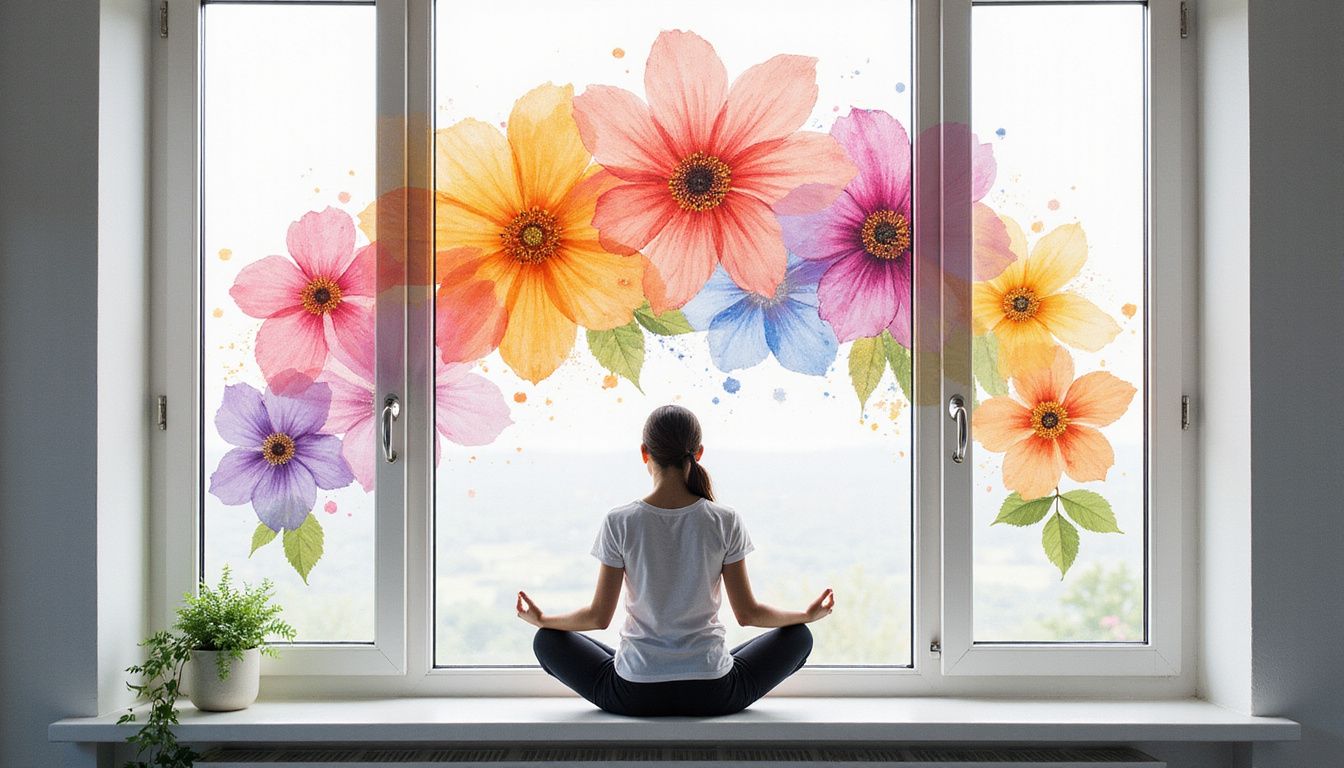
Try this 5–10 minute routine:
- Sit quietly with a notebook or notes app.
- Ask yourself three questions:
- What energized me today?
- What drained me today?
- What idea or insight is worth carrying into tomorrow?
- Write short, honest answers—no need for perfect sentences.
This simple contemplative review strengthens self-awareness, highlights patterns, and often surfaces creative ideas that would otherwise vanish.
Building a Sustainable Contemplation Habit
To make contemplation a reliable source of focus and creativity, consistency matters more than intensity. Here’s how to keep it going:
Start Tiny and Specific
Pick one practice and make it almost too easy at first. For example:
- “I will do 3 minutes of morning breath contemplation after brushing my teeth.”
- “I will do a 5-minute contemplative walk after lunch.”
Link it to an existing routine so it becomes automatic.
Track, Don’t Judge
You’re training a skill—not proving your worth.
- Keep a simple log: date + practice + duration.
- Note any small wins: “Felt calmer,” “Came up with a new idea,” “Was less reactive in a meeting.”
Over time, you’ll see patterns that reinforce why this matters.
Protect a Minimal Non-Negotiable
Life will get busy. Decide on a “minimum viable practice” you’ll keep even on tough days, such as:
- One 3-breath reset in the morning.
- One 5-minute contemplative check-in before bed.
This keeps the habit alive and makes it easier to expand again later.
How Contemplation Directly Boosts Creativity
Contemplation supports creativity in a few specific ways:
-
Clearing mental noise
A cluttered mind has less room for novel connections. By deliberately slowing down, you create space for new combinations of ideas. -
Balancing focused and diffuse modes of thinking
Creativity needs both:- Focused mode: Deep, concentrated work on a problem.
- Diffuse mode: Relaxed, open awareness where insights emerge.
Contemplation helps you switch from over-focused, stressed thinking into a more relaxed, associative state—perfect for breakthroughs.
-
Noticing subtle signals
Quiet reflection lets you pick up on faint ideas, intuitions, and “hunches” you’d normally overlook in a rush. -
Reducing fear of failure
As contemplation increases self-awareness and calm, you become less driven by anxiety or perfectionism. That psychological safety is crucial for trying new concepts and creative risks.
If you regularly pair hard work with contemplative pauses, you’ll likely notice both the quality and originality of your ideas improving.
A Sample Daily Contemplation Routine (15–20 Minutes Total)
You can mix and match, but here’s one realistic template:
-
Morning (5 minutes)
- 3 minutes of simple breath contemplation.
- 2 minutes of one-question contemplation: “What matters most today?”
-
Midday (5–7 minutes)
- 5-minute contemplative walk after lunch.
- Optional: Start by briefly naming a challenge you’re working on.
-
Evening (5–8 minutes)
- 5-minute reflection with the three evening questions.
- One 3-breath reset before bed.
That’s it. Even this modest routine can, over weeks, noticeably improve your focus, emotional balance, and creative output.
FAQ: Common Questions About Contemplation
1. How is contemplation different from meditation?
They overlap, but they’re not identical.
Meditation often follows a more specific technique (like focusing on the breath, repeating a mantra, or doing a body scan) with the goal of cultivating awareness and calm. Contemplation is a broader term that includes meditation but also encompasses reflective thinking on questions, values, experiences, or problems. You can think of contemplation as an umbrella under which various meditations and reflective practices sit.
2. Can contemplation practices help with anxiety and overthinking?
Yes, contemplative practices can help reduce overthinking by shifting how you relate to your thoughts. Instead of getting swept away by anxious narratives, you learn to observe them with some distance. Practices like breath-focused contemplation, the 3-breath reset, and evening reflection can all lower reactivity, calm the nervous system, and create more mental clarity—conditions that make anxiety easier to manage. If anxiety is severe, contemplative work can complement, but not replace, professional care.
3. How long does it take for contemplation to improve focus and creativity?
Many people notice small benefits—slightly better focus, a bit more calm—within a week or two of daily contemplation. For deeper, more stable changes in focus and creative thinking, think in terms of 4–8 weeks of consistent practice. Like physical training, the effects of contemplation accumulate. The more regular and realistic your routine, the more your brain adapts.
Consistent contemplation is not about escaping life—it’s about showing up to it more fully. When you commit even a few minutes a day to quiet, intentional awareness, you sharpen your focus, clear space for insight, and create the inner conditions where creativity thrives.
If you’re ready to experience these benefits, choose one simple contemplation practice from this guide and start today. Set a timer, sit or walk quietly, and give your attention a place to rest. Over the next few weeks, watch how this small daily act of contemplation reshapes the way you think, work, and create.