


bhakti is often translated as “devotion,” but it’s much more than an emotion or a religious label. It’s a living, daily practice of turning your heart toward the Divine—however you understand that word—and letting that connection transform how you think, feel, and act. Whether you relate to God as Krishna, Rama, Shiva, Devi, Christ, the Universe, your Inner Self, or simply Love itself, bhakti offers concrete practices that can deepen your devotion and quietly reshape your entire life.
Below, you’ll find practical, time-tested bhakti practices, why they work, and how to start today—even if you’re a beginner or not part of any formal tradition.
What Is bhakti, Really?
In the classical Indian tradition, bhakti is one of the main paths of yoga, alongside jñāna (knowledge), karma (selfless action), and rāja (meditation). The Bhagavad Gītā describes bhakti as loving surrender of the heart to the Divine, practiced through remembrance, worship, and service.
A few key points about bhakti:
- It is relationship-based: you relate to the Divine as friend, child, beloved, guide, or master.
- It is accessible to everyone: no need for special education, social status, or perfect discipline.
- It is emotionally honest: joy, longing, doubt, gratitude, even anger can be offered in devotion.
- It is transformative: over time, your values, habits, and sense of self subtly align with your deepest spiritual longing.
You don’t have to “feel devotional” all the time to practice bhakti. The practices themselves gradually awaken devotion.
The Core bhakti Attitude: Turning the Heart
Before specific techniques, bhakti begins with a simple inner orientation: “I belong to the Divine, and the Divine belongs to me.”
This might show up as:
- Remembering the Divine during daily tasks
- Briefly pausing to offer gratitude before meals
- Mentally repeating a sacred name when stressed
- Talking inwardly as if speaking to a loving presence
If you do nothing else, this heart-oriented remembrance—smaraṇa—already places you firmly on the path of bhakti.
Foundational bhakti Practices You Can Start Today
Below are key practices found across bhakti traditions (Vaishnava, Shaiva, Shakta, Sant, and others). You can adopt one or combine several, adjusting them to your background and beliefs.
1. Japa: Repeating the Divine Name
Japa is the rhythmic repetition of a sacred name or mantra—aloud, in a whisper, or silently.
Popular examples in Hindu bhakti include:
- “Hare Krishna Hare Krishna, Krishna Krishna Hare Hare…”
- “Om Namah Shivaya”
- “Sri Ram Jai Ram Jai Jai Ram”
- “Om Namo Bhagavate Vasudevaya”
If you come from another tradition, you can use “Jesus,” “Abba,” “Ave Maria,” “Om Mani Padme Hum,” or a word like “Beloved,” “Source,” or “Peace.”
How to practice japa
- Choose a name or mantra that resonates deeply.
- Sit comfortably; close your eyes if you wish.
- Repeat the name 108 times using a mala, or simply for 5–15 minutes.
- Coordinate with breath if it helps: e.g., repeat on exhale.
- When the mind wanders, gently return to the name.
Over time, japa becomes a background music of the heart, creating a calm, devotional atmosphere inside you even amid daily chaos.
2. Kīrtan and Bhajans: Singing the Heart Open
Kīrtan is call-and-response chanting of sacred names, while bhajans are devotional songs. They combine melody, rhythm, and community to intensify bhakti.
Why singing works powerfully:
- Music reaches emotions faster than thoughts.
- Group chanting dissolves isolation and self-consciousness.
- Repetition of divine names anchors the mind in something higher.
You can:
- Attend local kirtan gatherings at yoga studios, temples, or spiritual centers.
- Sing simple chants at home with a harmonium, guitar, or just your voice.
- Listen and softly sing along during commutes or chores.
If traditional Sanskrit feels distant, choose language and melodies that move you. The sincerity matters more than perfection.
3. Pūjā and Simple Home Worship
Pūjā is ritual worship: offering flowers, light, water, incense, or food to a deity or sacred image. At its heart, it’s an act of love and hospitality toward the Divine.
You can create a simple home altar with:
- A picture or murti (image) of your chosen form of the Divine
- A small candle or lamp
- Fresh flowers or a plant
- A small bell or incense, if appropriate for your space
A simple daily pūjā might include:
- Lighting a candle or lamp
- Offering a flower or even a sincere mental offering if nothing else is available
- Ringing a bell or chanting a short mantra
- Closing your eyes and offering your day, struggles, and joys
The goal isn’t complexity; it’s consistency and heartfelt presence.
4. Satsang: Company of Devotees and Saints
In bhakti, satsang means “association with truth”—keeping company with those who are devoted or reading/listening to the words of realized souls.
Why satsang is vital in bhakti:
- It supports your practice when motivation drops.
- It offers living examples of devotion in action.
- It gradually reshapes your priorities and worldview.
You can engage in satsang by:
- Visiting temples, spiritual centers, or online kirtan groups
- Studying the lives of saints like Mirabai, Tulsidas, Chaitanya, Ramakrishna, or modern teachers
- Listening to talks or podcasts by authentic bhakti practitioners (discernment is key here)
Research in positive psychology shows that our habits and emotional tone are highly influenced by the people around us (source: Greater Good Science Center, UC Berkeley). satsang harnesses this principle for spiritual growth.
5. Seva: Selfless Service as an Expression of Love
Seva means service offered without expectation of reward, done as an offering to the Divine present in all beings.
Examples of bhakti-oriented seva:
- Volunteering at a temple or community kitchen
- Helping the sick, elderly, or marginalized with an attitude of reverence
- Doing your professional work with integrity, inwardly offering the results to the Divine
- Supporting spiritual communities or projects anonymously
To transform ordinary help into bhakti, add a simple inner intention:
“I’m serving You in this person / task.”
This shifts service from obligation or ego to love and becomes a powerful practice of humility and surrender.
6. Līlā-smaraṇa: Remembering the Stories of the Divine
Many bhakti traditions cherish līlās—divine play or stories of the Divine interacting with devotees. Meditating on these stories softens the heart and makes the Divine feel personal and near.
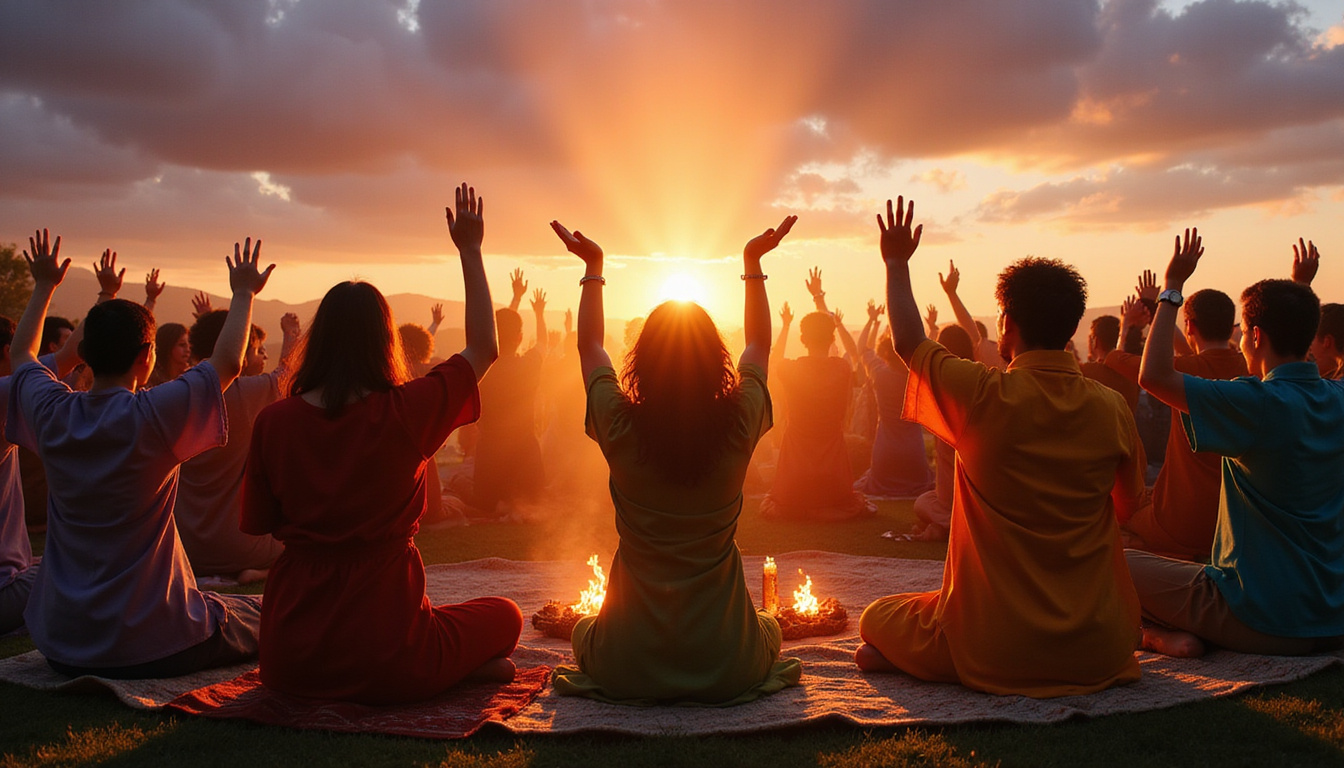
You can:
- Read scriptures like the Bhāgavata Purāṇa, Rāmāyaṇa, or devotional poetry.
- Visualize scenes from these stories as if you are present in them.
- Reflect on the symbolic meaning as it applies to your life: surrender, protection, grace, friendship.
If you are rooted in another faith, you can do the same with the stories of Christ, the Prophet and the saints, the Buddha, or other realized beings.
How bhakti Quietly Transforms Your Life
Consistent bhakti practice doesn’t always create dramatic experiences, but over months and years, people commonly report:
Emotional Shifts
- Less anxiety and loneliness, more inner companionship
- Deeper gratitude and contentment with simple things
- Greater resilience in the face of loss and change
- A sense of being held or guided, even in difficulty
Character and Behavior
- Gentler speech and greater compassion
- Reduced attraction to destructive habits
- More honesty, humility, and willingness to apologize
- Stronger motivation to live ethically
Sense of Meaning and Identity
- A feeling of belonging—to God, to life, to existence
- A shift from “What do I get?” to “How can I serve and love?”
- Less identification with social roles and more with a deeper Self connected to the Divine
These changes don’t demand that you abandon rationality or life responsibilities. bhakti integrates into your daily roles and gradually purifies them.
Integrating bhakti into Busy Modern Life
You might wonder how to practice bhakti with a packed schedule and many obligations. The key is to weave devotion into what you’re already doing.
A Sample Daily bhakti Routine (Adaptable)
-
Morning (5–15 minutes):
- Brief japa or silent repetition of your chosen name
- Light a candle, offer a simple prayer for guidance
-
Daytime (in small moments):
- Repeat the Divine name mentally while commuting or walking
- Offer your challenges at work inwardly: “Please work through me”
- Practice tiny acts of kindness as seva
-
Evening (10–20 minutes):
- Read a few pages of a devotional text or listen to a kirtan
- Reflect on the day: “Where did I remember You? Where did I forget?”
- Offer the day’s successes and failures at the feet of the Divine
Small, regular practices are far more powerful than occasional, intense bursts.
Overcoming Common Obstacles in bhakti
“I don’t feel anything when I practice.”
Feelings come and go. In bhakti, faithfulness matters more than feelings. Saints often emphasize continuing practice even in “dry” times; such perseverance deepens devotion beyond dependence on emotional highs.
“I’m skeptical—can I still practice?”
Yes. bhakti does not demand blind belief. You can approach it as an experiment:
- Choose a simple practice.
- Commit for 30–60 days.
- Notice what changes in your mood, relationships, and sense of meaning.
Sincere questioning is welcome in bhakti as long as you continue to practice.
“I’m from another religion; is this compatible?”
bhakti is fundamentally about love of God, not conversion. Many practitioners integrate devotional practices with their existing faith—reframing chants, rituals, and seva around their own sacred symbols and names.
A Simple Step-by-Step Starter Plan
If you’re new to bhakti, start small:
- Choose a form or name of the Divine that touches you.
- Begin japa: 5–10 minutes daily of repeating that name.
- Set up a simple sacred space at home with a picture, candle, or symbol.
- Do one small act of seva each week with devotional intention.
- Engage in satsang at least once a week (live or online).
- After one month, reflect:
- Do you feel slightly more connected, peaceful, or supported?
- Adjust and deepen practices that work for you.
FAQ: Common Questions About bhakti
1. What is bhakti yoga and how is it different from other yogas?
bhakti yoga is the path of devotion—cultivating love and surrender to the Divine through practices like chanting, worship, remembrance, and service. Unlike hatha or rāja yoga, which emphasize postures or meditation techniques, bhakti focuses on the heart’s relationship with the Divine, seeing God as a beloved person or presence rather than an abstract principle.
2. How can I practice bhakti at home without a guru or temple?
You can practice bhakti at home by creating a small altar, doing daily japa, singing simple bhajans, reading devotional texts, and offering your daily tasks to the Divine. Many people begin bhakti in solitude. Over time, you may feel naturally drawn to satsang—online or in person—for guidance and support, but you can start where you are right now.
3. Is bhakti only for Hindus, or can anyone follow this path?
Anyone can practice bhakti, regardless of religious identity. The essence of bhakti is heartfelt love of God or the Highest Reality, expressed through prayer, song, remembrance, and loving service. You can adapt bhakti practices to the names, symbols, and stories of your own tradition, or relate to the Divine in a non-sectarian way—as Love, Truth, or the Inner Self.
bhakti invites you into an intimate, living relationship with the Divine—one that can hold your doubts, your pain, your joy, and your longing. You don’t need to be perfect, pure, or certain to begin; you only need to be willing to turn your heart, even a little, in that direction.
If something in you resonates with this path, don’t leave it as a pleasant idea. Start today with one small step: choose a name, light a candle, whisper a prayer or mantra, or serve someone with the conscious intention of honoring the Divine in them. Let bhakti grow quietly in your daily life, and watch how, over time, devotion doesn’t just deepen—it transforms who you are and how you move through the world.