The third eye has fascinated mystics, meditators, and seekers for centuries. Often linked with intuition, inner vision, and spiritual awakening, it’s an idea that crosses cultures and traditions. Yet many people rush into awakening it without understanding the risks, the preparation needed, or the safest methods. This guide walks you through what the third eye really is, how to open it gently but effectively, and, just as important, how to stay balanced and grounded along the way.
What Is the Third Eye, Really?
In many Eastern traditions, the third eye refers to the Ajna chakra, an energy center located in the middle of the forehead, slightly above the space between the eyebrows. It’s associated with:
- Intuition and insight
- Clarity of perception
- Imagination and visualization
- Inner guidance or “inner voice”
In yogic and tantric traditions, the Ajna chakra is thought to be a gateway between the physical and spiritual worlds (source: Harvard Divinity School – Center for the Study of World Religions). In Western esoteric systems, the third eye is often connected with the pineal gland, a tiny endocrine gland in the center of the brain that helps regulate sleep-wake cycles.
Whether you see the third eye as an energy center, a metaphor for deep perception, or both, the basic idea is the same: when it “opens,” you gain access to a wider, more subtle kind of perception.
Signs Your Third Eye Is Already Activating
Before diving into how to open the third eye, check for subtle signs it may already be awakening. Many people do spiritual or mindfulness practices for years and only later realize they’ve been gently stimulating this center all along.
Common signs include:
- Heightened intuition – You’re more often “right” about people or situations without knowing why.
- Vivid dreams and dream recall – Colors, symbols, or messages in dreams feel more intense or meaningful.
- Stronger visualization – It becomes easier to picture images, scenes, or energy in your mind’s eye.
- Forehead sensations – Light pressure, tingling, or warmth between the brows during meditation or prayer.
- Increased synchronicities – Meaningful coincidences occur more often, and you notice them.
- Shifts in perception – You see patterns in behavior, social dynamics, or your own emotional loops more clearly.
You don’t need all these signs. Even one or two can suggest that your third eye is beginning to respond, especially if they coincide with spiritual or contemplative practices.
The Biggest Myth: Forcing Your Third Eye Open “Fast”
Many people search for ways to open their third eye instantly. This is where problems begin. The third eye is tied to your nervous system, your emotional body, and your subconscious patterns. Forcing it open too fast can lead to:
- Overwhelm and anxiety
- Disturbing or chaotic imagery in meditation
- Insomnia or erratic sleep
- Obsessive thinking and mental noise
- Emotional instability or depersonalization
Think of the third eye like a powerful lens. If you suddenly turn up the brightness without adjusting the rest of the system, you can feel blinded. The safest approach is gradual activation with grounding, emotional integration, and physical self-care.
“Fast and safely” doesn’t mean overnight. It means using efficient, focused practices in a balanced way so you progress quickly without destabilizing yourself.
Foundations First: Grounding Before Third Eye Work
If you want your third eye to open safely, start with your roots, not your forehead. Grounding is what keeps you stable as your perception expands.
Key foundations:
-
Body awareness
Spend a few minutes each day feeling your feet, legs, and breath. Simple walking meditation or a body scan keeps your energy “in” your body, not just in your head. -
Basic emotional hygiene
Journaling, therapy, or honest self-reflection help you face fears, resentments, and unresolved grief. A chaotic emotional landscape can distort what you perceive when your third eye opens. -
Healthy lifestyle
- Regular sleep and wake times
- Nutritious food, hydration
- Limited substance use (alcohol, drugs, even excess caffeine)
These basics dramatically reduce the risk of spiritual practices triggering anxiety or burnout.
-
Boundaries and stability in daily life
If your relationships, finances, or mental health are in constant crisis, third eye work can add complexity before you’re ready. Stabilize your life as much as you reasonably can.
These foundations don’t slow you down; they ensure any third eye opening becomes a blessing, not a breakdown.
Core Practices to Activate the Third Eye
Once you’ve laid some groundwork, you can begin direct third eye practices. Done consistently, they can accelerate awakening while staying relatively gentle.
1. Focused Third Eye Meditation
This is the most direct and accessible method.
Basic method:
- Sit comfortably with a straight spine. Relax your shoulders and jaw.
- Close your eyes and take 5–10 slow, deep breaths.
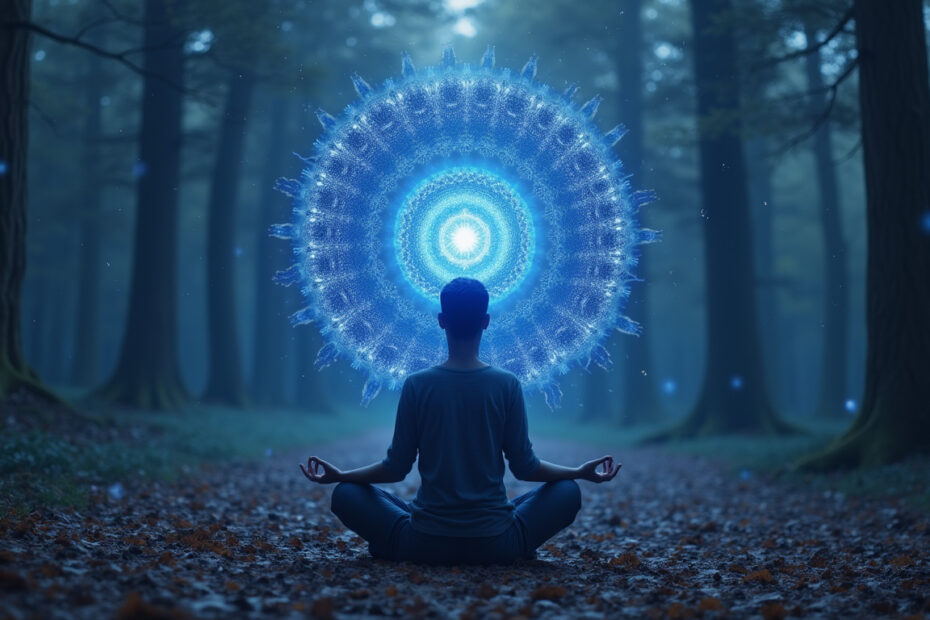
- Gently place your awareness on the space between your eyebrows, slightly above the midpoint.
- Don’t strain your eyes; just imagine a soft point of light there.
- As you inhale, silently think: “Breathing into my inner vision.”
- As you exhale, silently think: “Releasing tension and fear.”
- Continue for 10–20 minutes, a few times per week.
You may feel warmth, tingling, pulsing, or nothing at all at first. The key is consistency, not intensity. Over time, this meditation refines your attention and gradually energizes the third eye.
2. Trataka (Candle Gazing)
Trataka is a traditional yogic technique that strengthens focus and stimulates the third eye region.
How to practice:
- Sit in a dark or dim room, one arm’s length from a candle flame at eye level.
- Keep your spine straight and relax your shoulders.
- Gaze gently at the tip of the flame without blinking as long as is comfortable.
- When your eyes water or feel strained, close them and visualize the flame at your third eye.
- Hold the inner image as clearly as possible until it fades.
- Repeat for 5–10 minutes.
This technique trains your “inner screen” to become clearer and more stable, which is essential for third eye activation.
3. Breathwork for the Third Eye (Nadi Shodhana)
Alternate nostril breathing, or Nadi Shodhana, balances the left and right energy channels leading into the Ajna chakra. It calms the mind and prepares the third eye to open more smoothly.
Basic steps:
- Sit upright and relax your body.
- Using your right hand:
- Place the index and middle fingers lightly on your forehead between the eyebrows.
- Use your thumb to close the right nostril and your ring finger to close the left nostril.
- Close the right nostril, inhale slowly through the left.
- Close both nostrils briefly, then open the right and exhale.
- Inhale through the right, close both, then exhale through the left.
This is one cycle. Practice 5–10 cycles, breathing calmly and steadily.
4. Visualization and Creative Work
The third eye thrives on imagery. Any practice that strengthens your capacity to see with your mind’s eye helps.
Try:
- Visualizing a deep indigo or violet light at your forehead during meditation
- Creating art directly from your imagination (drawing, painting, digital art)
- Guided visualizations that involve traveling through landscapes or meeting wise figures
- Writing down dreams and revisiting them, exploring symbols and emotions
The more easily you can hold inner imagery, the more receptive your third eye becomes.
Daily Habits That Quietly Support Third Eye Awakening
You don’t need to live like a monk to open your third eye. Small lifestyle choices can support the process day after day.
Helpful habits:
- Time in nature – Natural light patterns, fresh air, and grounding surfaces (earth, grass, sand) help regulate your nervous system.
- Reduced sensory overload – Too much screen time, social media, and multitasking make inner perception harder. Try daily screen breaks and intentional quiet time.
- Mindful consumption – Notice how news, entertainment, and conversations affect your state of mind. Choose more content that uplifts and clarifies, less that agitates or numbs.
- Gentle yoga or stretching – Poses like Child’s Pose, Downward Dog, and simple forward bends promote blood flow to the head and calm the nerves.
- Journaling after practice – Record impressions, images, insights, or synchronicities. This trains you to notice and integrate subtle shifts.
Over weeks and months, these choices create a subtle but powerful baseline for third eye development.
Warning Signs: When Third Eye Work Becomes Too Much
Even safe practices can feel intense if you push too hard or skip grounding. Watch for these red flags:
- Persistent headaches or pressure in the forehead
- Trouble sleeping, especially racing thoughts at night
- Emotional volatility, fear, or paranoia
- Feeling detached from reality or your body
- Obsession with spiritual experiences at the expense of daily responsibilities
If you notice these, slow down:
- Reduce or pause direct third eye practices for a while.
- Increase grounding: more time in nature, physical exercise, body-based activities.
- Focus on lower chakras (root and sacral) through hip-opening yoga, walking, or dancing.
- If anxiety or derealization persists, seek support from a qualified mental health professional; spiritual practice should complement, not replace, proper care.
A stable, integrated awakening is always better than a dramatic but destabilizing “experience.”
A Simple, Safe Third Eye Routine (15–30 Minutes)
To help you integrate everything, here’s a balanced mini-routine you can adapt:
-
2–3 minutes – Grounding
- Stand or sit and feel your feet on the floor.
- Take slow, deep breaths into your belly.
-
5 minutes – Nadi Shodhana (alternate nostril breathing)
- Calm your nervous system and prep the Ajna chakra.
-
10–15 minutes – Third eye meditation or candle gazing
- Choose one: focused awareness between the eyebrows, or Trataka with visualization.
-
3–5 minutes – Integration
- Place your hand on your heart and belly.
- Ask: “What did I feel or notice?”
- Jot down any sensations, images, or insights.
Do this 3–5 times per week. That level of consistency can produce powerful shifts over a few months, without the shock of sudden, forced awakening.
FAQ: Common Questions About the Third Eye
1. How do I know my third eye chakra is opening?
Signs your third eye chakra is opening include increased intuition, more vivid dreams, spontaneous visual imagery in meditation, a sense of “knowing” things without clear reasons, and gentle sensations—like warmth or tingling—at the center of your forehead. The key is that these changes come with greater clarity and presence, not confusion or fear.
2. Can third eye awakening be dangerous?
Third eye opening can feel destabilizing if you push too hard, ignore your emotional life, or use intense methods without grounding. People may experience anxiety, overstimulation, or disconnection from everyday life. To make third eye awakening safer, focus on gradual practice, emotional integration, and body-based grounding. If you have a history of mental health challenges, consult a professional before attempting advanced practices.
3. How long does it take to open the third eye?
There’s no fixed timeline for third eye activation. Some people notice subtle changes within weeks of consistent practice; deeper, stable awakening can take months or years. Rather than chasing a deadline, measure progress by your everyday life: Are you calmer, clearer, more intuitive, and more compassionate? That’s a far healthier sign of success than dramatic visions alone.
Step Into Clearer Vision—Gently and Intentionally
The third eye is not a party trick or a shortcut to escape reality. It’s a faculty of deeper seeing—of yourself, others, and life itself. When you approach it with respect, patience, and grounding, opening your third eye can bring profound benefits: stronger intuition, clearer decision-making, richer inner life, and a more direct relationship with your own truth.
You don’t have to retreat from modern life or adopt a rigid belief system to begin. Start with small, consistent steps: a few minutes of breathwork, a focused third eye meditation, a candle flame in a dark room, a journal waiting beside your pillow.
If you’re ready to cultivate this inner vision, commit to a simple daily or weekly routine for the next 30 days. Track how you feel, what you notice, and how your intuition responds. With patient practice, your third eye can open not with shock and chaos—but with clarity, steadiness, and a sense of coming home to yourself.